'I ended up in enemy territory': One Ukrainian woman's journey from Moscow to Carrigaline
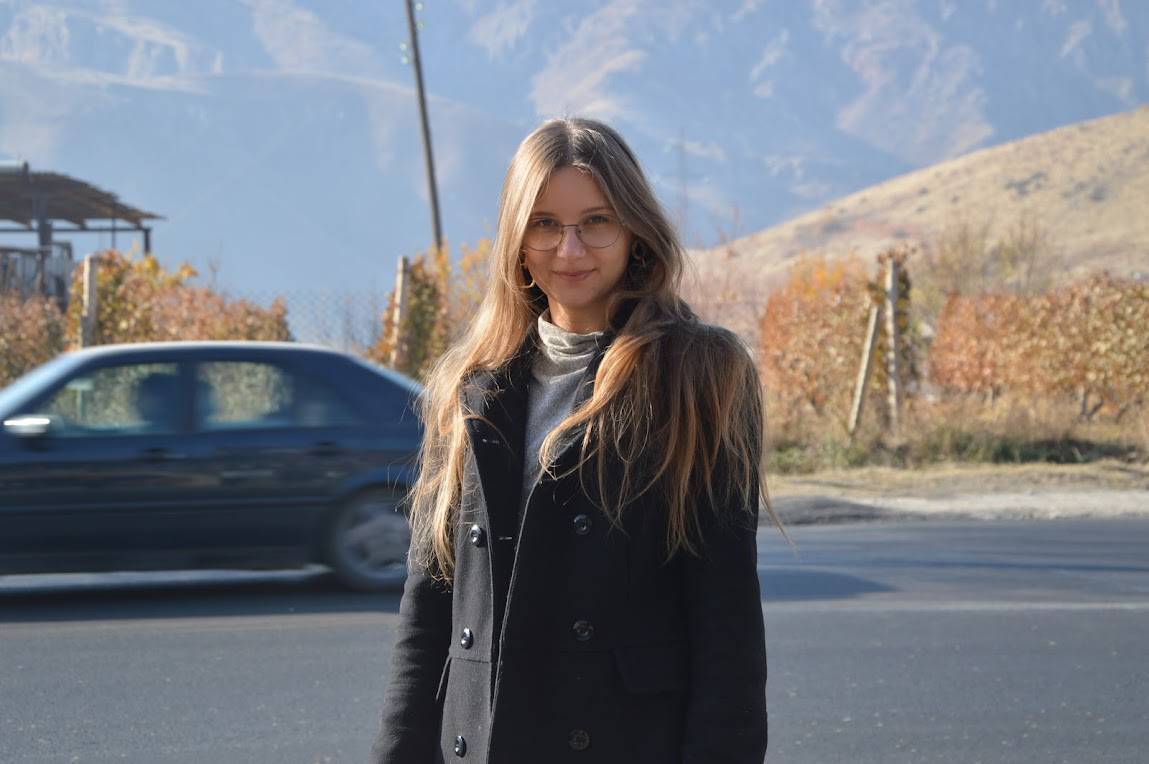
Maryna Kovalenko moved to Moscow for a higher education and was a second-year graduate student at a Russian university when the war started.
In the early morning of February 24, I was woken by my phone ringing.
“If we don’t answer the phone, don’t worry,” my father told me. “We may not have a connection.”
The Russians were bombing the military infrastructure all over Ukraine, and people were leaving the cities in panic.
I couldn’t believe what I was hearing. Despite numerous warnings from Western countries, it seemed that no one either in Ukraine or Russia seriously expected full-scale military action.
As it turned out, at first my parents also considered the news about the beginning of the war to be false, but then they themselves heard the sounds of distant explosions.
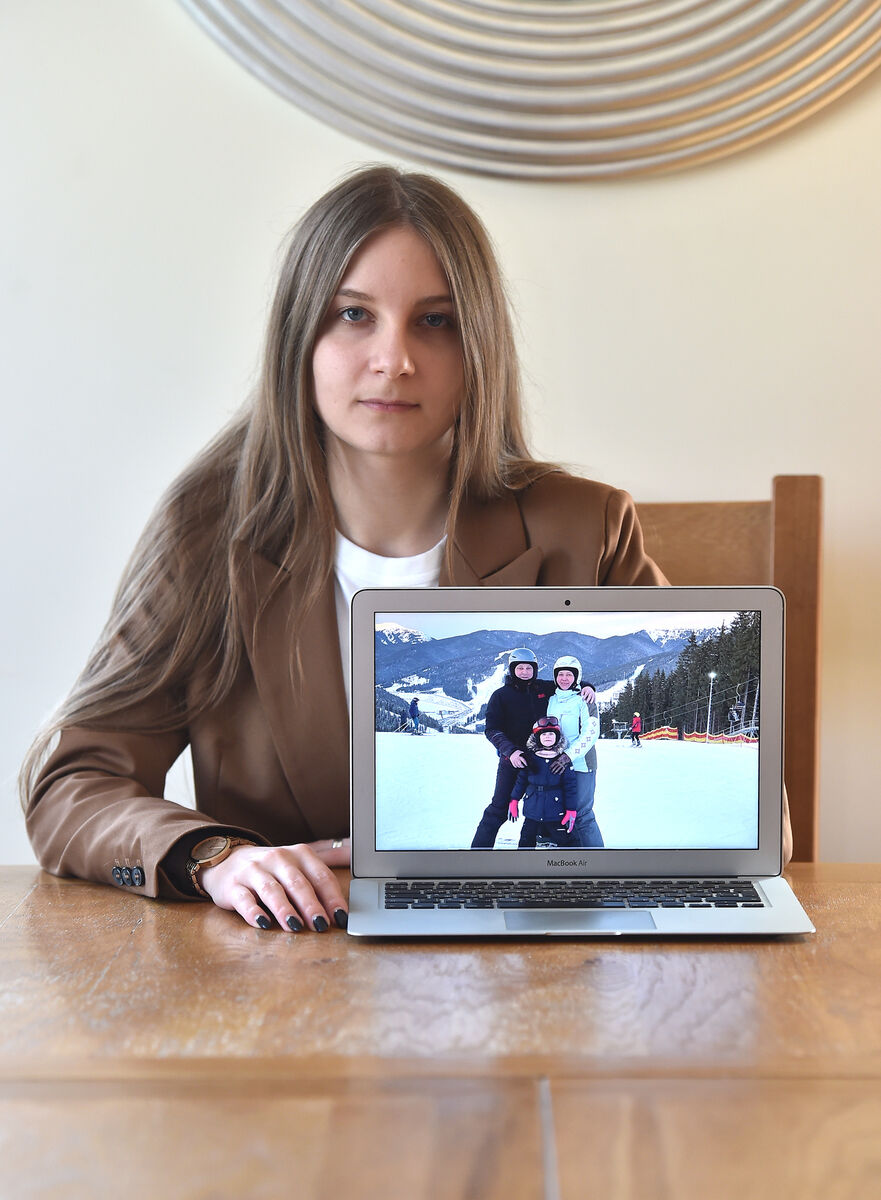
In addition to the war itself, it was a blow to me that I ended up far from my family, in enemy territory — in Russia. A few years ago, I went to Moscow to get a quality higher education.
Before the war, I was a second-year graduate student at a Russian university. I combined my studies with work as a correspondent for a business newspaper in Russia, covering international politics.
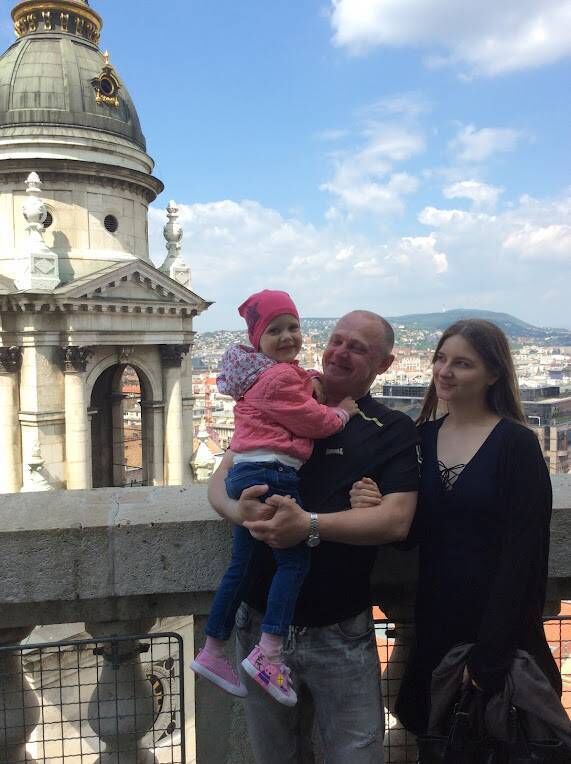
I am a Ukrainian, born and raised in the city of Chernihiv, located northeast of Kyiv and close to the Russian and the Belarusian borders. My parents and my six-year-old sister are still there, as well as many of my friends and relatives.
The last time I was in my hometown was in November 2021. Chernihiv had flourished: Over the past years, the municipal authorities have invested a lot of effort into its development.
They built a dozen new fountains, repaired roads, laid bike paths, planted trees and flowers in parks. Now, looking at the photos and videos from the destroyed Chernihiv, I hardly recognize my native districts and streets.
In the very first days of the war, I realised I had to leave Russia. I had expected that the Russians would take to the streets en masse to protest, but the rallies were few in number.
Passers-by on the streets of Moscow smiled and enjoyed a peaceful life. Fireworks were set off in some areas of the Russian capital during the war, while in Ukraine people were dying. All this became for me a living nightmare.
Free journalism in Russia was barely surviving before; the war has become a new excuse for the Kremlin to implement military censorship.
The Russian authorities have massively shut down the remaining independent media, banned calling the conflict a “war” and introduced criminal penalties for “fake news” about military actions in Ukraine.
Some journalists I know began to receive direct and indirect warnings that the Russian officials were unhappy with their statements on social media.
Later, Russian human rights organisations (such as OVD-Info) began to reveal the facts of the persecution of Ukrainians.
They began to report that Russian border guards were detaining Ukrainians trying to leave the country at the border; they were interrogated, forced to unblock their mobile phones, so that Russians could read their messages.
They have also written that Russian security forces were calling to the houses of Ukrainians living in Moscow. They inspected the dwellings, demanding to search mobile phones and asked Ukrainians if they had any extremist literature.
I flew away from Moscow on March 7, wiping my phone in advance.
At passport control at the airport, Russian border guards took me away for additional checks, they removed my passport and didn’t give it back until departure. Fortunately, they let me out of the country, without checking my phone.
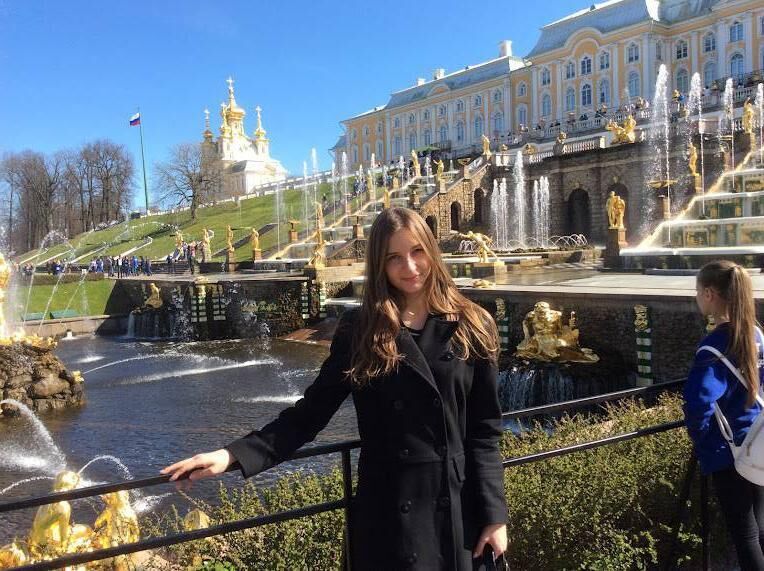
My first destination was Kazakhstan, where I was sheltered for a few days by my friends. They also helped me buy a ticket to Ireland. As a result, I flew a very difficult route — from the Kazakh city of Almaty through Turkish Istanbul to Dublin.
I chose Ireland as my final destination because it is an English-speaking country friendly to Ukraine. I realised that since I speak English fluently, it would be easier for me to adapt and find a job in Ireland.
Once here, I was struck by how friendly and sympathetic the Irish are to the Ukrainians and how closely they follow Ukrainian politics.
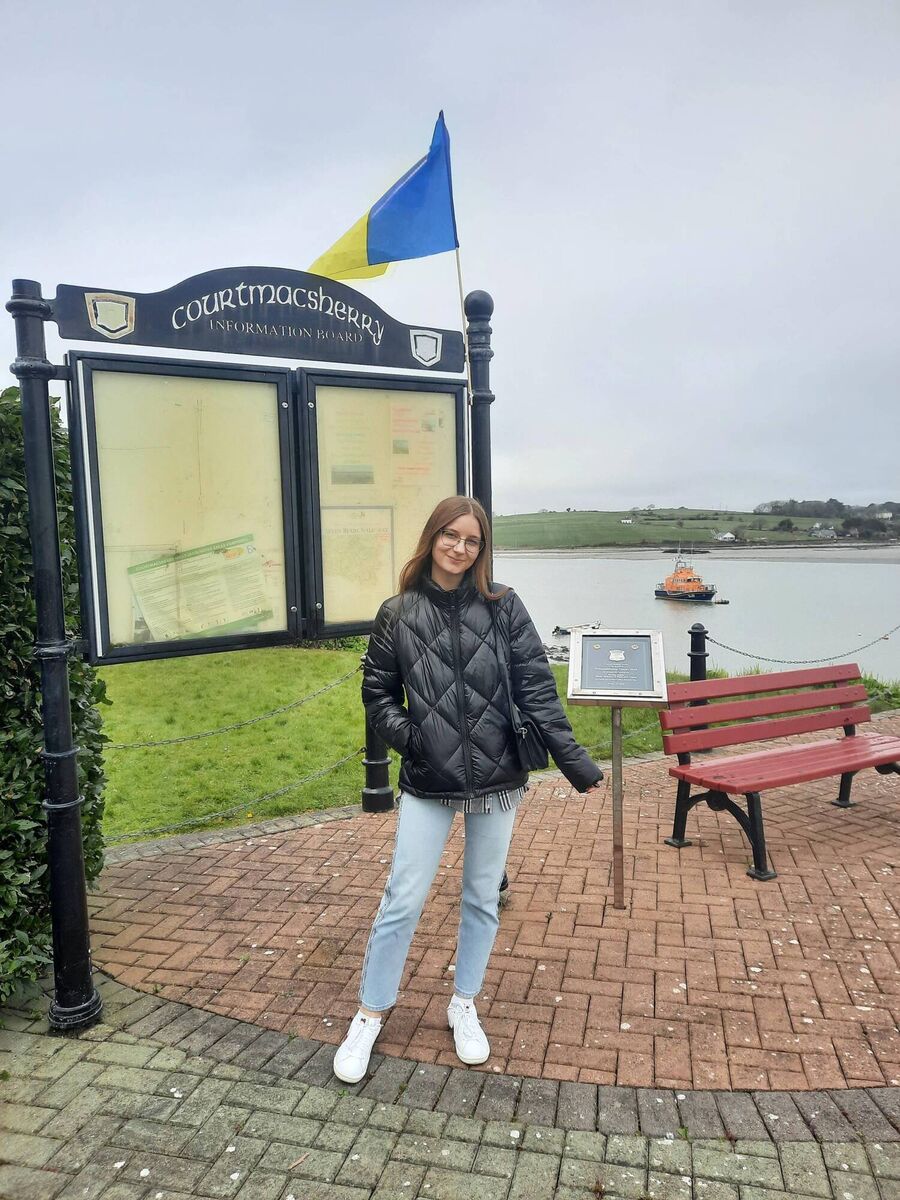
I have managed to see a little bit of Cork, where I now live, in Carrigaline. Ukrainian flags are flying everywhere here, on the main streets of almost any town you can find announcements about raising funds for humanitarian aid for Ukrainians; all of this is inspiring.
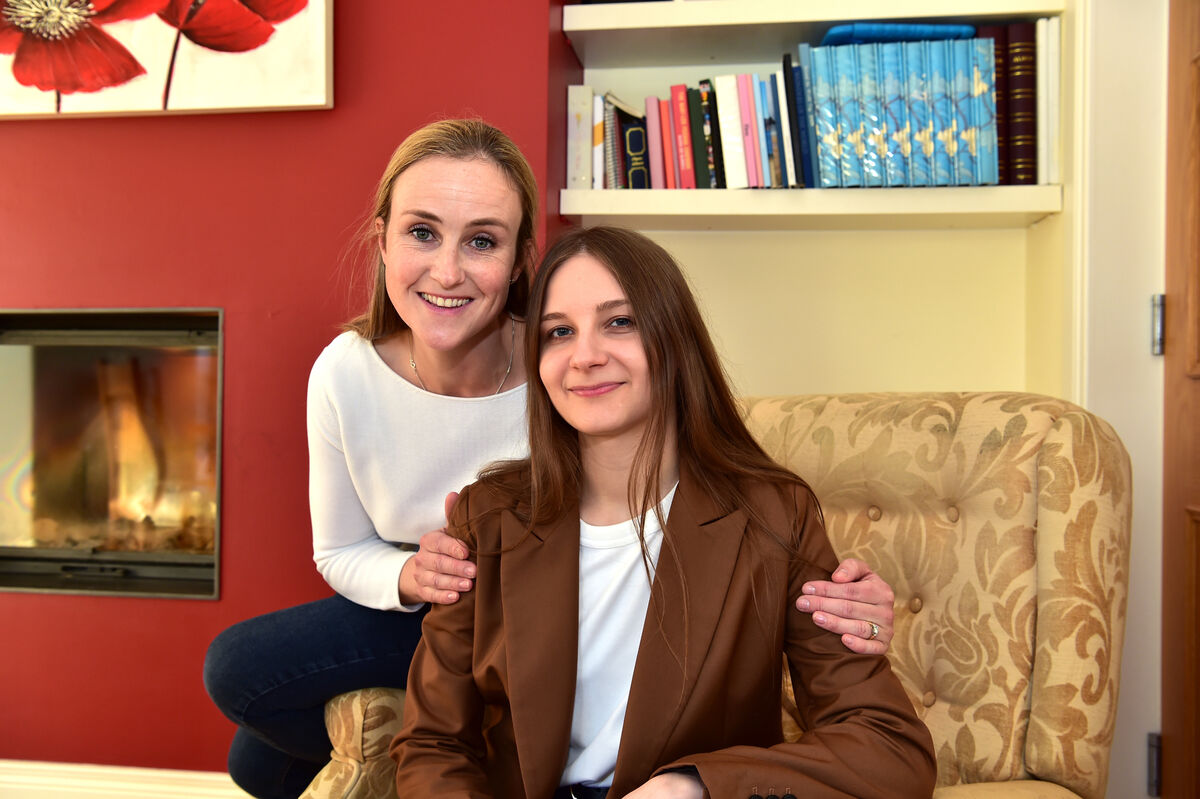
Currently my family remains in Chernihiv. They made a conscious decision not to evacuate the city, where there are many wounded and the elderly who cannot leave need help.
Before the war, my father was a lawyer, but when the war broke out, he volunteered to defend the city.
Together with my uncle, they patrol the city every day and provide various assistance to the local residents.
In contrast my Ukrainian born relatives who have settled in Russia openly support the war, and even gloatingly had the audacity to ask my father how his head had not been blown off.
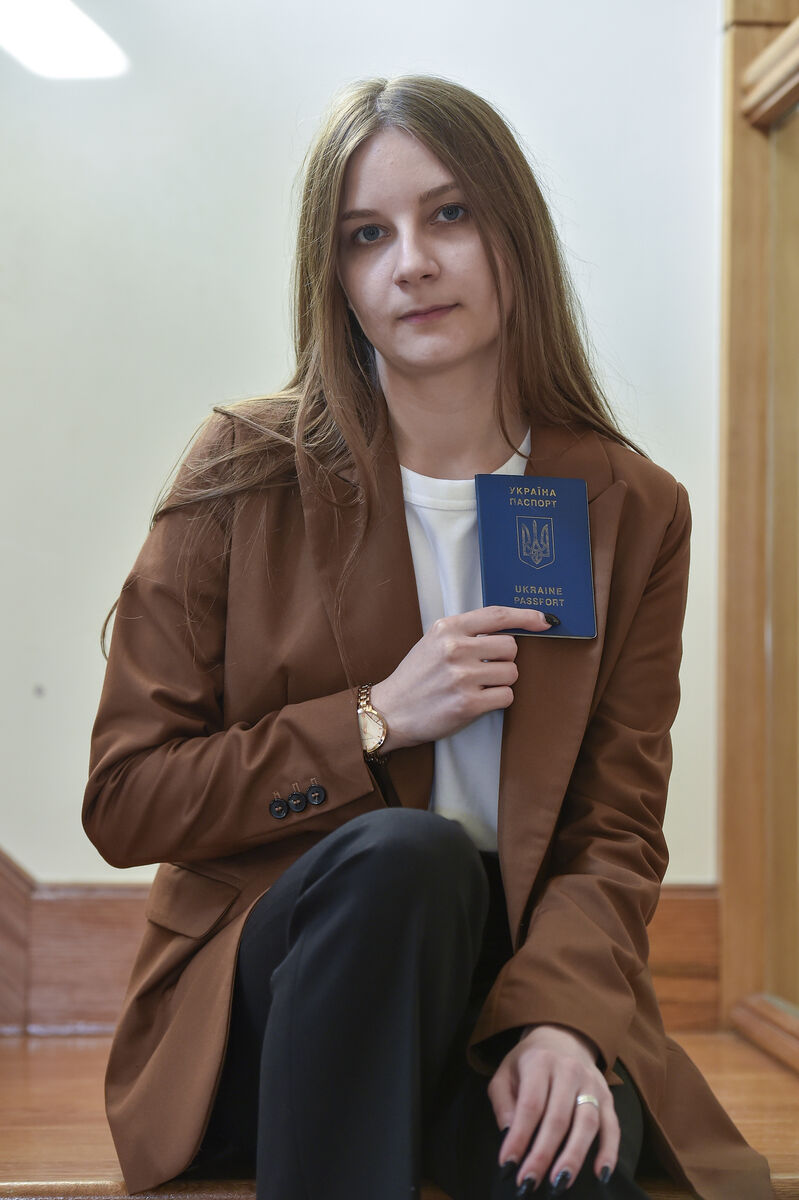
Meanwhile, the situation in the city is getting more and more difficult. The other day I called my mother. “We are alive. Everything is on fire,” she sobbed into the phone, explaining that buildings were burning throughout the city.
According to her, people are leaving Chernihiv en masse. Some go to the villages, some to Kyiv — and further to the West.
In the apartment block where my parents live, they are the last remaining family. As they left, neighbours gave them their remaining food.
They were also given a parrot, which made my sister very happy. My mother also feeds stray dogs left by their owners.
In general, the humanitarian situation is getting worse. There is no power and almost no heat, the city is running out of drinkable water.
My parents have a gas boiler installed in their apartment, which allows them to stay warm as well as to cook food, but many are not so fortunate.
City services pump out water using generators and deliver it to local residents and critical infrastructure facilities. Older people wander around with three-litre bottles that they struggle to carry.
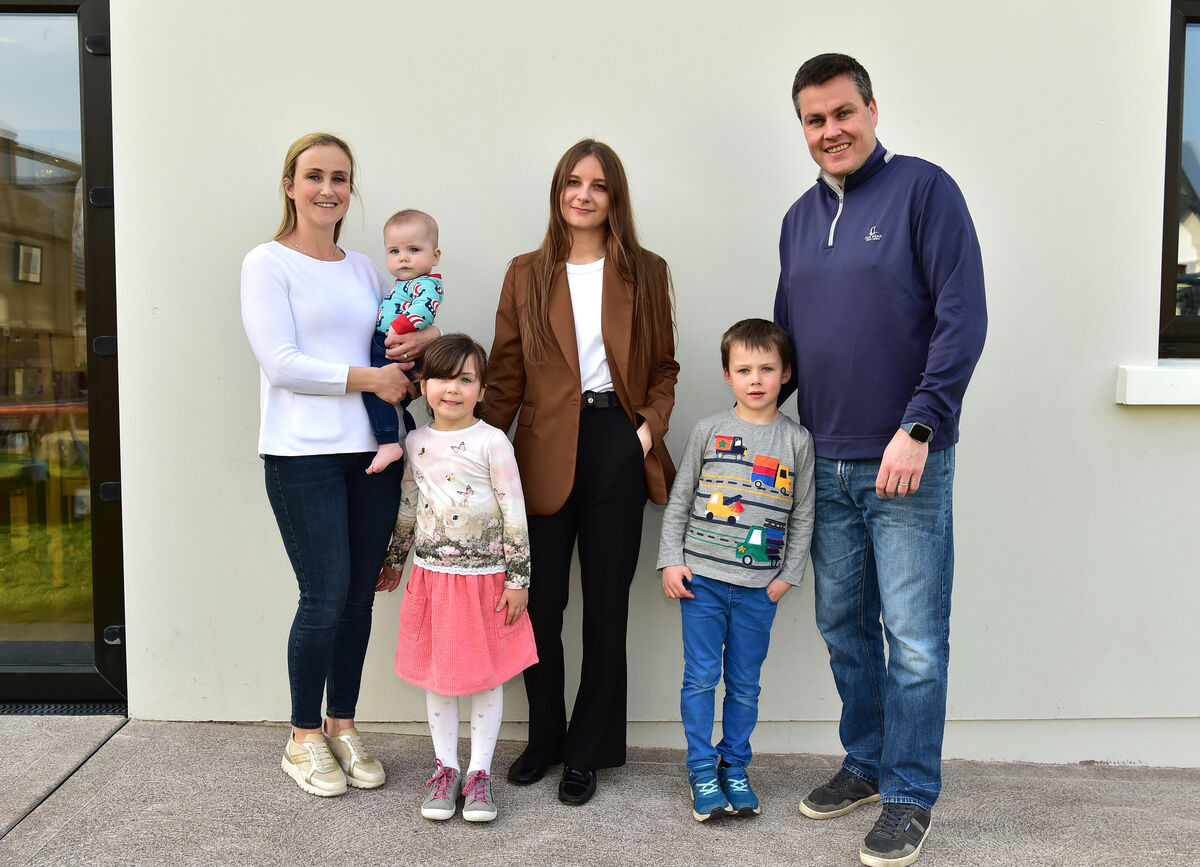
Some people have settled in the school right next to our apartment, because there is a large bomb shelter. They cut whatever wood they can find and throw it on the fire to keep warm and cook food.
Initially people stood in lines for bread, they stood for four hours. But after Russians opened fire on those queues, everyone is now afraid to do so.
My family, like many Ukrainians, is doing everything possible to end the war. Looking forward, my future is filled with uncertainty.
Just over a month ago, I could not even imagine that I would come to Ireland. I had a job, a stable life and ambitious plans for the future. I had almost finished my studies, all I needed is to write my master’s thesis to get the master’s degree.
For now, I have decided that I will try to continue to work as a journalist, reporting on events in Ukraine and other parts of the world, despite the many difficulties of this profession. I am convinced that now objective journalism is in demand more than ever.

CONNECT WITH US TODAY



Be the first to know the latest news and updates