International Women's Day asks how we can break the bias women face every day
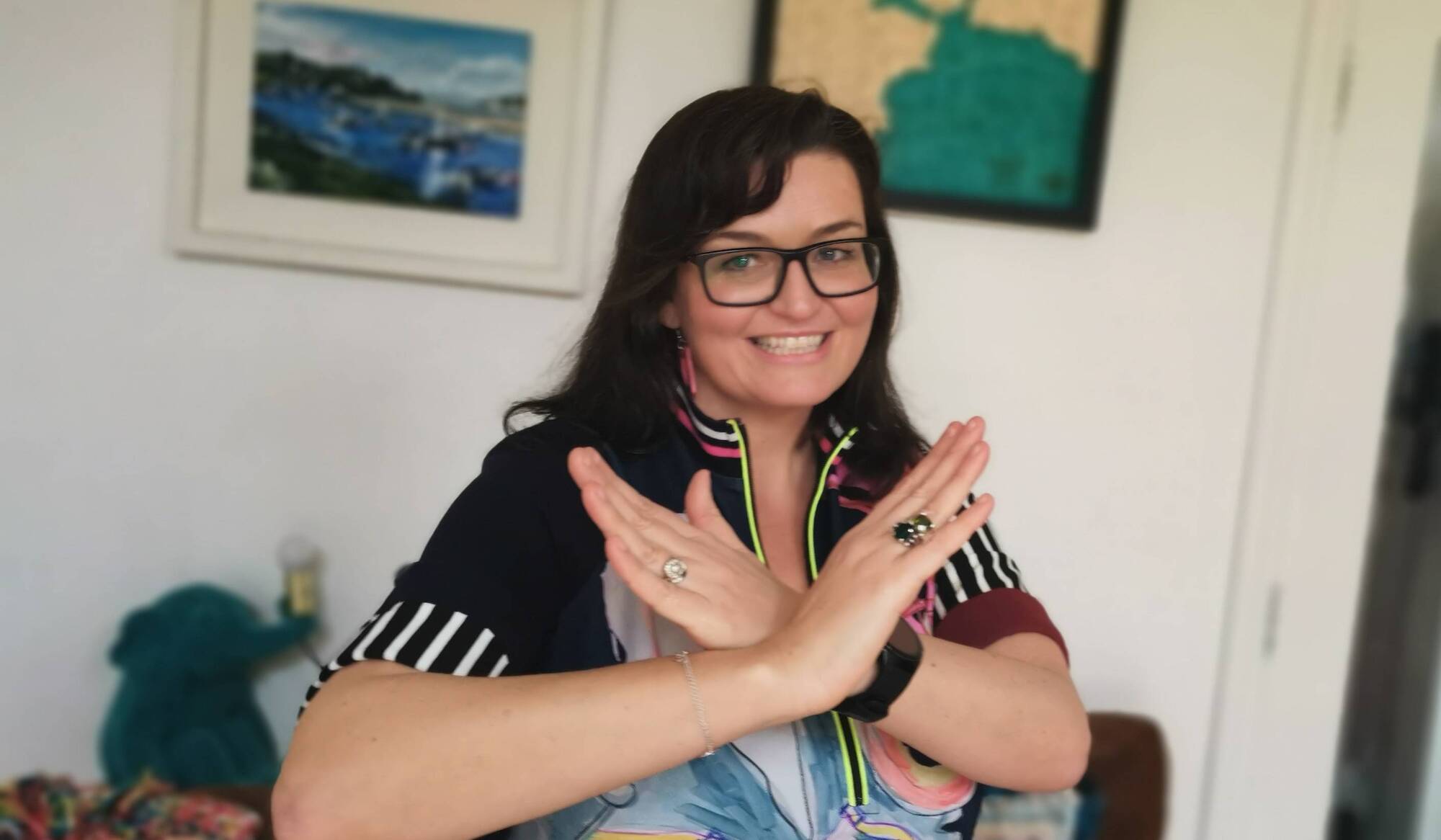
Esther McCarthy will host The Irish Examiner's International Women's Day 2022 event on Tuesday March 8.

We need International Women's Day more than ever. As well as the daily battles for gender equality in every community across the world, we're seeing the giant, terrifying issues around biases towards women and girls.
Ireland doesn't feel like a safe place to be female, as we witnessed the Ashling Murphy killing prompting the outpouring of stories from women across every section of society: we are targets, we don't feel safe, we want things to change.
In Ukraine, as well as the atrocities of a war waged by Putin, The International Rescue Committee (IRC) has warned that of the over 1.5 million refugees that have fled the country, the vast majority are women and children at grave risk of violence, exploitation and abuse.
Imagine being a pregnant woman fleeing your home, everything you know. It's estimated that 80,000 women will give birth in the next three months in Ukraine. Lani Fortier, Director of Delivery in Emergencies at the IRC, says that many of them without access to critical maternal health care if the crisis continues to shut down essential services.
But this day is a celebration too, a chance to come together and shine a spotlight on the wins as well as the areas where we need more change. By coming together to talk about bias, we can come up with ways to break those barriers - or at least figure out a starting point.
I asked our panellists for the Irish Examiner's IWD 2022 event what this year's theme of Breaking the Bias means to them.
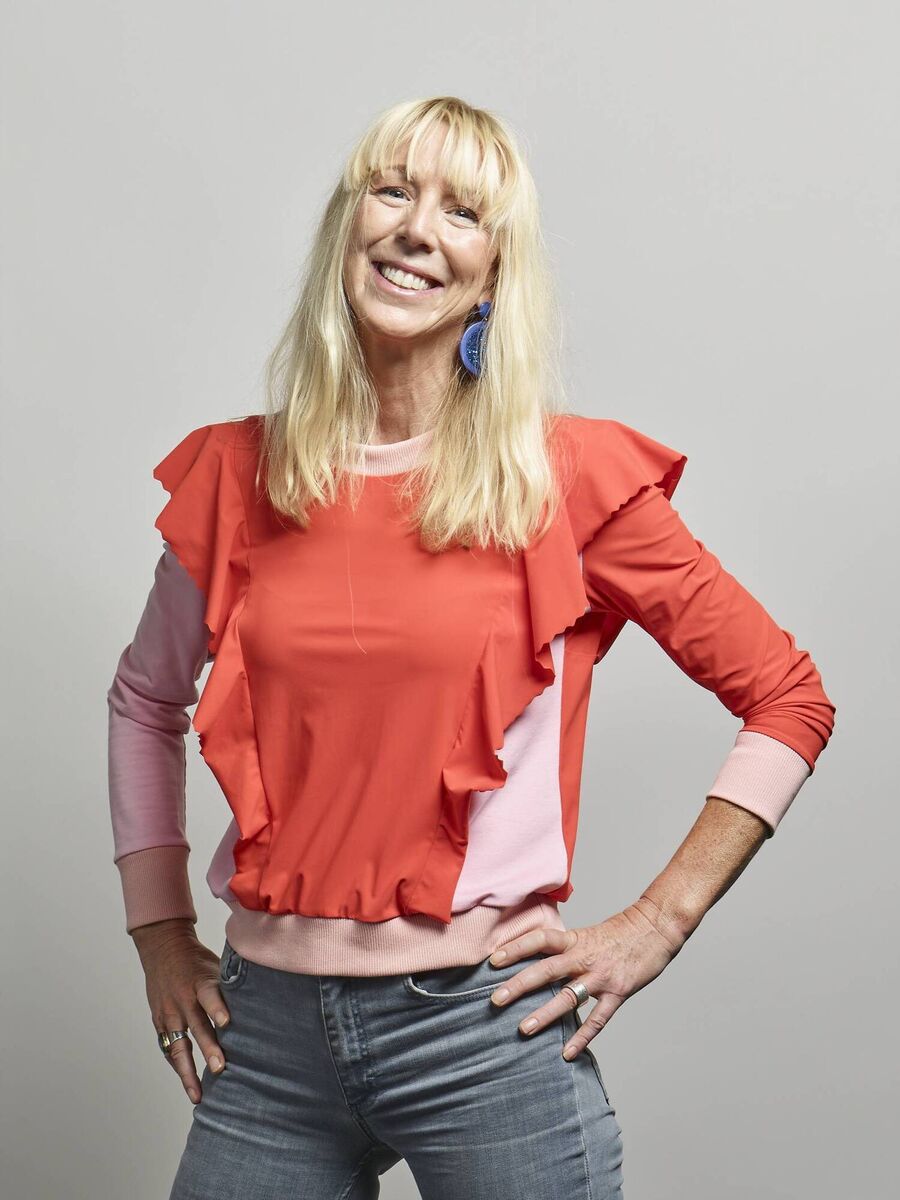
"This year’s International Women’s Day theme sends an important message and frankly, I can’t believe that we are in 2022 and we are still fighting for it. If we are ever going to achieve true equality across every societal, cultural and business area, then we need to break all of the biases which have become standard practice. The ‘bias’ for me is going beyond prejudice and whilst that might seem obvious, we are fighting against prejudices so ingrained that most of us don’t even know they are there.
"For me, breaking the bias extends beyond a singular gender barrier to the multi-faceted reality which is often overlooked - such as disability. We cannot have a hierarchy of inclusion or a siloed approach. Inclusion has to be for all or not at all. Inclusion cannot be pick ‘n’ mix.
Women with disabilities are disproportionately affected by cultural “norms” we adhere to. When we speak about breaking bias, we cannot have a singular approach. It must be intersectional. This is complex, no doubt, but it is the reality if we want to see real change. Progress is being made but I, like so many, am concerned about an approach to inclusion based on scarcity which is part of perpetuating societal inclusion. The gender pay gap is essential, but all pay gaps are. We cannot have one compete against the other. We are looking for true equity and equality. The bias that we need to break is having a dumbed-down and singular approach to diversity and inclusion, removing a singular emphasis of identity to a multi-identity. Each bias needs breaking. Who are we designing products and services for in this digital age? It is hard to imagine in the FTSE 100, a third of the websites are inaccessible.
"What we face in the radical evolution of inclusion, is trying to balance a unique and individual value with a collective dignity and respect. The uncomfortable truth is we are all biased, dependent on our circumstances and environment. To believe otherwise, is to be foolish. What we need to do is own that bias, not accept it, be willing to have uncomfortable conversations, learn, be wrong, grow, evolve and make space for every mistake that we and others make to be an opportunity to learn."
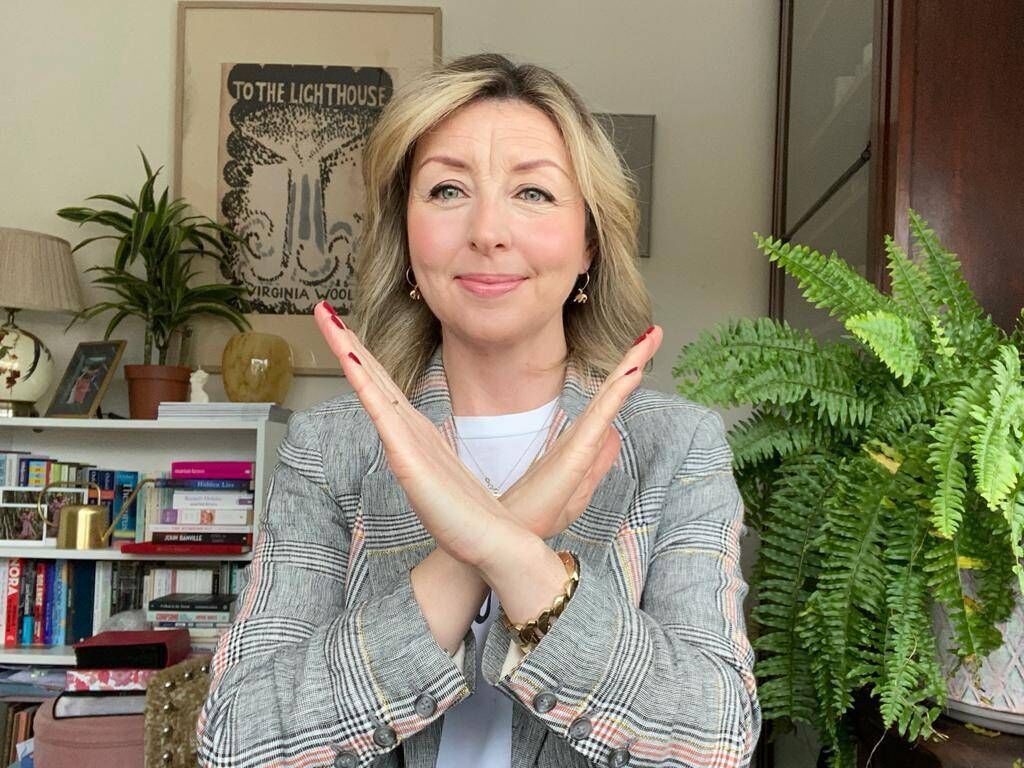
"As this year’s International Women’s Day approaches, the theme of Breaking The Bias means seeing each other as equals. That might sound like a simple task in this day and age but clearly, it’s not as easy as we think.
"Saying we see each other as equals and actually seeing each other as equals are different things. Words are different to actions. Seeing each other as equals in practice would mean having equal pay for all; seeing it in practice would mean having meaningful childcare solutions for families so women’s careers would not be negatively impacted by having children; seeing it in practice would mean seeing representative numbers of women in positions of power across industry and politics; seeing it in practice would mean an end to violence.
"Thankfully our biases are more challenged than ever. We are constantly being re-educated and we have more and more systems in place to try to correct our biases, unconscious and conscious.
"On a personal, local level, I think talking to people, and getting to know them, is the best way to break down our biases. How many times have you been surprised by someone after you’ve spent some time getting to know them? How many times have your preconceptions changed?
"We are all different – that’s part of the joy of being human - but as human beings, we should also all be equal. It’s easy to find common ground when we see each other as human, and recognising each other as equal can only improve life for everyone."
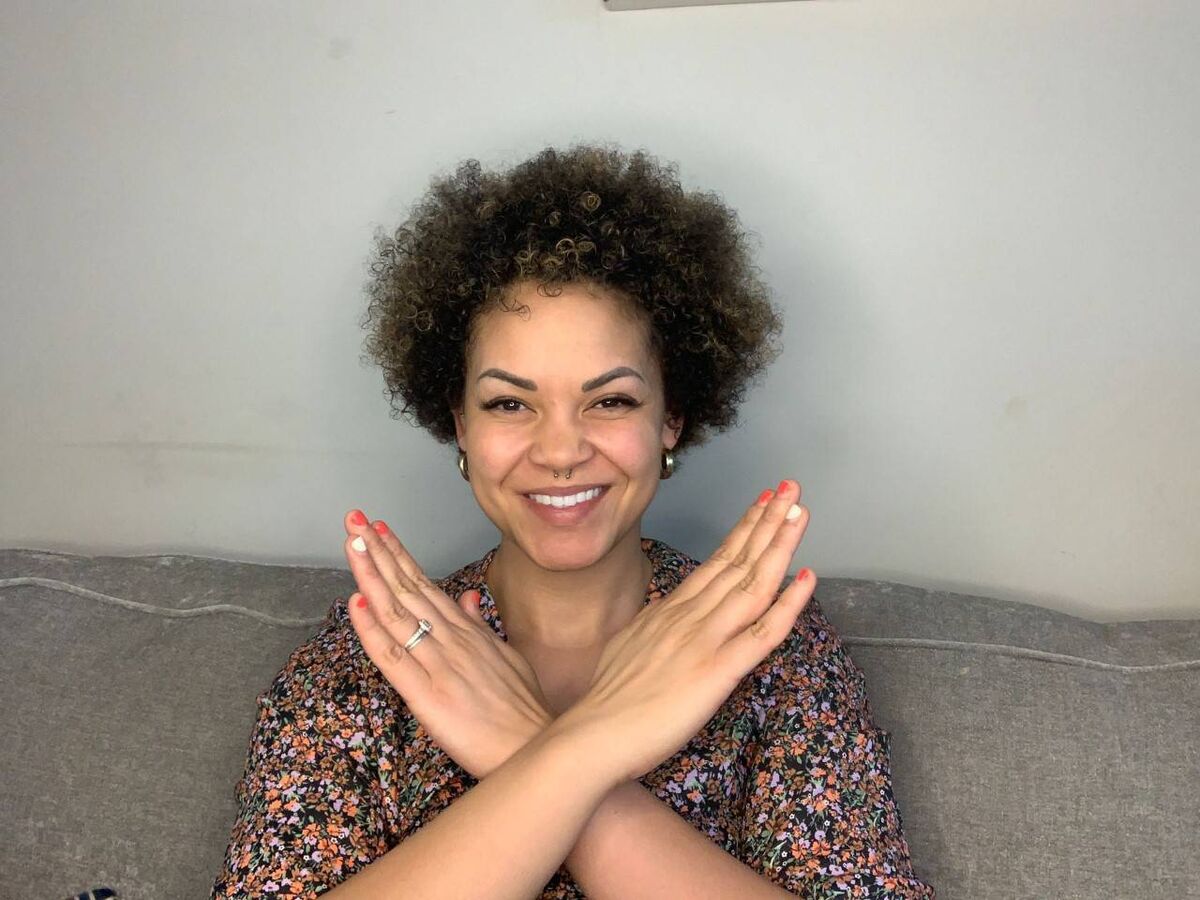
"On a great day like IWD it makes me remember all of the amazing women that have gone before us to pave the way for us in so many ways. We as women have been breaking boundaries and bias for many years from being made to wear skirts playing sports to fighting for equal rights and pay in workplaces.
"The world is changing every day and it takes for strong people to make a stand and fight for change in the face of inequality. If it was easy everyone would do it but we all reap the positives from those that have and still continue to pave the way for greatness in what can sometimes be considered a man’s world. I believe that we as women should hold each other up, continue to fix each other’s crowns and support and celebrate each other."
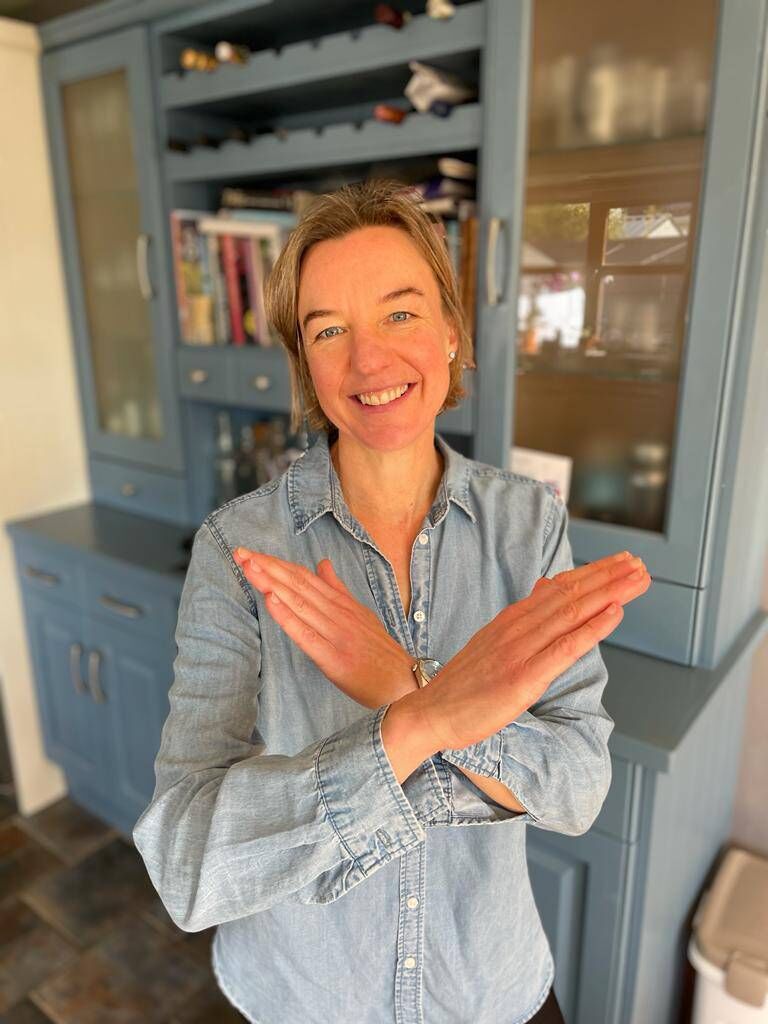
"As someone who has advised world leaders, governments and civil society organisations on climate change, environmental policy and development assistance, I see the biases that can affect us, from the top down.
"The fact is, when women aren't given access to full human rights, when they aren't provided with the basic things like health care and education, then extreme events, global crises like pandemics or climate catastrophes can have a huge impact. These women aren't economically independent, therefore they're much more exposed. There's a huge bias there. We need to acknowledge and tackle that."
- You can watch The Irish Examiner's Internation Women's Day event at www.irishexaminer.com
CONNECT WITH US TODAY



Be the first to know the latest news and updates