Secret Teacher: I hope sharing Cork docks history will create a connection
I’m not going to discuss unions and strikes and Covid this week. As we say in Cork, my head’s wrecked from it. Like everyone, I think I’m starting to feel the negativity in the arguments. The best thing for me and maybe for a lot of us, is to keep our gaze as small as possible, keep to the local, and I suppose, to what we can control.
This doesn’t mean denial; it can mean the opposite.
Recently, I’ve started thinking about the importance of listening to one another’s stories during Covid. The pandemic is affecting us all but we’re not all in it together in the same way. Some of us have too little time alone, some of us have far too much. We should hear the details of one another’s lives without judgement. Without competition. Then, maybe, we can each heal a little. We must remember that our pain is relative, but it’s also valid. This is not indulgence. Individual stories allow us access to a bigger picture in a much more empathetic way – if we want them to.
I think this is true in education also – when it comes to history and identity and ethics. Recently, I’ve become much more interested in local history as a way of accessing a more global understanding of what it is to be human. I want to reflect this in my teaching more than ever.
We exist in a network of stories, a rich tapestry of different experiences and ideas. We really need to listen to one another, not to jump on each other. Our schools and our teaching should give time to these stories. We need to avoid the points race towards the finish line. My three kids in primary seem to do more of this but I worry that we move too quickly in secondary. We don’t see it in the curriculum enough, but local culture and its role in creating identity, can end up being truly embracing of everyone.
At least, that’s how I’m starting to see it.
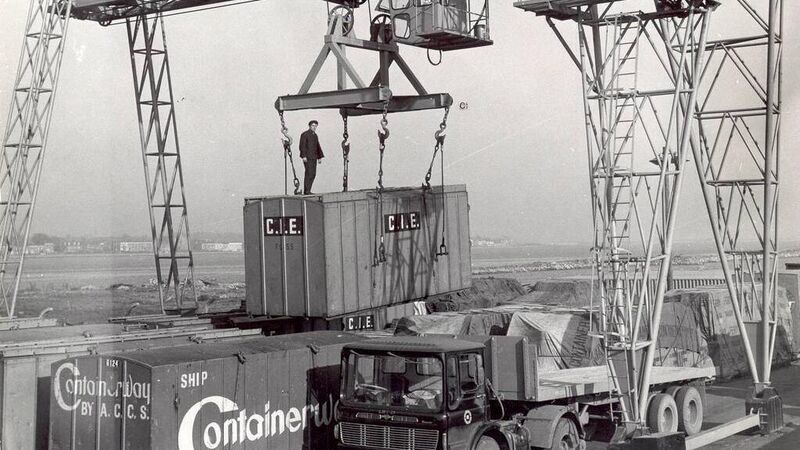
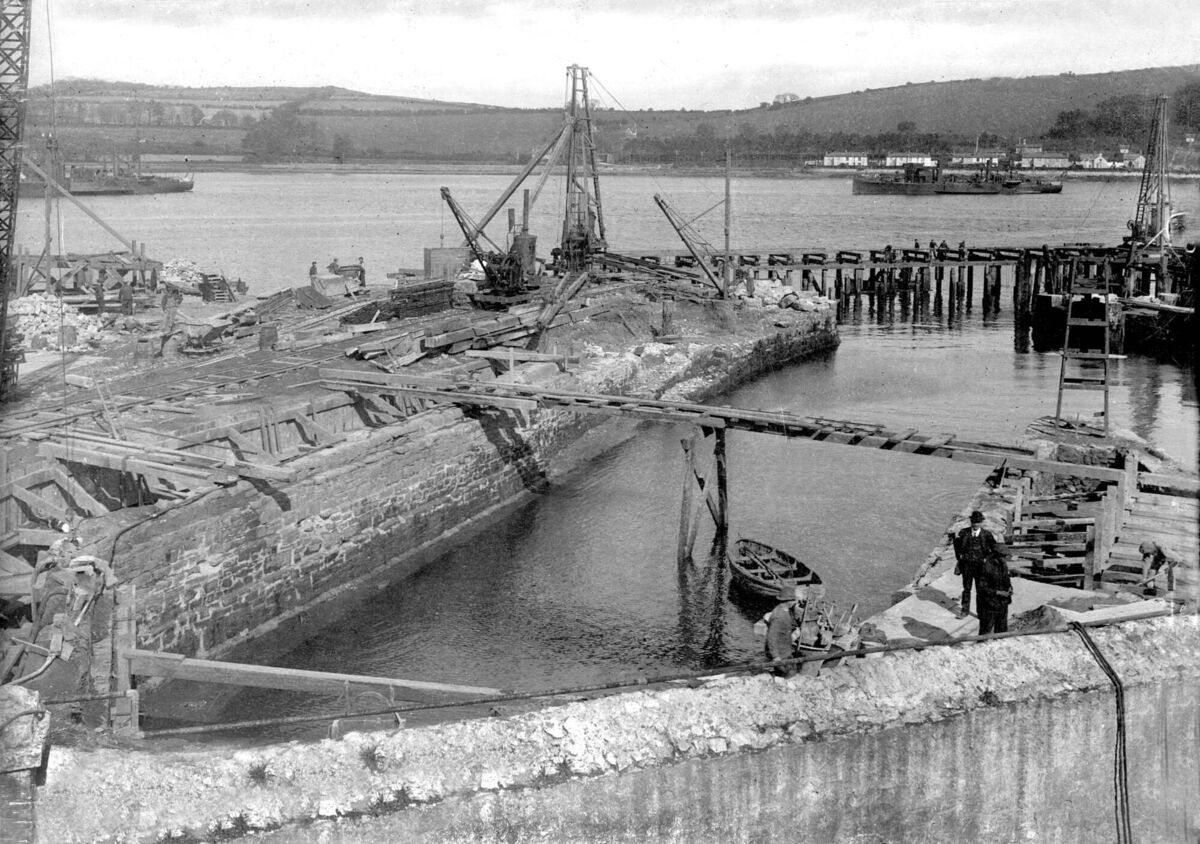
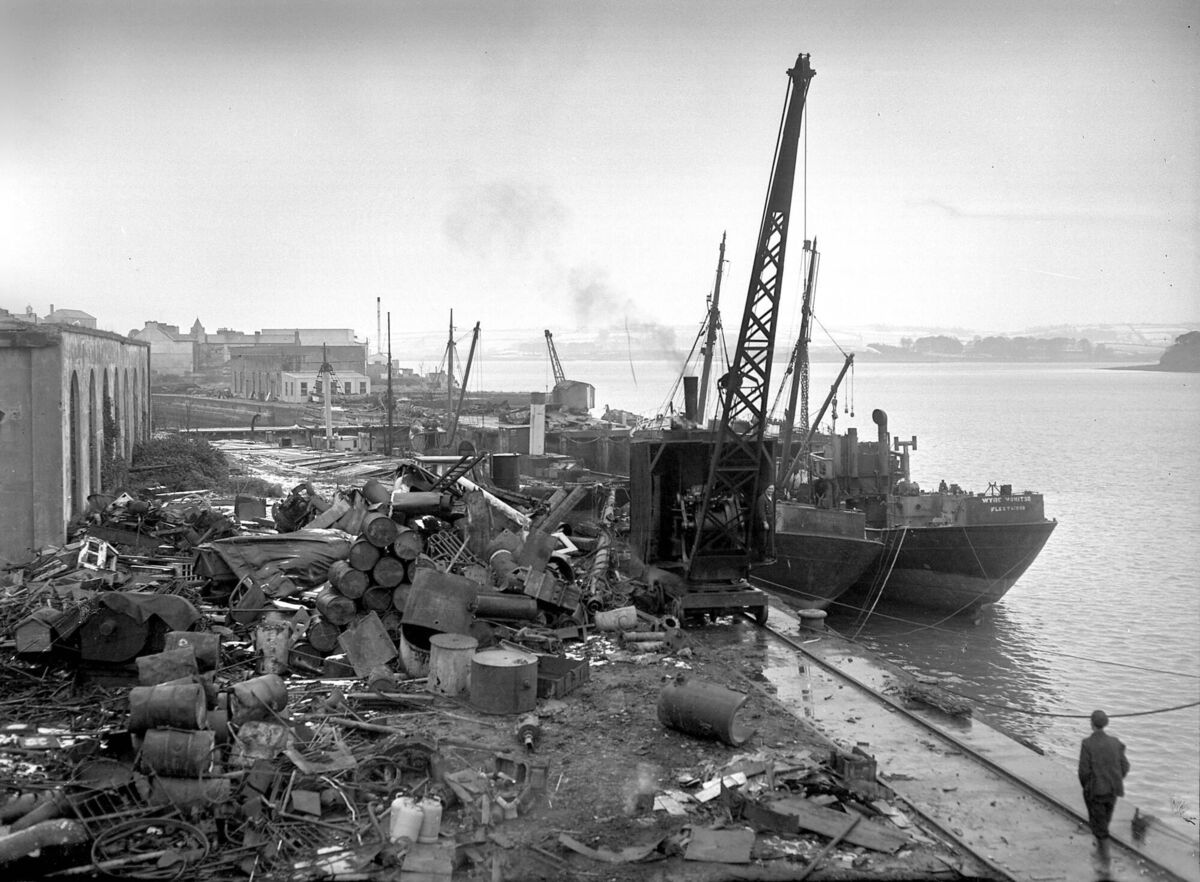
I’ve been working on a project about the port of Cork, driven by my own family connections to the place. I chatted to someone lately who worked there from the 50s. He told me about the lives of the dockers on the quays – how they’d sing songs in the old pubs at 7am and head to find work at 8, shoveling coal and salt and phosphate rock. He described the cattle being driven by drovers to the same ferries that carried the emigrating Irish across to England. He recalled a vibrant working port, lined with factories, pumping like hearts along our docks.
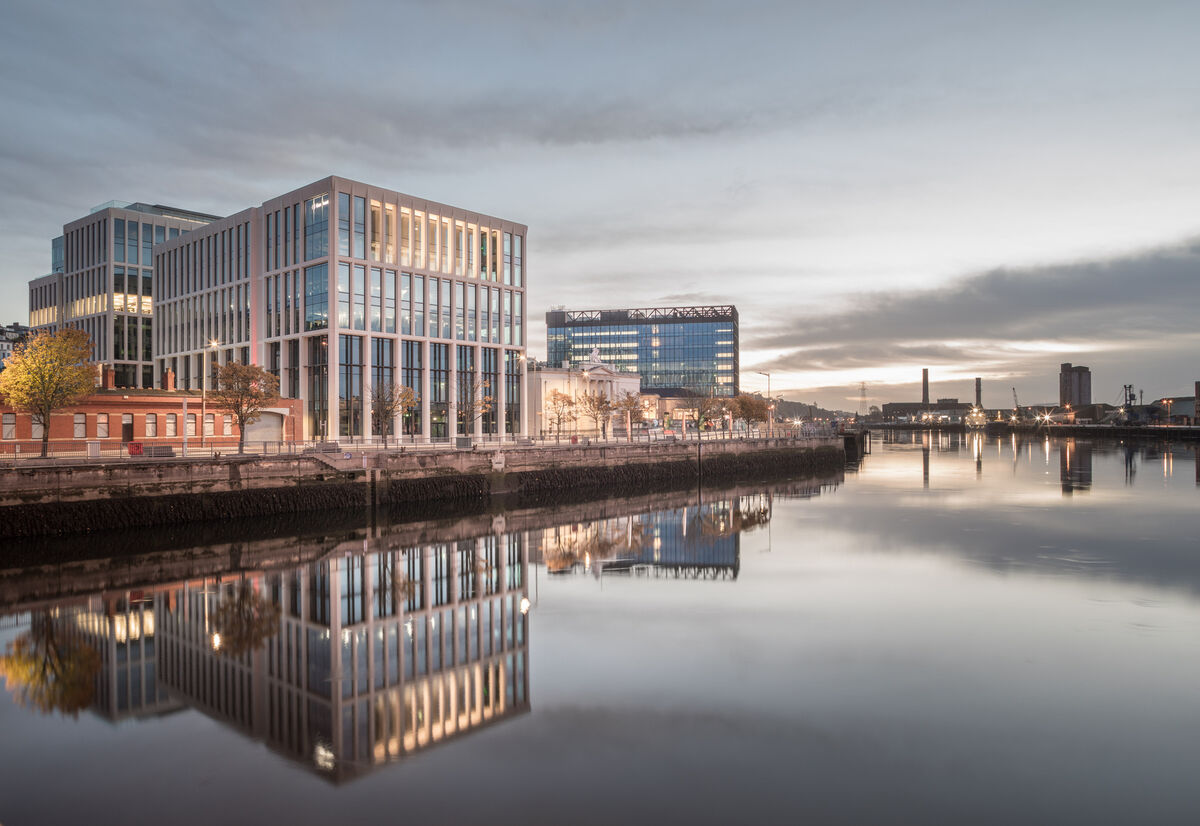
I pass there every morning now and it’s entirely silent. The seagulls swirl unnoticed. They’ve been granted the freedom of the city. The only noise is traffic. The beautiful glass offices reflect the dark water and the clouds and a new city of cafes, restaurants, and high-rises.
This week, I’m going to bring my tutor group to the docks with a colleague. I’m going to ask them to imagine the horses carrying their loads to stores on Patrick Street, the bustling market, and the calls of the wonderful Echo boys in the rain. I’m going to ask them to listen.
How will this connect to the global? Well, I’m blessed to have children from all over the world in my group and I know that it will be relevant to them. It’s about Cork but it’s about everywhere else too. They’ll hear about the docks and in their own way, they’ll make a connection to their own heritage. A thread will be drawn between this small spot on the globe, Cork City, and where they or their parents have come from.
I’m confident about this because of my time teaching in Abu Dhabi. Initially, I struggled to make any sense of the place. But behind the glamour and glitz of the five-star hotels, I learned about their old traditions of fishing and pearl diving. And I felt a tug of connection. Their old boats, the weathered faces of their seafaring men, brought me home again. The rituals of Islam reminded me of those of Catholicism. Through local stories, I came to understand something deeper. It felt both global and personal. Human, I suppose.
I worry that we’re becoming far too isolated and individual in our thinking now. We’re sitting silently in our own stories without seeing connections. We find it difficult to listen to one another without thinking about ourselves first, and what we might feel or believe. I know I’m guilty of this too. The media doesn’t help, the sensationalism, the spin.
So, this week, I’m going on my own sort of strike, only it won’t be hitting the headlines. I’m slowing the pace in my class for a while, just to listen. Once I’ve shared my initial story of the Cork docks, I’m going to ask my students to share their own. Maybe I’ll ask them to tell me about a significant place for them. We’ll hear stories from around the world and we’ll make connections together.
Outside school, I’m going to listen too: to doctors I know, teachers, relatives, people on their own, people with small kids, people out of work, people with too much work. And in those stories, I’ll find meaning, and a way of dealing with this strange and difficult time.


CONNECT WITH US TODAY



Be the first to know the latest news and updates