Happy days: The memory of good days can get us through the tough times

Close-up top view of man holding photograph of himself and his son fishing over wooden desk
Coming into the summer of 2019, my husband and I couldn’t decide whether we’d visit his family in the US. We’d been just the year before – could we really justify making a transatlantic trip so soon again?
In the end we went for it, and how glad we were when Covid-19 locked up all possibilities this year of an American holiday. Hemmed in by restrictions, we lived off happy memories of long summer days on Lake Michigan. It made me realise the power of memories to sustain and brighten life when things are tough.
A particular childhood memory has been coming into Dr Sinead Beirne’s mind a little more often since the pandemic emerged – of her dad, whose hobby was to play music in pubs on weekend nights.
“Then I’d hear his car driving on the gravel and I’d know he was home. There was that comfort of knowing he was home and safe – that sense of security,” says the GP and Virgin Media’s Doctor in the House.

Living in Dublin, Dr Sinead can’t see her Cavan-based parents as much as she’d like during this Covid era, and this memory – which she says is very precious – has reminded her of her childhood and the importance of parents. “It’s a very comforting thing to see your parents. I realise how lucky I am that they’re alive.”
Having a bank of happy memories contributes to our wellbeing, says Shane O’Mara, Professor of Experimental Brain Research at TCD. And recalling and discussing happy events in the company of others is especially useful for changing moods for the better – which is good to know in these challenging times.
What Professor O’Mara calls ‘transactional’ memories are very common in relationships, where people recall things they did together. “They often do it around planning for the future. Memory isn’t there just to recall the past but also to respond to the present and future. And the maximum benefit is when you exercise it with another person – it gives you fortitude for the future.”

And that’s not to say that recalling happy memories when you’re alone won’t do you good too. The key, says Professor O’Mara, is in how you respond to the memory – for example, if you feel grateful to have had the happy experience. “You have to think of the meaning of the memory for you and the reward that you got from that experience, so that you want to do it again in the future.”
Tina Kellegher plays Ger Lynch in RTE’s Fair City. “I wasn’t long on the gig when it all shut down in March,” says Tina, who got some cheery mileage out of recalling good times on set. “I just had time to settle down in the job. I think of sitting on set or in the canteen and laughing with Neili Conroy [who plays Anto’s wife, Sharon] and Rebecca Grimes who plays Hayley, having a good old cackle with them.”
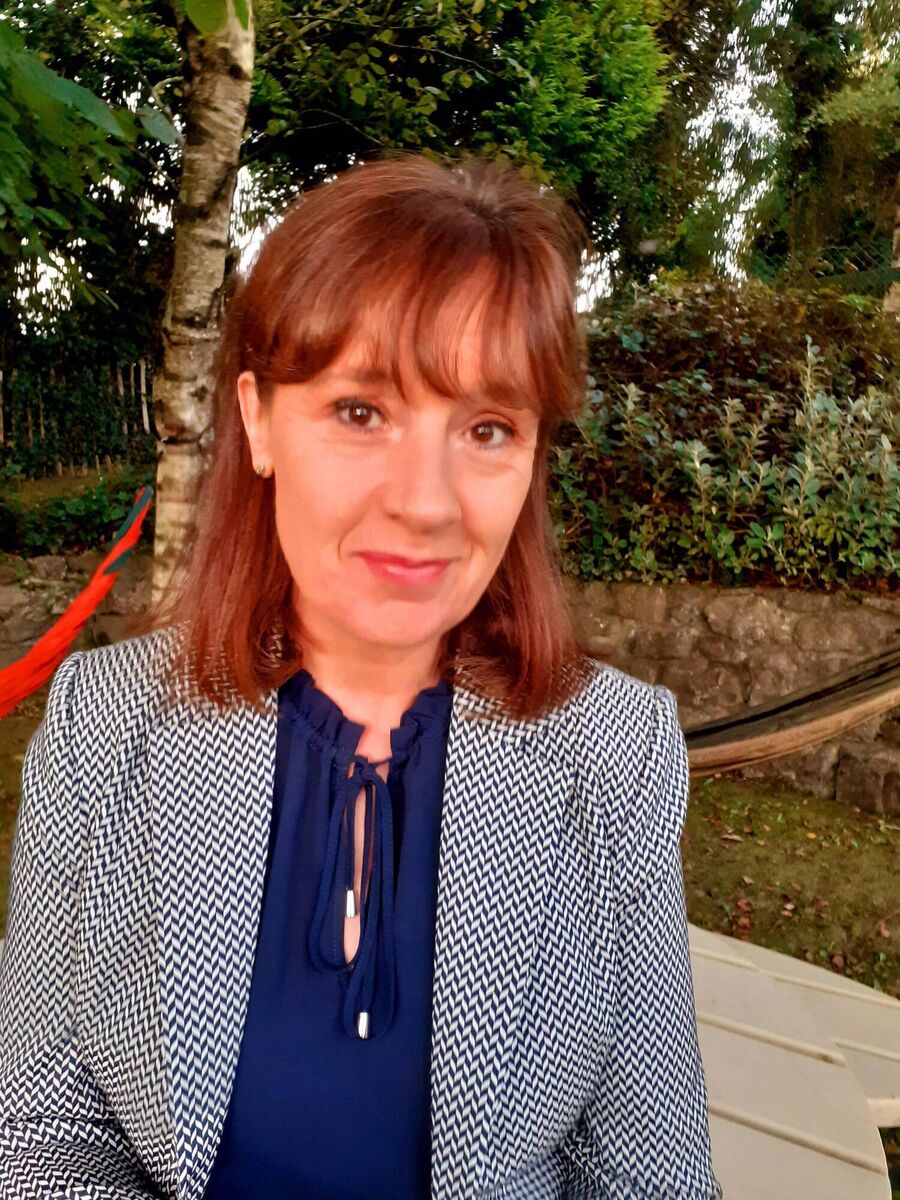
For Tina – who starred in hit 1993 comedy The Snapper – the slowed-down pace of life in lockdown coupled with the fine weather was enriched by a childhood memory that became very vivid this spring. “I was brought back to a beautiful summer in the 1970s. Growing up just at the edge of Cavan, we had a long garden out back. I was about nine and a bit of a tomboy and I palled around a lot with my brother, Colm, because we were close in age. We’d be out playing all the time – games of imagination, cowboys and Indians, rounders, football. My mother was a great cook and you’d come in to great food.
“That beautiful hot summer of innocent play came back when we couldn’t go racing here, there and everywhere this year. We were enjoying the good weather and not coming in ‘til we were starving, and that memory came back,” says Tina, who lives in Mullingar with husband Gordon Wycherley and their sons, Brian and Michael, aged 12 and 16 respectively.
Singer/songwriter John Spillane enjoyed the break that lockdown provided. But a memory – also from the 1970s, also from when he was nine – surfaced at the end of the summer, largely because of a post-lockdown visit to Whiddy Island, home-place of his grandmother, Christina Minihane.
“I spent all my school holidays on my uncle’s farm in Bantry. The summer I was nine, my grandmother was dying in Skibbereen Hospital – she’d been there quite a while. We were milking the cows one lovely summer evening and I was sent to the farmhouse to get something.
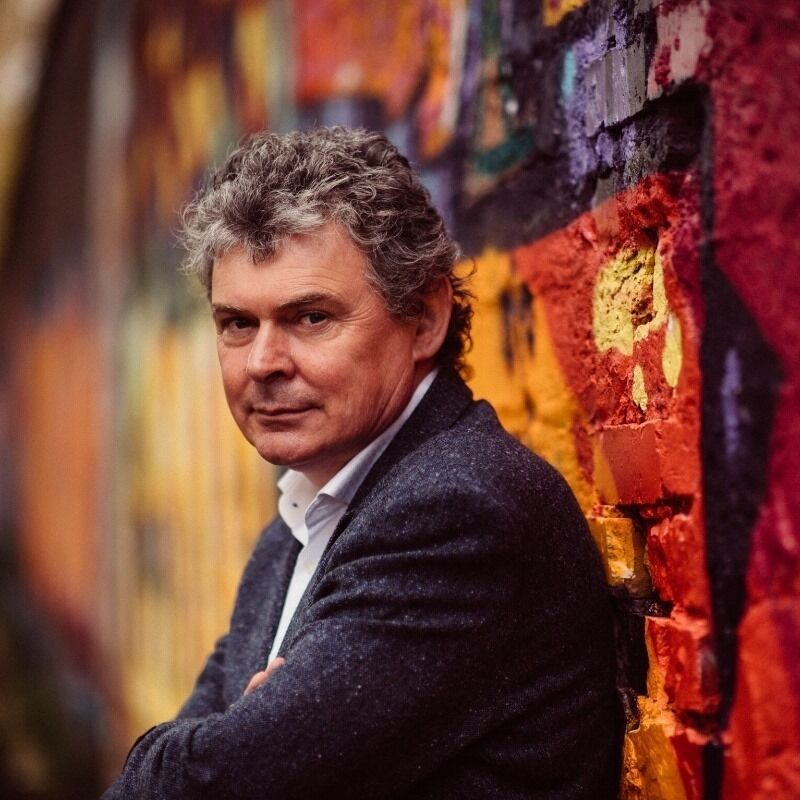
“I found a bird flying around the kitchen. When I tried to shoo it out, it knocked a cup off the dresser and it broke on the concrete kitchen floor. I thought ‘oh no, I’ll get into big trouble, they’ll never believe it was a bird’. But when I told them a bird in the house broke a cup, my aunt said ‘Jesus, Mary and Joseph, she’s gone!’ And with that, a car came up the boreen from the nearest phone box to say my grandmother had died.”
It’s a good memory, he says, that promotes a nice feeling. “We had a happy time down there during those summers,” he recalls.
Meik Wiking, author of The Little Book of Hygge: Danish Secrets to Happy Living and The Art of Making Memories: How to Create and Remember Happy Moments, says people who are able to retrieve happy memories and form a positive narrative about their past are on average happier.
“Just imagine, if you lost all your memories how lost you’d be. Your memories are what connect you with other people. It is our shared stories that glue us together,” says Wiking, who sees memory as like a muscle. “You’ve got to exercise it – if you think of happy memories you’re more likely to be able to remember them in the future.”
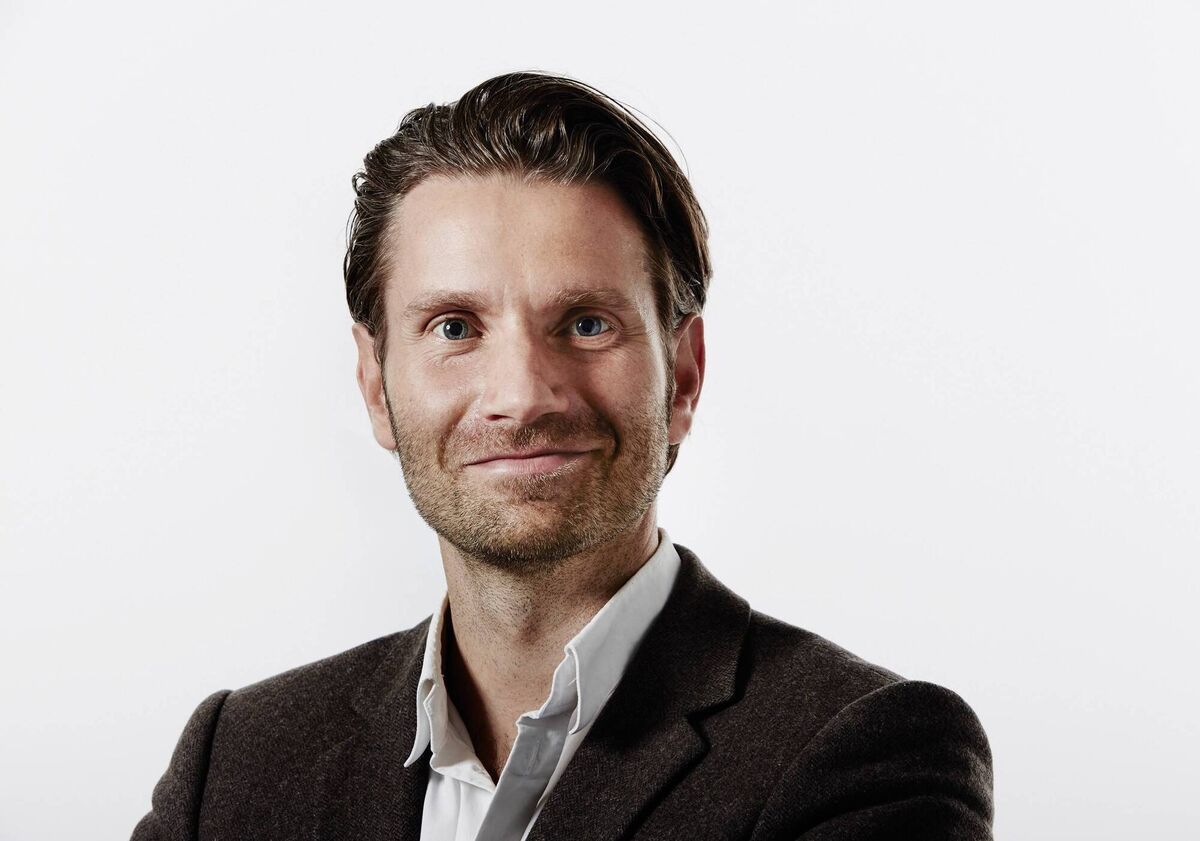
To help you retain memories of happy experiences, he suggests creating a treasure map of happy memories. Rename places based on your experience there – rather than using their real name. It’s a method that combines spatial orientation (which he says humans are particularly good at) with your experiences.
As an example, he says he goes every summer to the island of Bornholm, a beautiful rock island in the Baltic Sea. “I’ve a tiny cabin there and the areas around the cabin have been the scene of many fond memories. Many have to do with foraging. There’s the Wild Cherry Forest, Spearfishing Bay and the Raspberry Fortress. Raspberry Fortress is in fact called Lilleborg and consists of the ruins of a 12th century Viking keep. But ‘Lilleborg’ wouldn’t remind me of a wonderful afternoon eating raspberries – or where to get raspberries the following summer.”
Wiking believes looking back – revisiting our happy places, our happy times – enables us to plan for a better journey ahead and for happier days.


CONNECT WITH US TODAY



Be the first to know the latest news and updates