From organics to robotics, these families are farming for the future
Meet the farmers who are continuing a family tradition in innovative ways
From organics to robotics, these families are farming for the future

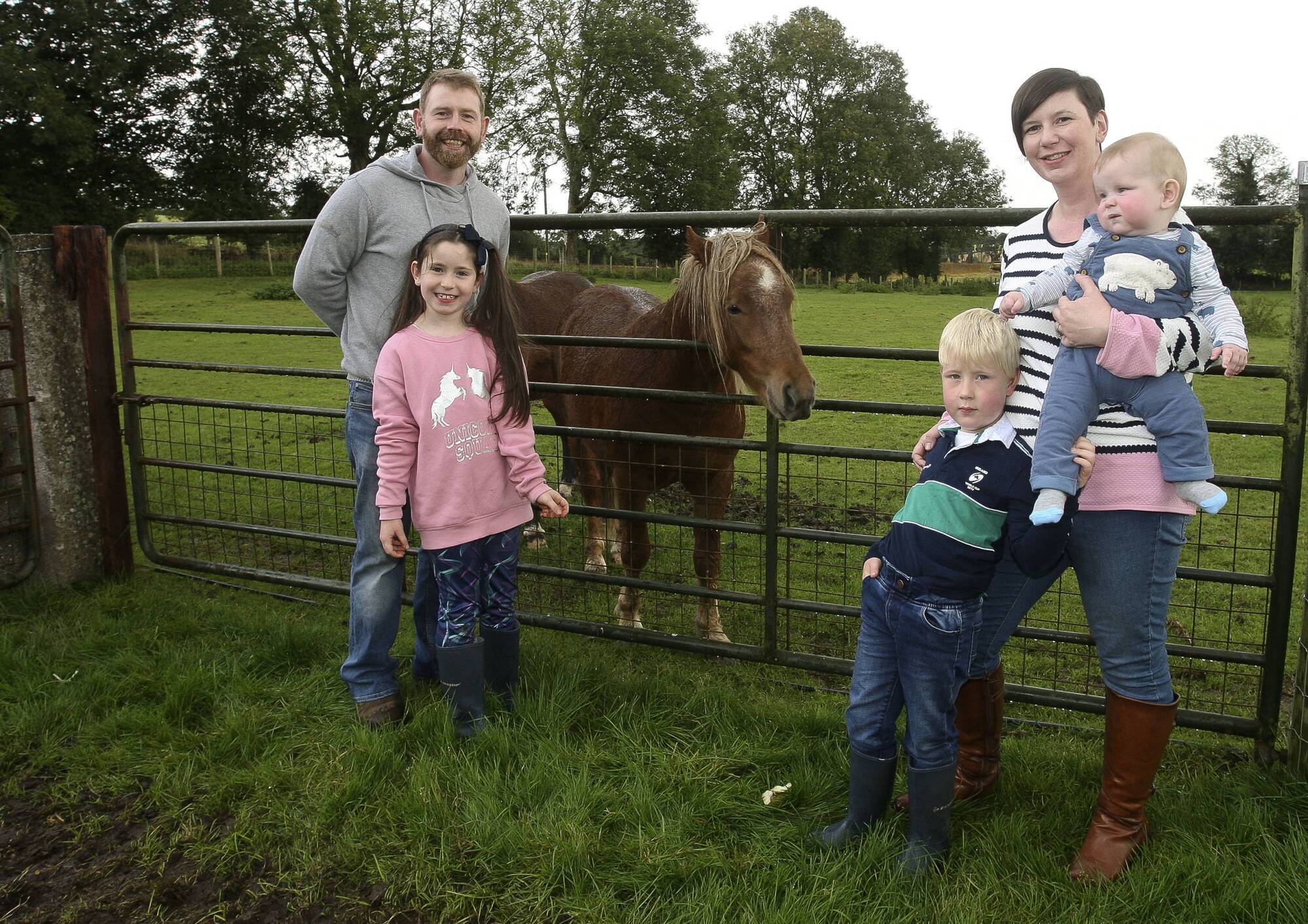
Edward, Erin, Finn, Sharon and Donnacha Hanbidge with their bog ponies, Englishtown, Kiltegan, Co Wicklow. Picture: Garry O'Neill.

Farming is in our blood — we have always been an agricultural nation, living off the land and rearing livestock. Of course, it hasn’t always been an easy way of life and there are still many challenges. Despite this, for many people, farming is something their families have always done, and they are continuing the tradition.

However, many modern farmers are using different methods and equipment to their ancestors and are updating their skills as part of a new generation of farming.


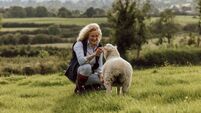
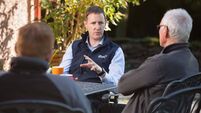
Edward Hanbridge is one such farmer. For as long as he can remember, his family has worked on the land and now he continues to work alongside his father and brother — but while the trio still keep cattle and sheep, he has branched out into organic farming.

“My grandfather bought our farm in 1952 and bought Keadeen mountain in 1954,” says the Wicklow man who is married to Sharon and has three children, Erin, Finn, and Donnacha. 

“We are cattle and sheep farmers and, a few years ago, I leased some ground off my father to do my own thing. A lot of the land I have is on the mountain, so I got Dexter cattle as it suits the terrain.

“Then, in 2015, I decided to go into organic farming as the payment scheme (for organic farming) was available at the time so it made sense to go for it.

“I also have some land on the home farm, and I started growing hemp on that, so now, everything I do is organic.” 

Being organic means not using regular fertiliser, which is not only costly, but is also a lot more laborious. But the father of three says it’s worthwhile.

“There is a lot more involved in organics,” he says. 

We can’t use regular fertiliser so instead use manure or seaweed and we also practice regenerative farming which involves moving stock frequently so we can look after the biological aspect of the soil.

“So there is a lot more to it but, unfortunately, while everyone likes the idea of organically produced food, they don’t want to pay for it. Perhaps they don’t realise the amount of work involved, the meal we use is three times the price of conventional and if we sell our organic lamb to most factories, they don’t give us any extra for it, so it can be difficult.” 

While there are undoubtedly many extra layers to organic farming, the fifth-generation farmer says there are benefits.

“Farming has changed a lot since my father’s time, the profits aren’t what they used to be and there is a lot of work involved,” he says. “But organics works for us because the hilly land is suitable for it and we are rearing high-quality produce, which we also sell in meat boxes, and are also processing the hemp to make oil, so this is another source of income.

“What we do is more than just a job, it’s a lifestyle. I’m my own boss, out in the fresh air, have no commute to worry about, I don’t answer to anyone and choose my own hours. Of course, some days I might be working for 14 hours, but I couldn’t ever see myself doing anything else.”

Eileen Clarke and family

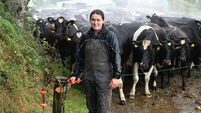
Eileen Clarke and her husband Paddy also practise organic farming but have started using robotics which puts a thoroughly modern spin on their day-to-day working life.

“I was born and reared on a farm and always had an interest in it,” says Eileen, who has two children, Jack and Patrick, and a third on the way.

“Paddy and I got married in 2015 and discussed different options for our future and decided that suckler and sheep weren’t giving us the return for our time investment.

“So after investigating various alternatives, we decided on dairying because I had a keen interest in the new technology and Paddy had a strong knowledge of animal husbandry.” 

The Longford pair decided to go down the route of robotic milking and put a plan in place to move with beef to dairy conversion.

“Our beef farm was under organic status, so we progressed to supplying Aurivo organic milk,” says Eileen. 

I became more involved, checking and maintaining the robots, grass measuring, and feeding and rearing calves.

“Then, we came to the conclusion that our farm was capable of milking 120+ cows, so we decided to expand to a two-robot unit which was installed in March 2020.” 

Part of the high-tech farming involves monitoring and inputting data and robot maintenance, as well as maintaining the correct management of grass and attending regular local Lely discussion groups to ensure everything is on track.

“To date, we have two Lely robots and a Lely Robotic Scrapper,” says Eileen. “All the information is on a computer programme called Time 4 Cows (T4C) which is available instantly and allows for proactive decision making. Each cow wears a collar with a responder unit that monitors movement, health, and activity.

“It allows the robot to identify each cow and there is built-in, long-distance heat detection. During pre-breeding season, I monitor the computer remotely and record heats daily. This allows us to see that all cows are cycling before breeding season commences and they are routed automatically to the separation area when they are in heat and held there for AI.

“The collars also monitor the cow’s movement and activity and over time build up a picture of its health, while milk temperature is also recorded. If a cow’s temperature or activity is out of the ordinary, she will appear on the Health Report and this allows you to flag potential problems before she gets too ill.” 

Doing a traditional job with modern conveniences is hugely rewarding, but the seasoned farmer would advise anyone who is thinking of going down the same route to get some advice before making decisions.

“The sort of farming we do offers a lot of flexibility, is family-friendly, and the systems can be monitored and inputted remotely,” she says. “There is also great information available to help with decision making but it does require a large capital investment and can be difficult to manage outdoor grazing at certain times of the year. And, of course, we are always on call if the robot goes down.

“My advice to someone considering this would be to invest wisely on infrastructure to reduce the overall workload on the farm and visit other farms to get advice and ideas on what works best.” 

Maria Flynn and husband David. 

Eileen is undoubtedly a hands-on farmer but there was a time when farming was considered to be a man’s job. However, Maria Flynn, who lives in Drogheda with her husband David and son Daniel, says times are changing.

With no previous knowledge of farming when she got married, she now grows specialty heritage potatoes and vegetables which she sells to wholesalers and through their farm shop.

“Once I’ve dropped Daniel to school, I start deliveries to our four wholesalers, then I head back to the yard to prepare deliveries for the following day and organise vegetable picking,” she says. 

“Throughout the week, I will spend my days walking the fields to check crops and marketing the produce to chefs on our social media platforms.

“Farming is still traditionally seen as a male role, but there are more and more females adding value to farm revenue by working and running farm businesses, and I also think there may be an increase in females pursuing third-level farming courses.

“This is something I would encourage as it is important to have a solid education before getting into farming. The farming landscape is changing rapidly so it’s important to be open-minded and open to change.”

x

More in this section

Lifestyle

Newsletter

The best food, health, entertainment and lifestyle content from the Irish Examiner, direct to your inbox.

Cookie Policy Privacy Policy Brand Safety FAQ Help Contact Us Terms and Conditions

© Examiner Echo Group Limited