My Childhood with Paul Brady: I didn't see music as a career... my mother wanted me to be a teacher
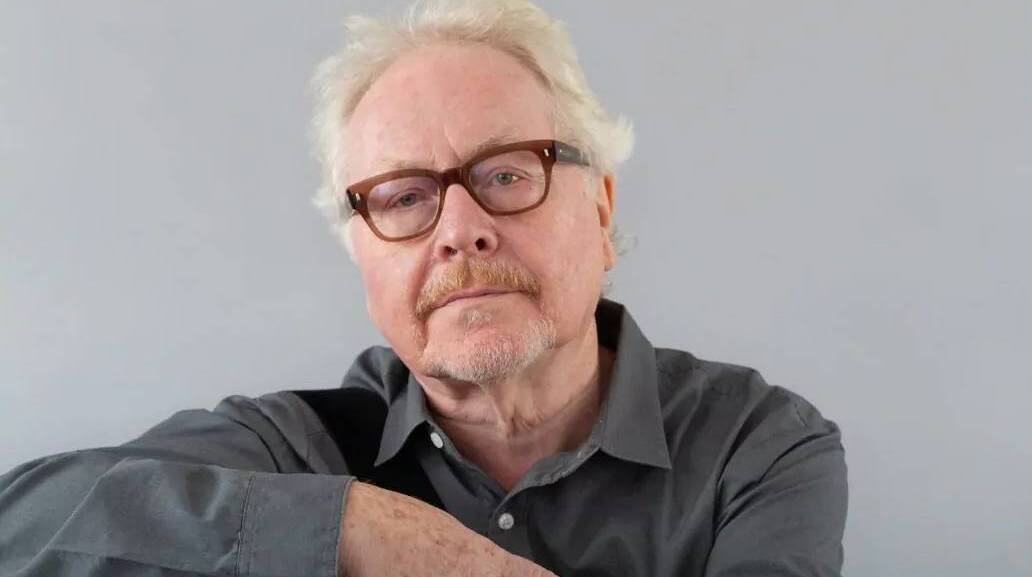
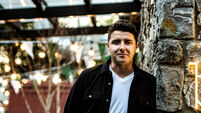
Paul Brady's parents encouraged his interest in music from a young age.
Paul Brady's mother Mollie was a worrier. One of her biggest worries was that her son had made a serious mistake by dropping out of university to become a musician.
“She wanted me to toe the line and become a teacher like her and my father, and was terribly disappointed I didn’t end up with a degree,” says the now 79-year-old.
“I received honorary degrees in later life. She’d undoubtedly have been pleased had she survived to see me getting them.”
The way Brady talks about his mother suggests they had a strained relationship. When pressed, he describes it as “complicated – probably because I was similar to her in many ways. I took things seriously that I maybe didn’t need to. So did she.”
Yet his mother took obvious pride in her son’s professional success. She would cut articles about his albums and concerts out of newspapers and paste them into scrapbooks.
Brady used the memorabilia in these scrapbooks when compiling , a hardback book-and-CD set featuring more than 60 rare recordings and released last year.
“I guess she was proud eventually,” he says. “She learned to appreciate what I had to offer.”
He had an easier relationship with his father Seán, whom he describes as “open, sociable and instinctively loving”.
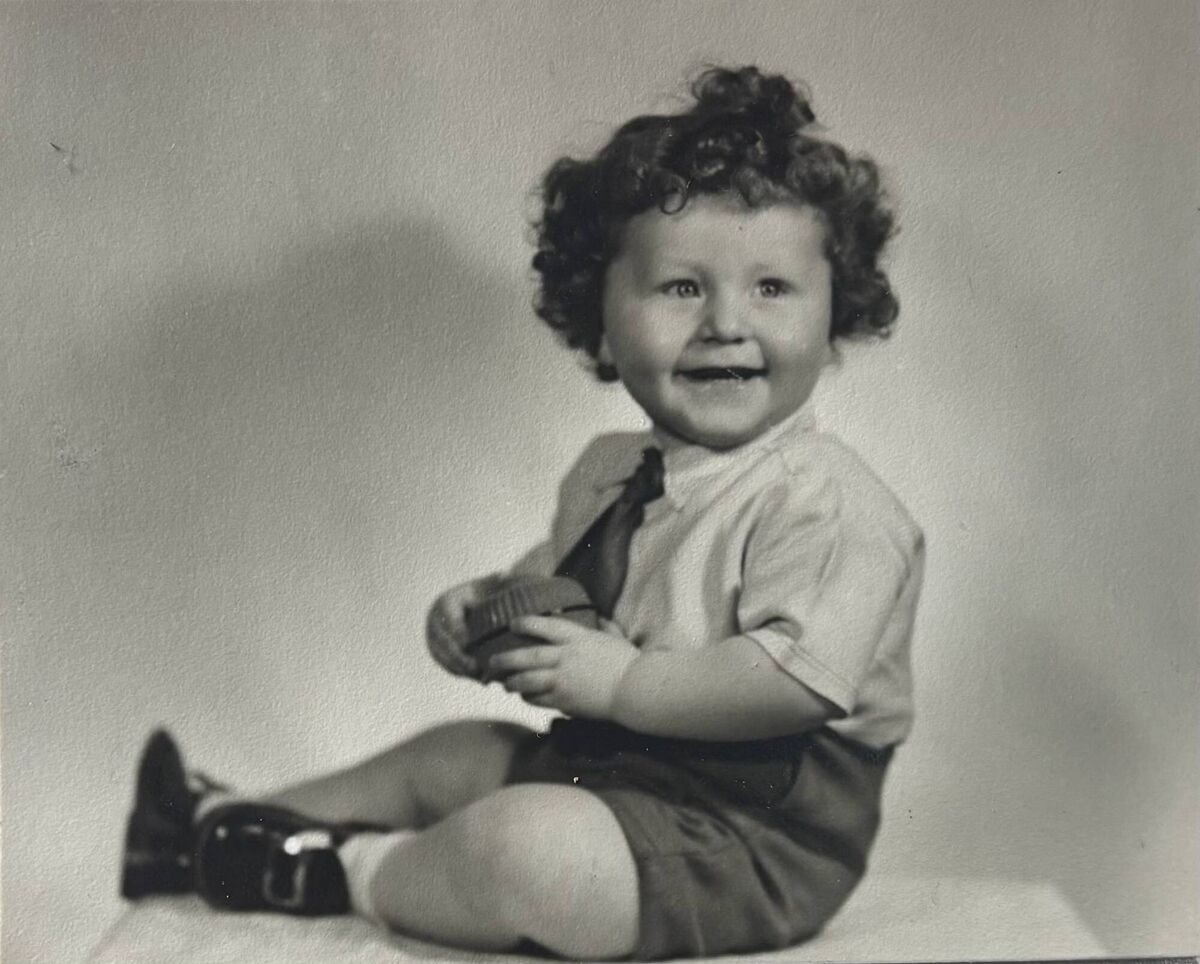
His father was also a natural performer. “In another era, he could have been a professional actor or singer,” says Brady. “He was known for his one-man shows, and when we’d go to Bundoran in Donegal for our summer holidays, he was always called upon to entertain everyone.”
One of three children, Brady grew up in Strabane, Co Tyrone, sandwiched between an older sister Anne and younger brother Barry. All the family enjoyed listening to music, and his parents would regularly burst into song.
But music had a special resonance for Brady. One of his earliest memories is of hearing a hit song in 1948.
“That song was always on the radio, and I fell in love with its melody,” he says. “Melodies have accompanied me through life for as long as I can remember.”
His parents encouraged his interest in music and sent him to piano classes from the age of five. He quickly picked up the basics and started playing tunes at home.
He was further encouraged when he received a guitar for Christmas aged 11. That gift led to him spending hours learning how to play songs he heard on the radio.
Even though Brady was what he calls “a self-contained child”, he had friends on the street where he lived, and they would play in the nearby countryside.
He attended Sion Mills Primary School, one of the rare Northern Ireland schools that integrated boys and girls, Protestants and Catholics. Looking back, Brady says, “The school had a hugely positive influence on how I viewed society”.
He doesn’t want to imply he had no understanding of sectarianism. “The powers-that-be left us in no doubt we, as Catholics, were second-class citizens,” he says. “Driving home from holidays in Bundoran, we’d be stopped and searched by the B-Specials, all for the sake of a power trip.”
Secondary school wasn’t the sanctuary that primary school was. Brady boarded at St Columb’s College in Derry, an all-boys’ school run by Catholic priests. He remembers it as "a culture shock".
"The currency of acceptability there was sports. Let’s just say that I failed to shine.”
He was bullied during his time at the school and says he felt “defenceless in what was a very macho culture”.
His initial plan after finishing school was to become a teacher like his parents. “Nothing else came to mind, and it seemed like the obvious thing to do,” he says.
The first hitch in that plan was that there were so many applications to the arts degree at Queen’s University Belfast that his A-level results didn’t make the grade. He was told to go back to school to repeat his final year.
“There was no way I was going to do that, so I applied to University College Dublin instead,” he says. “I arrived there to study Irish, French, Latin and archaeology when I was 17.”
The second hitch was becoming distracted by Dublin’s burgeoning music scene. He went to see so-called beat groups in the Crystal Ballroom, and he soon joined a band.
“I didn’t see it as a career option initially,” he says. “I was just having fun. But not long after joining my first band, I began to realise that music was what I really wanted to do.”
He played so much music that he neglected his studies. His parents were sent a letter alerting them to the fact that he was failing his exams, and they arrived in Dublin, insisting that he leave the band.
He did as he was told but soon started performing solo in folk clubs. Those performances brought him to the attention of The Johnstons, a band that had just had a number one hit and needed a replacement singer. They asked Brady to join, and he couldn’t resist.
“Aged 20, I jettisoned academia and became a professional musician,” he says. “It took my parents – especially my mother – a while to accept it, but eventually they did. Appearing on with Gay Byrne a few months later helped.”
- Sixty years on, Brady is still playing music. His upcoming tour includes a show in the Cork Opera House on October 16. See paulbrady.com for details.

CONNECT WITH US TODAY



Be the first to know the latest news and updates