'I'm bored': What parents can do when children complain about summer boredom
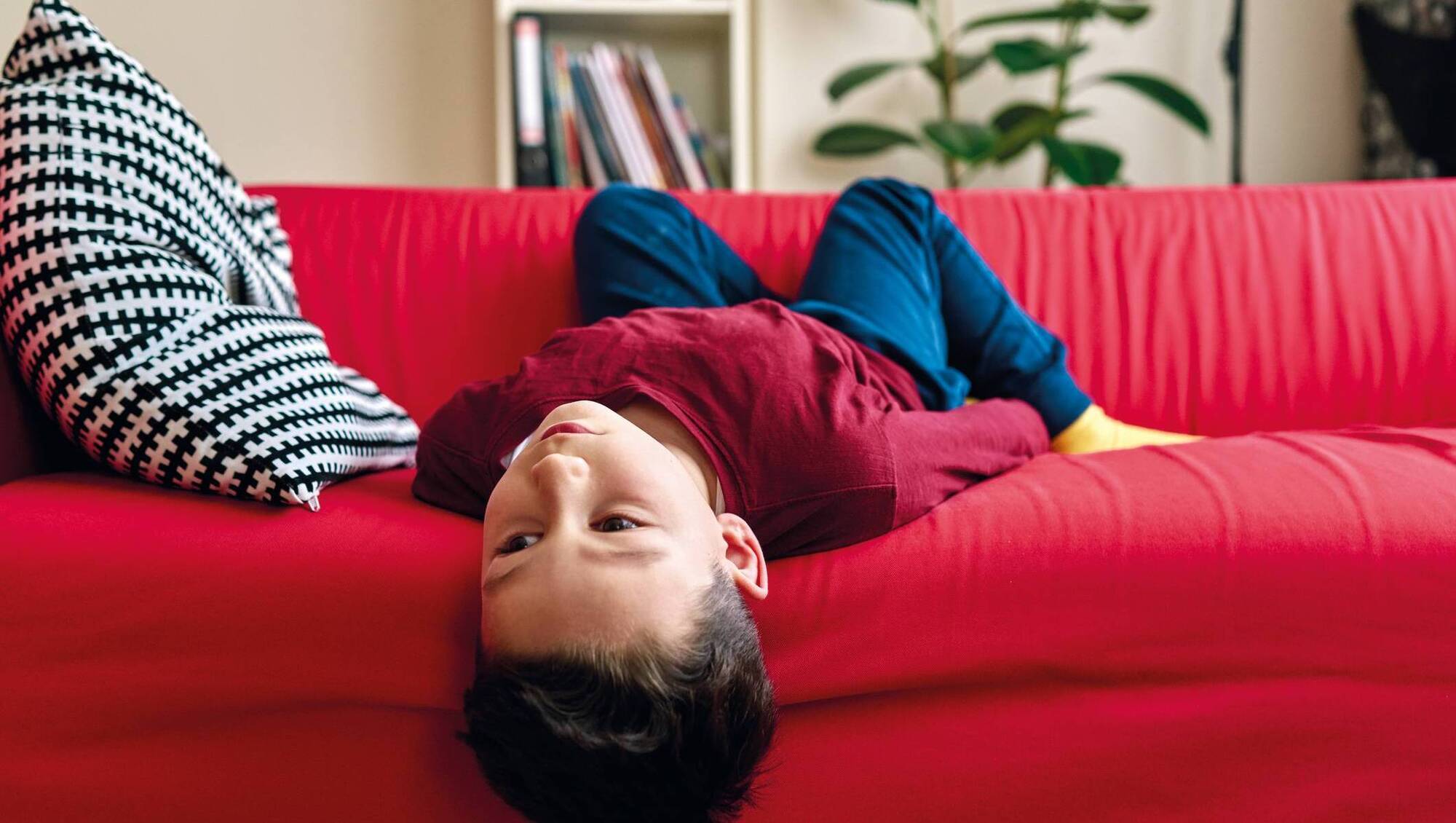
School holidays often bring cries of ‘I’m bored’, but rather than seeing this as a problem, view it as an opportunity for your children to explore their imaginations
Though boredom is often the precursor to creativity, it’s important that children are not left chronically bored or lonely. Picture: iStock

Though boredom is often the precursor to creativity, it’s important that children are not left chronically bored or lonely. Picture: iStock

It’s the tone that reaches you first — kind of querulous, complaining. And then the dreaded words: ‘I’m bored’. Over a month into the summertime juggle, you’re trying to balance a lot — getting a few hours work done before collecting child number two from football camp, and then taking all three to the park.

You look at your two not-in-camp children, sitting in the middle of toys, board games and books, and you feel a flash of real annoyance — how can they be bored? And what can you do about it?

We talked to experts — all of whom have school-going children — and asked how best to respond when children say ‘I’m bored’.

Linda Breathnach, psychotherapist and member of the Irish Association for Counselling and Psychotherapy (IACT), says parents can feel big guilt when both work full-time — and this guilt is exacerbated during summer holidays.

Psychotherapist Linda Breathnach says parents can feel guilt when both work full-time — and this guilt is exacerbated during summer holidays.

“Summer magnifies it. You’re having to put plans and camps in place, and trying to keep them busy. It can be hard to have these dilemmas when you both have to work.”

What’s also difficult for parents is that our children are more used to constant entertainment, says IACP-accredited counsellor Jared Gottlieb. “Capacity to be with boredom is a muscle we need to develop. That’s hard for this generation because, in our over-saturated, over-stimulated world, there are so many different sources of a quick dopamine hit.”

Boredom is not a problem

Gottlieb says research suggests benefits to boredom. “With boredom, there’s often a feeling of aversion or discomfort. Yet our capacity to be with discomfort is equal to our capacity for growth.”

He says boredom is a mind state — a fleeting one. “When your child says they’re bored, see it as an opportunity for them to be with this state of mind, which is a normal part of being human.”

He suggests reframing boredom as an “opportunity to grow discomfort tolerance” in your child.

Breathnach points out that, as parents, we don’t like seeing our children uncomfortable. “It’s hard for parents to step back and let them work through this mild frustration, but a bit of discomfort gives them space to solve, to plan, to be creative — they might organise something. A little boredom, unstructured time, will help their independence.”

While a day of nothing planned in a supportive environment will reap benefits, Breathnach recommends not letting them move into loneliness or be by themselves a lot.

“It’s important they’re not left to be chronically bored or lonely, which could lead to depression.”

Pay attention to how you react when they say, ‘I’m bored’

“Sometimes our own upbringing comes in,” says Breathnach. “Maybe you associate boredom with mischief or getting up to devilment. Maybe whenever you were caught sitting on the couch you were given a job. Or maybe there was no guidance or structure and you were let figure it out for yourself.”

Whichever, she says, will impact how you initially feel like reacting, which may not be the best response.

Gottlieb says children generally bring ‘I’m bored’ to parents as a problem. “Believing it’s a problem and addressing it that way is where a parent can get caught — and maybe say ‘here’s a device’. Rather than seeing yourself as the ‘activity director’, the task of the parent is to be able to tolerate the child’s frustration.

Counsellor Jared Gottlieb: Screens are short-term effective but they’re not growing your child’s capacity to be with discomfort.

“The role of the parent is not to be the entertainment.”

Hesitation is powerful

Rather than jumping in with a solution, Breathnach encourages parents to hesitate and give their children space, even for 10 minutes. “It can feel long — but you could still use prompt questions: ‘Ah, you’re bored. What did you do last time you were bored? I wonder what you’ll come up with this time?’

“You’re putting it back to them, believing in them to sort this out. You’re not responding with anxiety or discomfort. You’re trusting them. In doing that, you’re empowering them.”

And if that feels too hard, Breathnach suggests asking, ‘Did you try this?’, or ‘Why don’t we each think of two or three ideas and then come back to each other in a few minutes?’. This is sharing, teamwork — they’re not on their own, but you’re not doing it for them.”

Gottlieb says bringing the question back to the child — ‘Oh, so you’re bored, what should you do?’ — normalises the experience of boredom for them. “And then wait and see what happens. You’re trusting that the child can be with this, will find a way through it, and a way to engage. You’re trusting they know how to be a child. You’re allowing the imaginary process to happen.”

Actively embrace boredom

US-based clinical psychologist Dr Becky Kennedy gives parental guidance at goodinside.com. She encourages a ‘boredom block’ — a ‘built-in time where nothing is planned, no one is entertained, and everyone is just being’.

Her step-by-step approach to this is first to set expectations: ‘We’re going to try something new — a boredom block, where we don’t plan anything. It’ll feel tricky — [but] you’re a kid who can figure out tricky things.’

She recommends starting small, which can vary depending on the child — maybe a boredom block of 15 minutes or even longer. And if your child finds it frustrating, she encourages validating this feeling — while still holding your boundary: ‘Oh, I believe you. It’s frustrating not to have a plan. Remember, this is our boredom block. It’s OK to feel bored right now. You’re a creative kid. I know something will come to you.’

Resolve a no-screen response

Gottlieb knows lots of parents who redirect their child to imaginative play, to nature, cooking or puzzles when they complain of boredom. “What we don’t advocate is screens. They’re short-term effective — your child isn’t complaining anymore. But they’re not growing your child’s capacity to be with discomfort.”

Breathnach says devices have become too easy for us to fill time with, whether we’re in a waiting room, travelling in a car or feeling we need to download a movie because we’re going on a plane.

“Boredom means there’s a gap. But what does our child miss out on if we try to fill that gap with a device? They’re not building a hut from a cardboard box or playing with cushions, rolling around, pulling out a toy they haven’t played with in months, digging a hole, looking for worms.

“They’re missing out on finding a solution, the independence and confidence from coming up with a plan themselves, from trying something new.”

Relish pottering, and see boredom as space for rest and re-set

Breathnach urges valuing those in-between spaces that happen by accident.

“The time in the car when the journey takes longer than expected, or a family member calls and the child has to wait. Maybe waiting for dinner, or you bump into someone in the shop and you talk for 20 minutes.

“And maybe your child plays with the button on their shirt. Or has a giddy time with a sibling.”

Because the antidote to boredom is not entertainment but presence, says Gottlieb. He says the simple act of being present — and doing nothing actively to alleviate their boredom — gives your child space for mind-wandering and day-dreaming.

“Letting your mind wander makes space for insight to arise. Boredom is often the precursor to creativity,” he says, referring to French novelist Marcel Proust’s observation that the real voyage of discovery consists not in seeing new landscapes, but in having new eyes.

What parents do when they’re bored

Gottlieb says boredom can be an invitation to pay closer attention to our lives. “How we direct our attention models for our children how they can redirect their attention. If you go for the phone in an off-moment, you’re sending a message of entitlement to be constantly entertained.

He says our children learn from us. “So it’s good for parents to have self-awareness around what’s most nourishing for them — and to explore that.”

More in this section

Cookie Policy Privacy Policy Brand Safety FAQ Help Contact Us Terms and Conditions

© Examiner Echo Group Limited