Joanna Fortune: My daughter is finding it difficult to find her tribe in secondary school
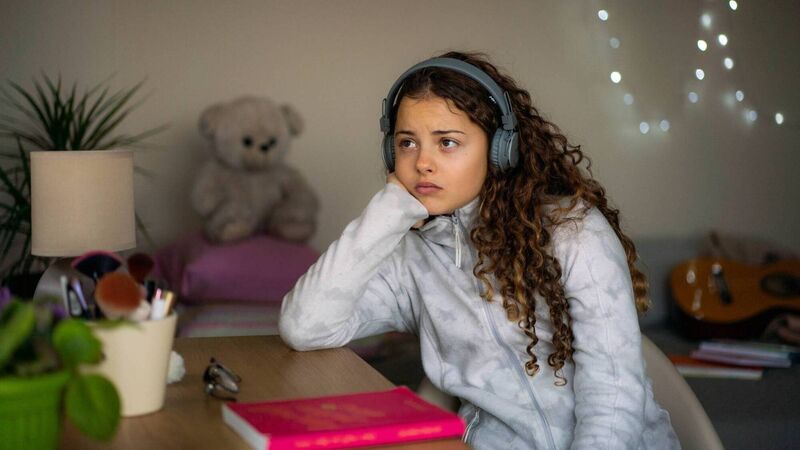
The fact she had a group of friends in primary school reflects she has good social skills, can make friends, and experiences the joy and value of friendship as part of social engagement. Picture: iStock

This is something I frequently see in my work with teenagers. The transition from primary to secondary school is a big leap for children, and, of course, it occurs at the transitional point from middle childhood to early adolescence.
So much is going on for them, and while this is a time when they really need our support, they can be developmentally wired to reject our efforts at this stage. So we need to focus on being available to them when they feel ready.
I find, in my work (and this is something many secondary school teachers have also observed), that the summer between first and second year in school is one of immense pressure and change.
Some of your daughter’s peers will have, seemingly, become very grown-up, and others will still seem quite young in their maturity. When this happens, we can see splits in friendship alliances, with new groups forming, which can be very painful and even isolating for some teenagers.
It sounds like your daughter has struggled to make and sustain peer connections (or, as you put it so well, to find her tribe) since joining secondary school. I wonder if any of her previous friend group from primary school went to her secondary school?
Even if they did, friendships often restructure in this new phase of development, as I mentioned above. But the fact she had a group of friends in primary school reflects she has good social skills, can make friends, and experiences the joy and value of friendship as part of social engagement.
Starting secondary school is not just about learning and studying. It is also about joining and becoming as active as each person feels comfortable, within the school community. This involves joining teams or clubs, getting involved in activities like drama or debating, and volunteering for committees or other events. All of these help to build and shape confidence and esteem and form friendships with like-minded others.
Start with activities she has enjoyed outside of school and see if there’s an opening for something similar within school. Her year head could also be worth talking to.
Pay attention to names she might mention more often and focus on quality over quantity. If there is even one or two other children in her year that she likes being with, use the summer to help her nurture these connections ahead of the new school year.
Also, encourage her to stay connected (or reconnect) with friends outside the school environment, including friends from primary, and to re-engage with activities she previously enjoyed. This will boost confidence and self-esteem while encouraging social engagement.
I know the school year is fast coming to a close but it is not too soon to start making proactive plans for the new school year.
Overall, focus on validating her feelings, avoid telling her to “just go sit with someone”, and instead suggest low-pressure social activities that help her connect with children her age.
If you have a question for child psychotherapist Joanna Fortune, please send it to parenting@examiner.ie.


CONNECT WITH US TODAY



Be the first to know the latest news and updates