What's in a vape and how to tell if your teen has started vaping
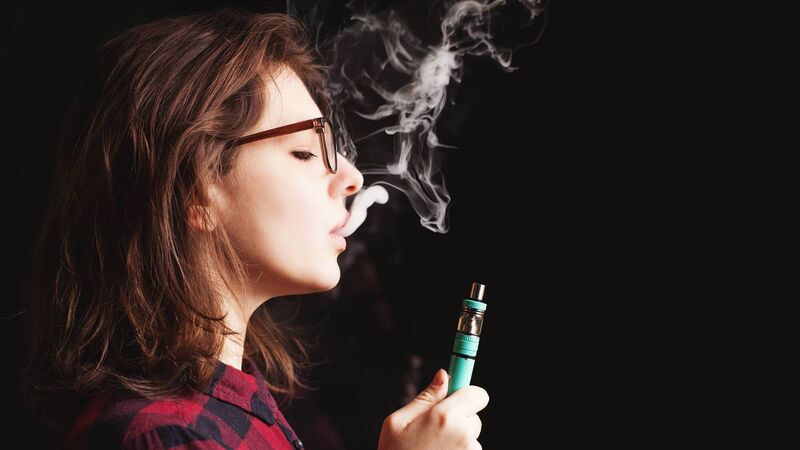
Many young people still believe that vaping is a harmless alternative to cigarettes, writes Helen O’Callaghan
What's in a vape and how to tell if your teen has started vaping

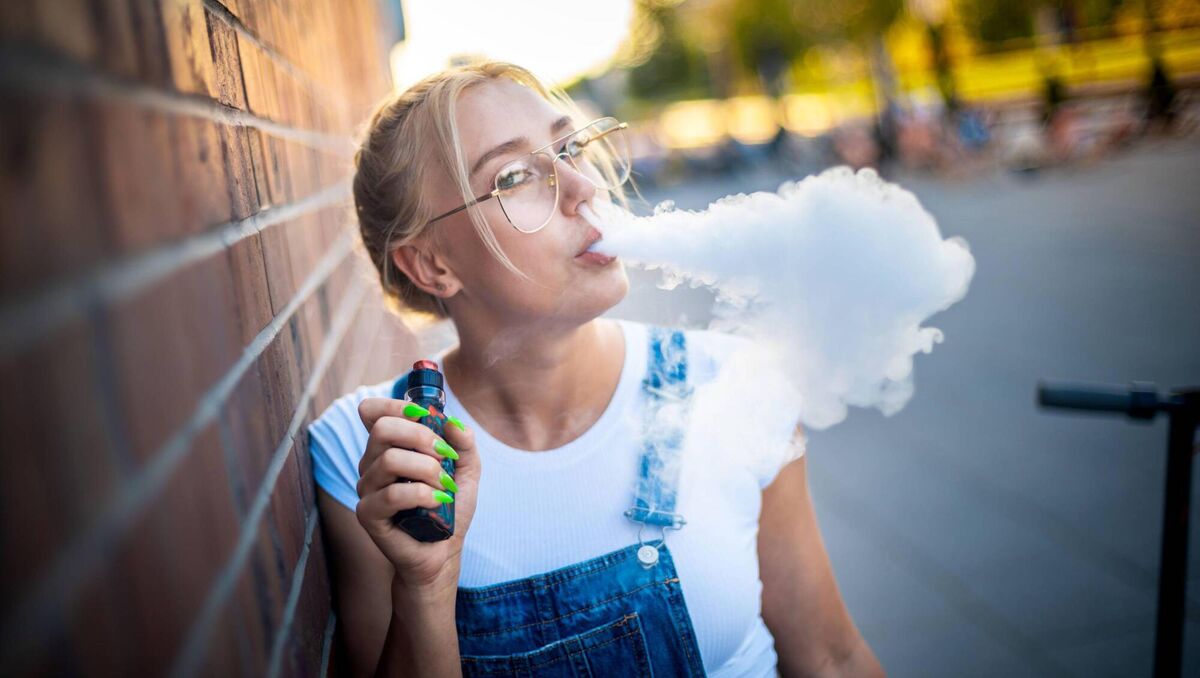
Kids need to be aware of vaping dangers. Picture: iStock

For about 10 years, Gorey Community School principal Michael Finn had not been smelling smoke from the school toilets. 

“But I had been smelling the sweet smell of vaping — over the years, the flavours have become more diverse — so we knew it was an issue. It was happening in the toilets, and it was very difficult to address appropriately and to quantify.”

Hugely concerned, chiefly for his students’ health, Finn had a vape-detection alarm system installed in August 2024. “All those chemicals weren’t going to be good for their physical, emotional or mental health — issues that could affect them into adulthood.

“I was also concerned for the health of students who weren’t vaping but who were still inhaling vaping fumes, not unlike passive smoking. And there were younger students, just wanting to go to the toilet, who felt intimidated by groups standing around vaping in break-times or before or after school.”

The school sourced the vape alarm system through a British-based company. “They’d installed a lot in the UK and in schools on the west coast of America. We looked at testimonials — it looked like something that would meet our needs. We took it initially on a trial basis, and it proved successful.”

With more than 1,600 students attending the Wexford school, Finn says all 13 bathrooms have now been equipped with the system. He says the alarm is silent when it goes off — but sends a message directly to his office, and to the school’s three deputy principals, once the sensor is triggered by vaping. 

“It’s quite a sophisticated scientific system that allows us to see at what point the alarm was activated. And cameras on the corridor outside the bathroom tell us who was in there at the time.”

While it “took a while to embed” and is very expensive, Finn says the system has significantly reduced vaping in the school. “We have very few instances of vaping now — they know they’ll be caught. We also have excellent supervision of our grounds — but I’ve no doubt vaping is still going on outside of school.”

Michael Finn, principal Gorey Community School: 'We have very few instances of vaping now — they know they’ll be caught.'

Adding that the school’s approach is not just to address vaping through enforcement but also through education, he says: “We run a campaign through science and SPHE classes about the health effects and dangers of vaping.”

Finn reports “no poor reaction” from students: “They know vaping is bad, and that it’s illegal now for under-18s to be sold vapes or to have them.”

Parents are happy, he says. “In the early days [of the alarm system], there were parents shocked to the core that their child had been vaping. But it meant they then had an opportunity to address it with their child.”

HSE campaign

Vape experimentation and regular use is increasing among young people — one in three students have tried vapes, on

Late last year, the HSE launched its ‘Take a deep breath’ campaign, highlighting the risk of vaping products. A letter was sent to every school in Ireland warning about the dangers of vapes — and other nicotine delivery systems such as nicotine pouches.

Research from the European School Survey Project on Alcohol and Other Drugs (ESPAD) shows vape experimentation and regular use is increasing among young people — one in three students have tried vapes, one in six are current users and one in 13 have tried nicotine pouches.

A study conducted last September by Ipsos B&A for the HSE shows exposure to vaping often begins early. The research, carried out among young people, parents, and teachers, found experimentation can start as soon as students enter secondary school. 

Also parents reported feeling overwhelmed and uncertain, citing a lack of clarity around available products, the health consequences, and what their child might be experimenting with.

Why vapes are almost seen as a must-have accessory among a significant cohort of under-18s is down to a number of reasons, says Professor Marcus Kennedy, consultant respiratory physician at Cork University Hospital. 

Prof. Marcus Kennedy, consultant respiratory physician at Cork University Hospital. Picture" Chani Anderson

First of all, he says, teens — by virtue of their developmental stage — will experiment. And there’s a lot about vapes that’s attractive.

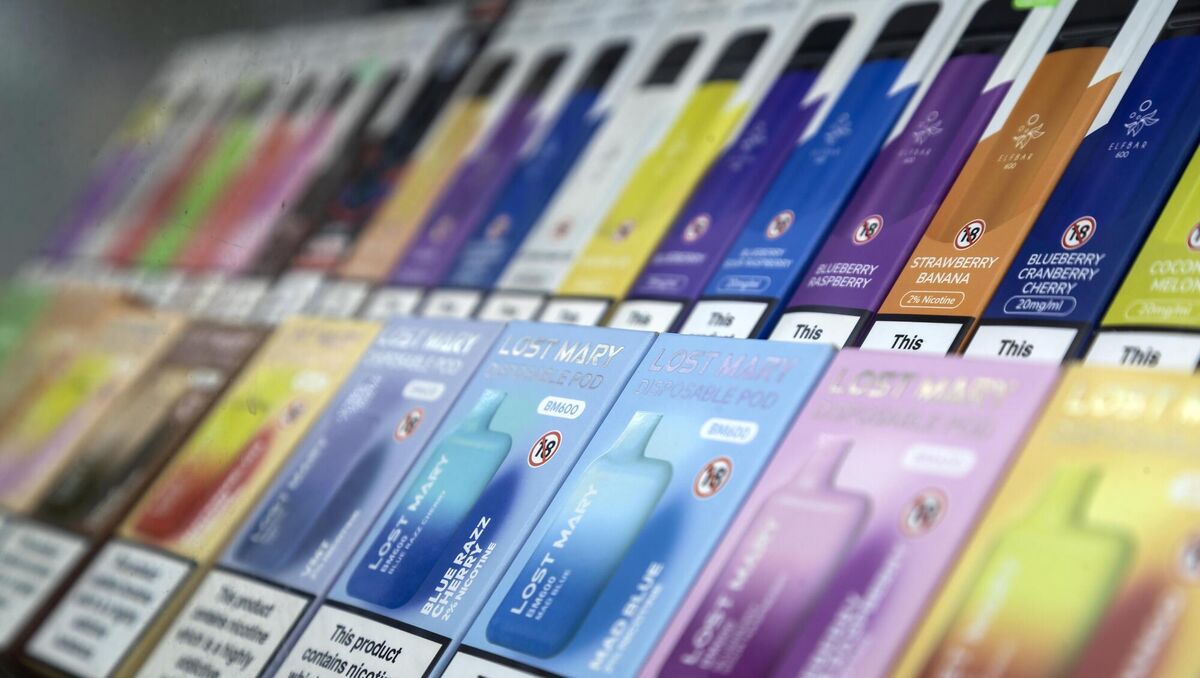
“All the different packaging, the flavours, the colours. Social media influencers pushing them, and there’s no smell of smoke from them,” says Kennedy, who gives talks in Cork schools about the dangers of nicotine.

He finds that most young people don’t know that vapes are generally recognised as being highly addictive, even more so than cigarettes. “When you inhale, you get more nicotine; there’s a higher concentration in a puff, so the nicotine gets into a higher concentration in the blood than it does from a cigarette.

“The nicotine in one small disposable vape is equivalent to that in two packs of 20 cigarettes.”

Kennedy finds that teens “don’t have knowledge” of the harms vaping can do. “They generally think they’re far safer than cigarettes.”

However, he says, research from the Health Research Board shows that teens who use vapes are three to five times more likely to start smoking compared to those who never used vapes.

What’s in a vape?

Most young people don’t know that vapes are generally recognised as being highly addictive, even more so than cigarettes. Picture: Colin Keegan, Collins Dublin

The HSE’s ‘E-cigarette and smoking use among adolescents in Ireland’ focus group study, published in 2021, was carried out across three schools — an all-boys school in Cavan, a Sligo all-girls school, and a co-ed in Louth.

When asked what they believed vapes to contain, most thought e-cigarettes contained nicotine, though some were unsure. Some believed that some e-cigarettes did not contain nicotine, several thought they contained water, while others thought they contained flavouring.

Responses included ‘They contain nicotine, so that’s why they’re addictive’ and ‘I think you can choose to have some with nicotine or some without, or even put the nicotine in yourself’, as well as ‘I’m unsure what they contain’.

Pointing out that a vape is an aerosol, Kennedy would like students to know that they are not “just inhaling nicotine with water” but “loads of other chemicals” too. “Most contain propylene glycol, also found in antifreeze, acetones — the same as in nail polish remover, formaldehyde and multiple other components.”

The dangers span across multiple body systems. “It’s well recognised that nicotine damages the developing brain, leading to poor concentration. It affects memory and attention span. Nicotine through vaping is known to cause heart disease, it raises blood pressure and increases heart rate, which links to coronary heart disease.

“It’s associated with lung disease — the flavours in vapes, such as cinnamon, damage the lungs. We’ve had people come in with actual lung injury from vaping,” he warns, adding that tooth decay “looks as if it’s increasing in those who vape”.

Signs to look out for

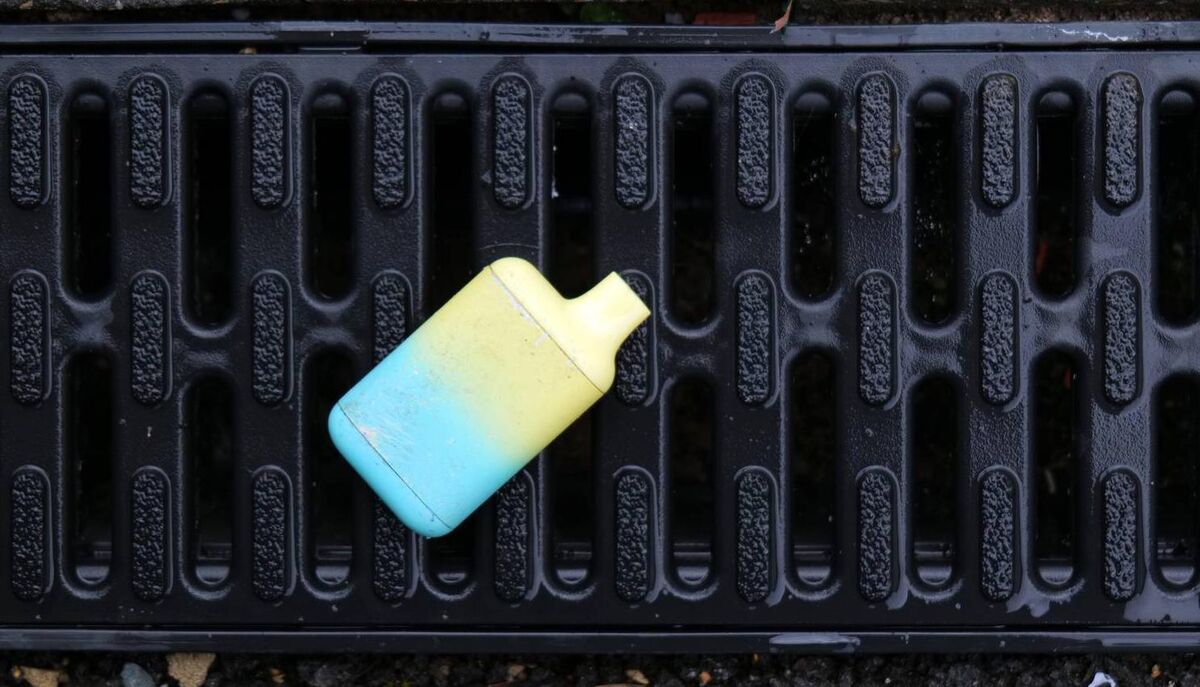
The number of disposable vapes sold in Ireland per year is massive, and they’re not recyclable

The HSE says it can be hard to know if your child is vaping, but suggests the following may be signs (while acknowledging that behaviour changes don’t always mean they’re vaping, and mood changes are common for teens):

  • Different smells on their clothes or in their room
  • Dehydration — drinking more water than usual, or having dark circles around their eyes
  • Nosebleeds
  • Coughing
  • Problems sleeping
  • Appetite changes
  • Being more irritable or anxious than usual.

Kennedy recommends discussing the matter with your child.

“Ask if they see people vaping. Talk about side-effects and about making healthy choices in general. Discuss how vapes aren’t safe, that they’re very addictive and will impact memory and concentration. And that withdrawal from high concentrations of nicotine makes people aggressive.

“Come at it too from the environmental perspective — the number of disposable vapes sold in Ireland per year is massive, and they’re not recyclable.”

Pointing to the Irish Government’s Tobacco 21 strategy to increase by 2028 the age of legally buying tobacco or inhaled nicotine products to 21, Kennedy says this would significantly help teens. “An 18-year-old might go in [to retailer] and buy a vape for a 15-year-old, but a 21-year-old would be less likely to do that — to buy vapes or cigarettes for an under-18.”

Useful resources:

More in this section

Cookie Policy Privacy Policy Brand Safety FAQ Help Contact Us Terms and Conditions

© Examiner Echo Group Limited