Colman Noctor: When mock exams feel all too real for your child
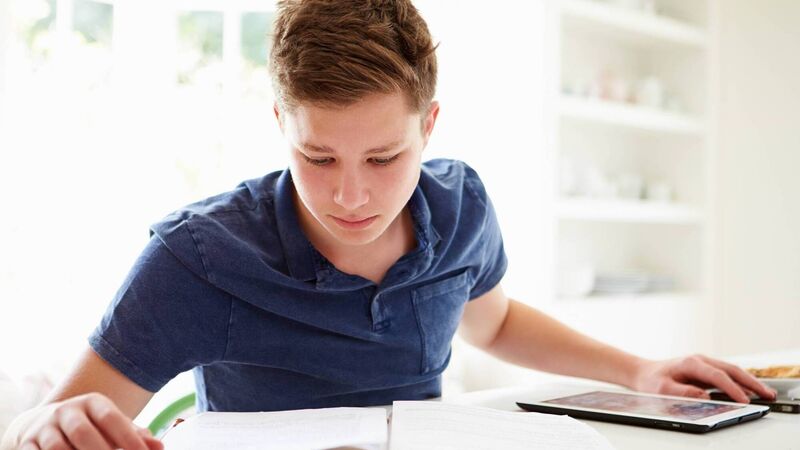
Research suggests short study intervals of 45-50
minutes, followed by a 10-minute break, are
more productive than hours of continuous revision. Picture: iStock

For many teenagers in exam years, January isn’t just a new term — it’s when the reality of mock exams comes into sharp focus.
In recent years, I have written the annual pre-exam column in late May as the upcoming State exams draw near. Usually, I focus on Leaving Cert students.
However, as a parent of a Junior Certificate pupil this year, I have realised the stress of the upcoming mock exams can also be substantial. This may be an especially nerve-wracking time for Junior Cert students, as the mock exams are their first experience of a ‘serious exam’.
This group is not immune to the belief that mocks are always marked harder, with rumours circulating that mock exams can sometimes be more difficult than the actual Junior Cert exams, as they contain content yet to be covered in the curriculum.
Third and sixth year students will have rightly enjoyed a well-deserved break over Christmas, when school felt worlds away. But now, the initial signs of struggle appear, in the form of a slammed door, a sideways comment about “not being ready”, and delayed bedtimes that are not about wanting to watch a few more minutes of their favourite TV show, but rather the need to discuss their worries about the upcoming exams and perhaps trying to manage everyone’s expectations. Anxiety is no longer just a concept — it’s lived, breathed, and felt.
As parents and carers, we often feel pulled in two directions. We want to support our children without smothering them. We want to encourage diligence without increasing anxiety. We want them to succeed, but not at the expense of their sense of self. It’s about teenage wellbeing during a challenging time in their lives.
The 2020 Programme for International Student Assessment (Pisa) study found Irish students report significantly higher levels of test anxiety than their international peers, even when they feel prepared, with 63% experiencing anxiety compared to the OECD average of 55%.
Not all stress is inherently bad. A certain amount can help to motivate and focus energy. But too much becomes a burden, disrupting sleep, dampening mood, and clouding concentration. Studies connect chronic academic pressure in adolescence to a higher risk of anxiety and emotional distress.
Mock exams serve a purpose and do precisely what their name implies: they imitate the real thing to prepare students for what lies ahead in June. However, doing so can also lead to an uncomfortable knot in the stomach, along with persistent questions about whether students have "done enough".
From a parental perspective, it’s tempting to want to ‘fix’ their child’s worries by suggesting schedules and study plans and whispering reassurances that “you’ll be grand”. But teenagers are not projects to manage. They are complex emotional beings, seeking not just solutions but understanding.
Over the past week, I have been trying to let my teenager speak without interruption about what troubles them most. Not just about “how much study they’ve done”, but about what they are genuinely worried about. Is it forgetting content? Is it disappointing someone? Is it the fear of being “found out” as not being clever enough? My hope is that naming these fears will lessen their power.
It is well established that resilience and a strong sense of self act as protective factors to help young people manage anxiety. Adolescents who believe they can cope are less likely to succumb to overwhelming stress.
Here are a few responses I would recommend to foster connection rather than escalate stress:
“That sounds really tough. Tell me more.”
“I hear how hard this feels. What can I do that would be helpful?”
“What parts are you most worried about right now?”
These kinds of phrases foster emotional literacy, which young people often lack because of their evolving emotional vocabulary.
Teenagers can unintentionally pick up their parents’ stress. When we are pacing, frequently checking their progress, or making well-meaning but loaded comments (“Have you started doing those past papers yet?”), we may inadvertently increase their stress. Remember, modelling calm can be one of the most effective interventions.
Sleep helps consolidate memory, a vital process for revision, while regular movement lowers cortisol levels, so even a short walk after school can provide the physiological reset teens often need.
Encourage breaks, not as ‘rewards’ for study, but as integral parts of a healthy routine.
Research suggests short study intervals of 45-50 minutes, followed by a 10-minute break, are more productive than hours of continuous revision, which can leave the brain exhausted and result in irritability.
While many young people are fans of energy drinks, believing they boost mood and concentration levels, this effect is only temporary. Over longer periods, they can worsen anxiety and disrupt sleep, which are the very issues we are trying to protect against.
While it can be supportive to help younger students set goals, it is vital to reach consensus on how they want to measure success. Is it a specific grade? A sense of progress? The ability to arrive at each mock exam with calm focus? It is essential to help your child define success in ways that value effort, resilience, and learning, to minimise the risk of catastrophic thinking.
There may be times when your teen feels stuck. Their irritability persists, they become withdrawn, have disrupted sleep, or show a constant sense of futility. These could be signs that anxiety is no longer temporary but is nearing distress. If you are worried about your teenager becoming overwhelmed, don’t hesitate to involve the school and seek support. This support could be through guidance counsellors, year heads, or even external therapeutic services.
During moments of high pre-exam stress, it is vital to keep the bigger picture in mind. Remind yourself and your child that January is a stepping stone. The mocks are opportunities to practise, designed to show what has been learned and what still requires attention. They are not the ultimate measure of a young person’s abilities or their potential to succeed in life. Your role as a parent is to concentrate on your child, not solely on the exam result.
The teenage years are messy and magnificent, full of growth, pain, epic catastrophic drama, and small triumphs. In the weeks ahead, there will likely be tears and laughter, late-night chats, and early-morning meltdowns. During these times, we need to remind ourselves that our presence is the most important intervention, ensuring we remain steady, compassionate, and curious.
I believe this parental approach will matter far more to your teenager than any timetable you print or stern talk you might give.
If your child falls short of the mark they aimed for in the mocks, they will recover. If they surpass expectations, celebrate with them, but remind them that this moment does not define their future.
Exams come and go. What endures is the confidence to face challenges with resilience and the knowledge there is someone in their corner who believes in them, not just for what they achieve, but for who they are.
- Dr Colman Noctor is a child psychotherapist
CONNECT WITH US TODAY



Be the first to know the latest news and updates