Dad's support puts children on right sporting track
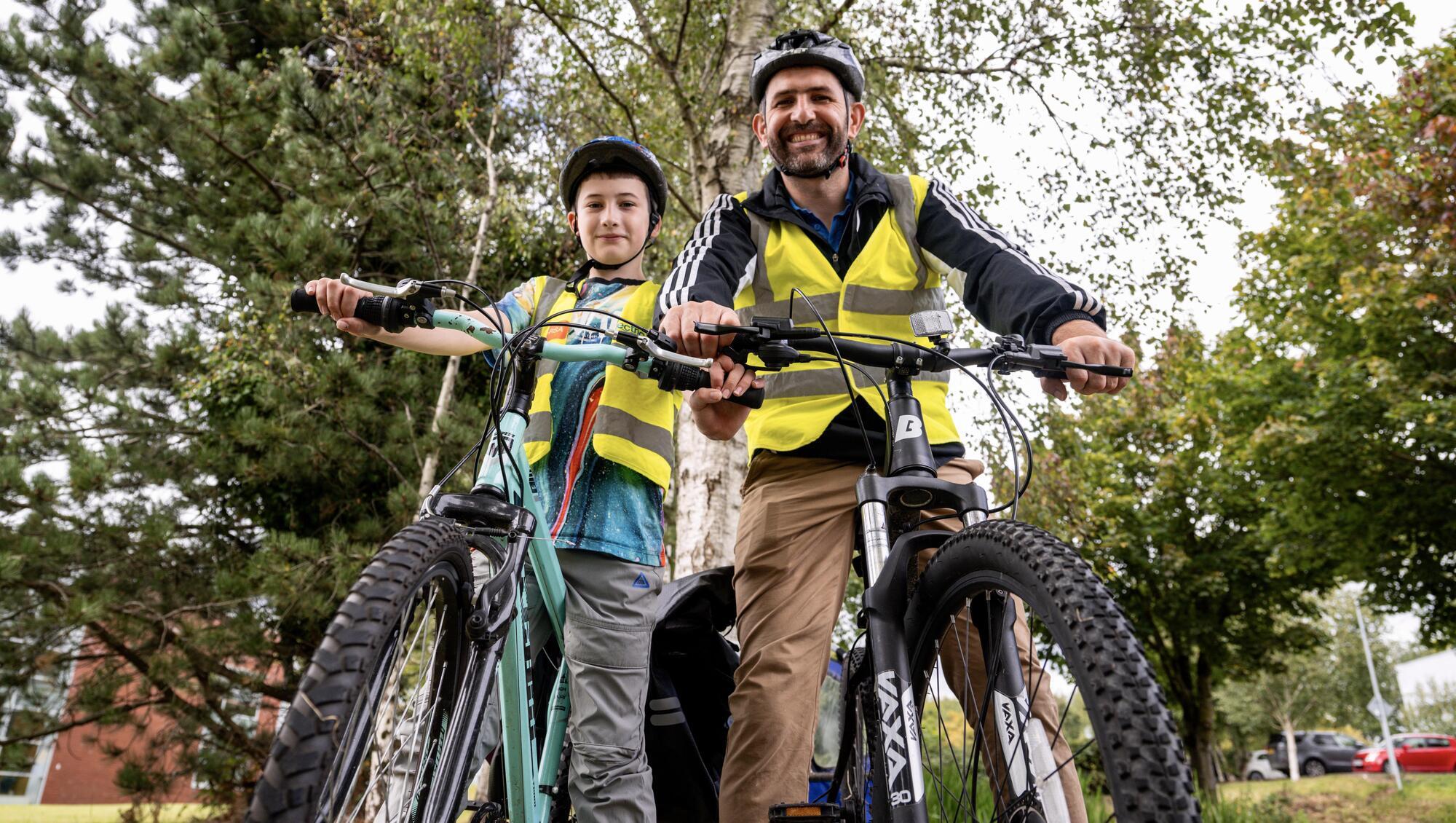
George Finn pictured with his oldest son, Daragh, 11. Picture Chani Anderson

- Know the importance of timing. The role of family seems to be most important before age 16; after that it starts to diminish. Children who took up sport before 16 were much more likely to say their fathers introduced them to it. The father’s role was higher than that of schoolteachers, friends, or mothers.
- Be active yourself. The impact of role-modelling is critical. And support mothers to be active, too: children in families where both parents participate in sport are more likely to play sport and be active.
- Support them to play multiple sports. Only 10% of people play the same sport for their lifetime. So lifelong sports participation does not seem to be a story of loyalty to one sport, but a story of change and transition across different sports. Equipping children with a range of movement skills supports them through these transitions as they live their life of sports participation.
- Promote the intrinsic value of sport when children are young. Avoid over-emphasising the importance of winning. Winning is an important component, and it creates great memories, but prioritise sport’s intrinsic value: its social and health benefits, the sense of competence and self-confidence it develops. If the intrinsic value isn’t promoted, people are more likely to drop out of sport as they get older.
- Sport Ireland has resources and tips for parents to support their daughters to be active: hermoves.ie. Although targeted at parents of girls, there’s relevance for boys, too.


CONNECT WITH US TODAY



Be the first to know the latest news and updates