Dr Phil Kieran: Should I be worried about my son's tummy pains?
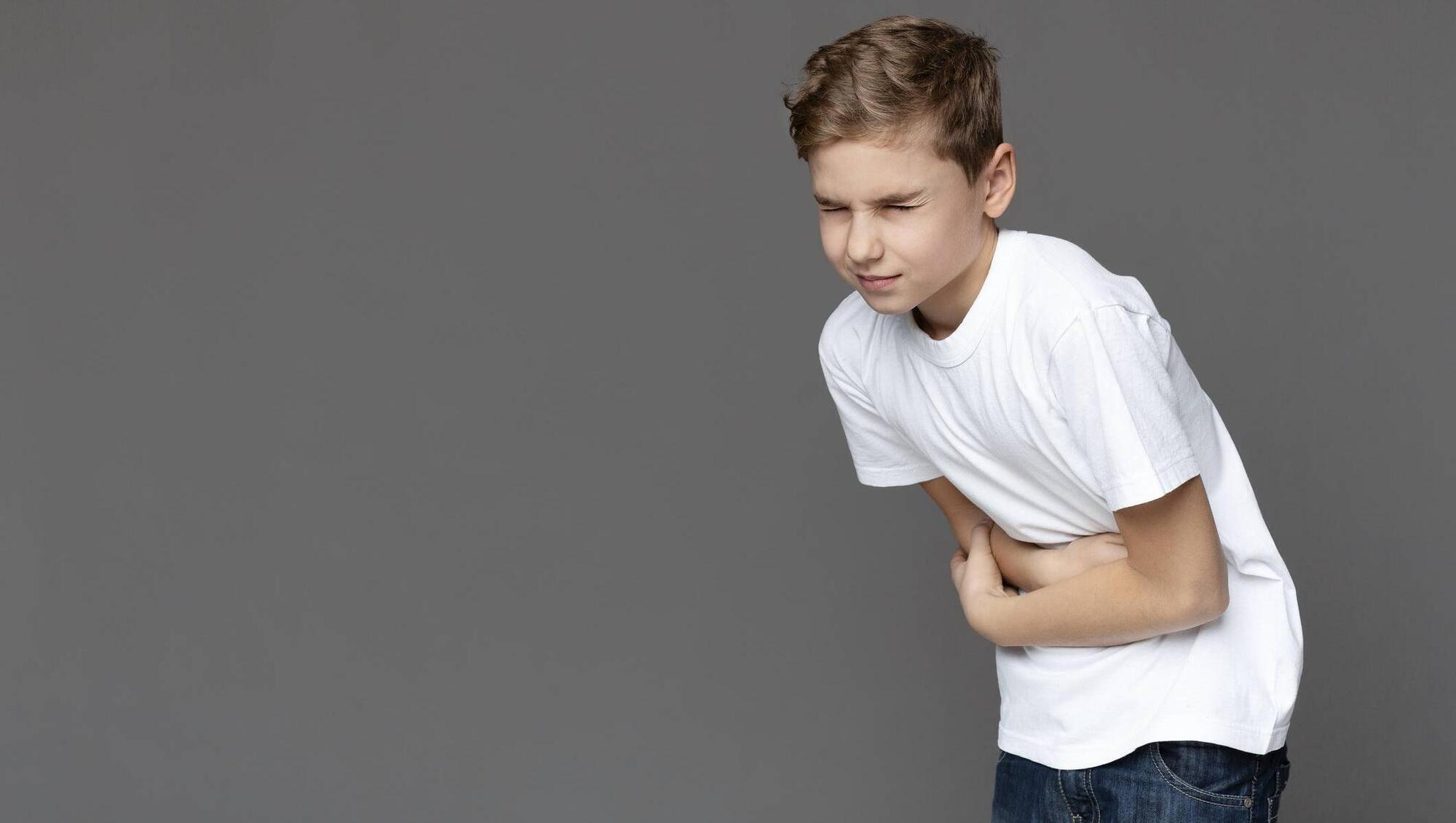
"Our gut often changes size during the day, between digesting food and going to the toilet. It is also constantly churning our waste food to keep it all moving. With all this movement happening, it’s not surprising that it’s a typical area to feel discomfort."
Dr Phil Kieran: Should I be worried about my son's tummy pains?

Picture; iStock

My eight-year-old son gets stress-related tummy pains — usually in the morning before heading out to school. Our GP says he will probably grow out of them, but should I ask for a complete set of tests just in case he has an underlying condition?

Tummy pain is a common complaint in children.

Our gut often changes size during the day, between digesting food and going to the toilet. It is also constantly churning our waste food to keep it all moving. With all this movement happening, it’s not surprising that it’s a typical area to feel discomfort.

Abdominal pain can be caused by several issues, ranging from muscular strain to constipation to infection or inflammation. 

These can usually be distinguished by how they affect the person and what other problems they cause. A simple physical exam usually is all the medical testing required.

When recurrent abdominal pain happens in children, we are usually keen to figure out the pain pattern to see what category it falls into. 

For pain that usually happens on weekdays and is not present at the weekends, school holidays, or evenings, we can be fairly certain that there isn’t an inflammatory or infectious cause for these symptoms. 

This type of pain is prevalent, particularly in more anxious or self-aware children.

The advice given by your GP seems correct. In fact, proceeding to more specialised or medicalised testing could make things worse as it increases the sense that something is wrong with the patient. 

Also, normal test results could reinforce the idea that doctors are missing something more serious.

Parents play a critical role. They need to acknowledge the child’s symptoms without overemphasising them, which can sometimes be difficult.

My advice is to discuss the tummy sensations with your child and gently address any underlying anxiety. Explain that this is how their body tells them they are a bit worried about something, and teach them constructive ways to talk about their experience and feel more secure.

Of course, this is much easier for the parent to do when they know the signs of a more serious condition. These include:

  • Pain that doesn’t follow a pattern related to events or mood
  • Pain that prevents the child from doing things they enjoy
  • Weight loss or a persistent change in bowel habit
  • Blood or mucus in the stool
  • Fever.

If none of these signs apply to your child, you can be reassured that nothing more serious is going on.

I usually only consider further investigations for a child in this setting if coeliac disease is a possibility. 

This condition would typically present with intermittent abdominal pain that isn’t linked to activities like school and would frequently cause the child to be underweight or not growing well.

  • If you have a question for Dr Phil Kieran, please send it to parenting@examiner.ie

x

More in this section

Cookie Policy Privacy Policy Brand Safety FAQ Help Contact Us Terms and Conditions

© Examiner Echo Group Limited