Aoife Hearne: What can I do to ensure my child does not get dental cavities?
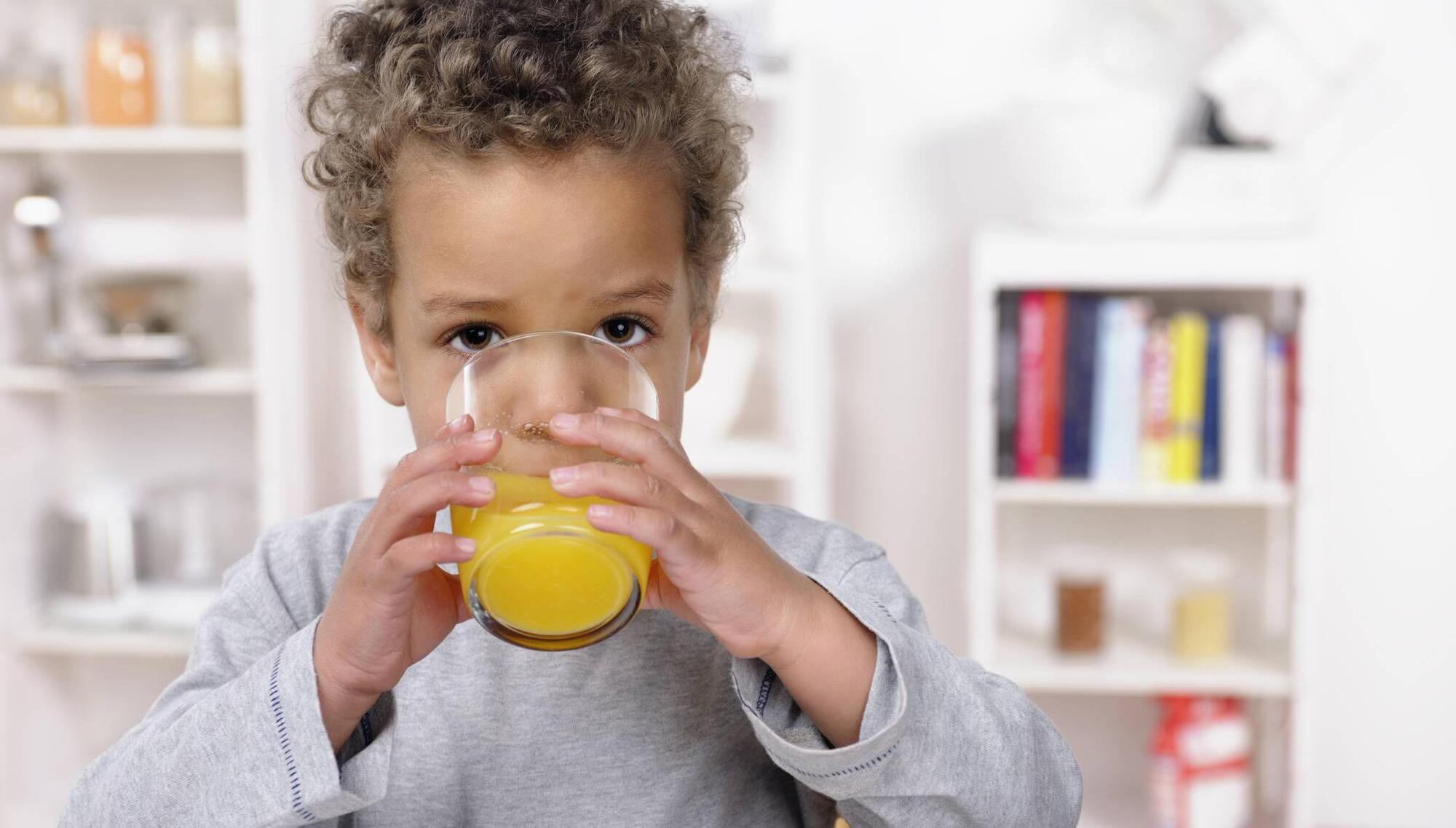
My three-year-old has dental cavities. The dentist blames the cartons of fruit juice I gave him at lunchtime. What can I do to ensure his permanent teeth are healthy?
If your child wants fruit juice, keep it to breakfast and ensure he brushes his teeth when finished.

If your child wants fruit juice, keep it to breakfast and ensure he brushes his teeth when finished.

My three-year-old has dental cavities. The dentist blames the cartons of fruit juice I gave him at lunchtime. What can I do to ensure his permanent teeth are healthy?

You are not alone. I recently had a similar experience with my children. Once I overcame the shame, we made a plan to ensure we focused moreon dental hygiene at home.

Cavities happen when bacteria and food left on the teeth after eating are not brushed away. This leads to a drop in the saliva ph, making it more acidic, eventually softening the enamel until a hole or cavity forms. Starchy, sticky or sugary foods can increase the risk of dental cavities. Of course, starchy foods such as bread, pasta, and cereal are important for growth and development, so these are not foods to avoid. Aim to have wholegrain versions in place of the refined white varieties and pair with a protein source (cheese, lean meats, and eggs) as this stimulates saliva secretion, which protects against dental cavities.

The main culprits for cavities are foods with high sugar content — unfortunately, this includes fruit juice. Sticky sweets (jellies, dried fruits, for example, raisins, chewy or hard sweets, fruit roll-ups) are also a concern because they adhere to the tooth and are difficult to remove after eating.

Establishing a balanced eating pattern from a young age benefits oral and general health. As children get older, they will become more
independent, make their own food choices, and start snacking more often.

The foods available to them and frequent snacking can significantly influence the risk of cavities. It is recommended to limit eating sugary foods and especially outside of mealtimes. Foods that are low risk for causing dental cavities, such as cheese, milk, vegetables, and wholegrains can be good options for snacks between meals. When having sweeter foods, aim to include them with meals and encourage brushing teeth afterwards.

Water and milk are the best choices for children’s drinks. Milk is particularly beneficial since it is a rich source of calcium, which supports good dental health and strong teeth and bones.

So, if your child wants fruit juice, keep it to breakfast and ensure he brushes his teeth when finished.

  • If you have a question for dietitian Aoife Hearne, please send it to parenting @examiner.ie

More in this section

Cookie Policy Privacy Policy Brand Safety FAQ Help Contact Us Terms and Conditions

© Examiner Echo Group Limited