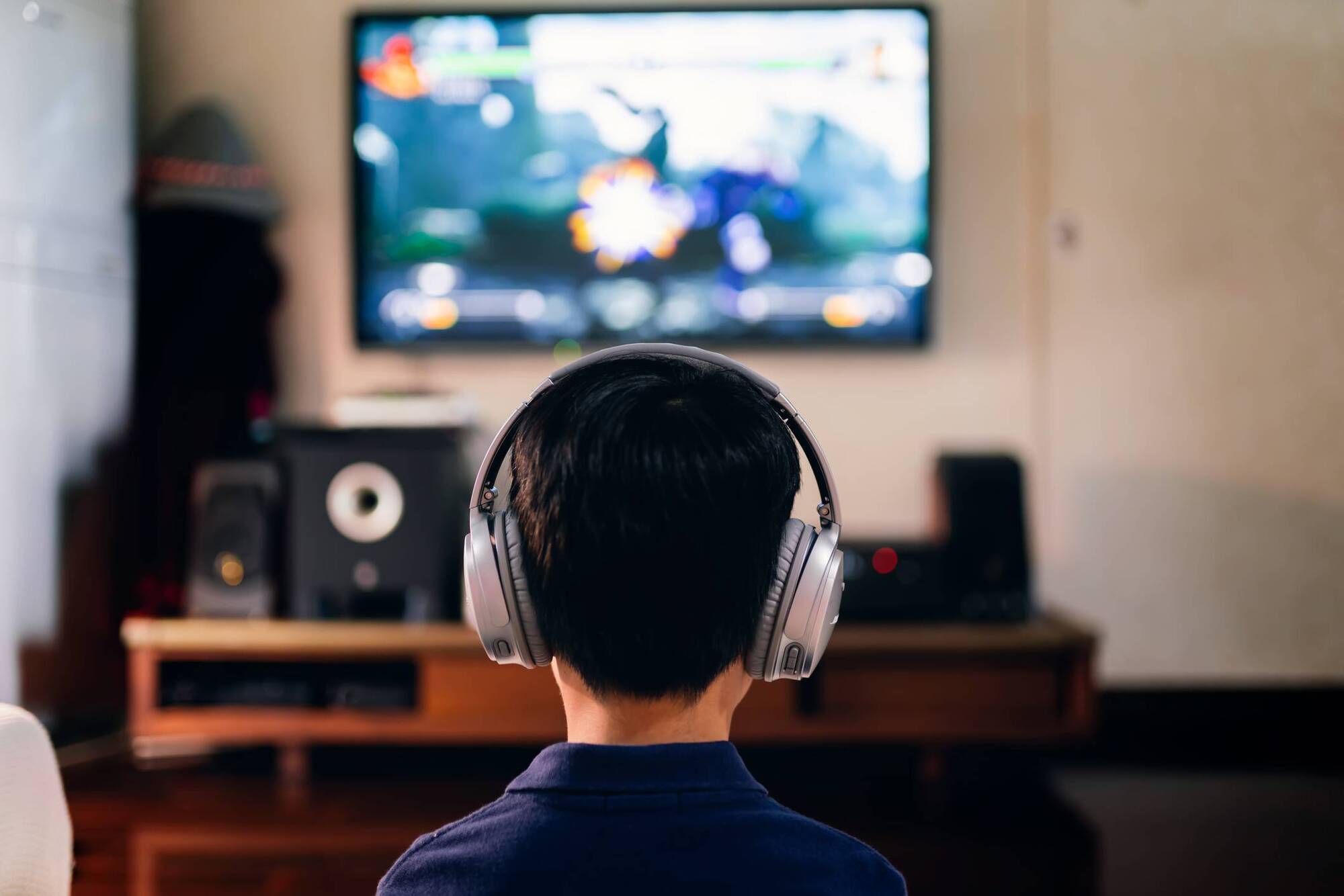
Joanna Fortune: My teenage son spends his free time gaming
Picture: iStock

Things that once captured their attention no longer do as they are drawn to new interests. This adjustment is quite healthy and a normal part of their development.
However it is also a time when the parental connection can become more difficult as you feel your teenager pull away from you and set their identity as ‘other’ than you.
Just because something is normal doesn’t mean it is an easy adjustment for us parents. We can get used to our children enjoying activities that we also enjoy or approve of and it can be difficult to see our children change from shared interests with us to developing interests we disapprove of or just don’t enjoy.
During this phase it is easy to start openly criticising and deriding their new interests as not worthwhile or a waste of time.
I wonder how any of us would feel if the people we love dismissed our interests as nonsense.
I suggest you become interested in what interests him. This teaches him that he is interesting. We want our teenagers to know that they are interesting and engaging and that we are always curious about them and their lives. Parents often tell me how little they know about their teen’s interest, whether gaming or reality television, but remember your child is an expert in their chosen field. So tell them you’d like to learn more about their interest and ask that they show, share or teach you.
You could ask for a spare head-set so that you can quietly observe the game he likes to play. Assure him you won’t intrude or distract him.
At the end or after 20 minutes or so ask if he can pause, thank him for letting you share the game with him and, when he is done, ask him questions about the game or if he would be up for teaching you how to play it so you can play it together. Perhaps there is a theme in the game, be that strategic or design or format, that highlights an interest of yours so that you can discuss, for example, architecture, interiors, war history, combat strategy or business analogy.
But it may be enough to simply play the game and enjoy or show interest in what he is doing.
My book covers the adjustments of adolescence and I also have a podcast episode on the topic, exa.mn/15-minute-teen
- If you have a question for child psychotherapist Joanna Fortune please send it to parenting@examiner.ie


CONNECT WITH US TODAY



Be the first to know the latest news and updates