Joanna Fortune: My teenage daughter does not want to accept her Asperger's diagnosis
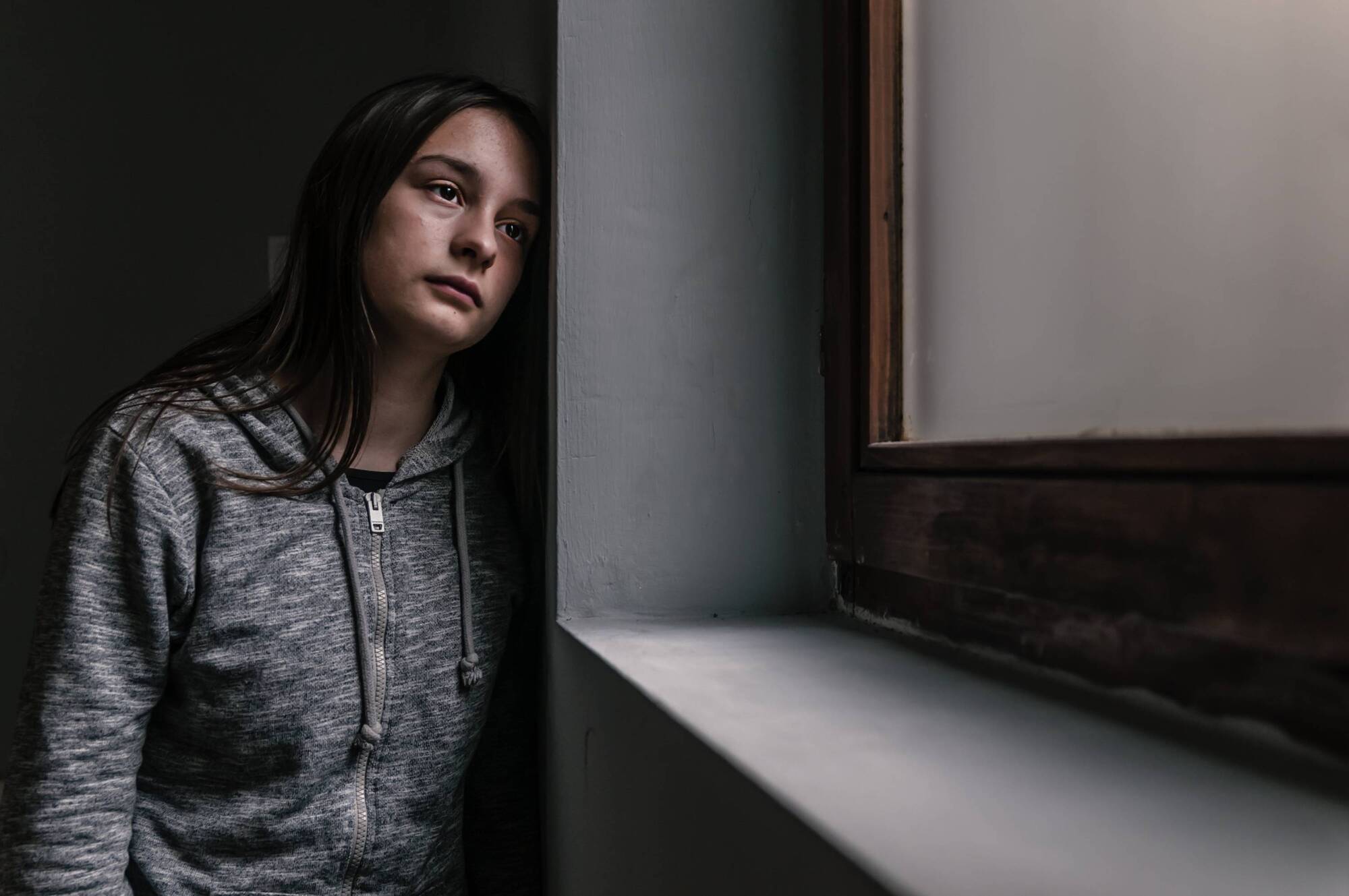
My 17-year-old (nearly 18 years) daughter has Asperger’s. However, she will not accept the diagnosis she has known since she was eight years old

I wonder if your daughter has ever said how she feels about her diagnosis? While she has thus far declined to engage with the psychologist, at least she knows professional support is available, so try to keep that door open without forcing it.
In other words, gently reflect that there is a space for her to talk, think and work through her feelings with you at home and with the kind psychologist she has already met.
People react very differently to a diagnosis, and none are right or wrong. Some people find relief and feel that the things they have struggled with for years suddenly make sense, and others might experience shame and see it as a limitation or confirmation of their difference from others.
I would always advise that both parents and the young person take time to make sense of any diagnosis by learning about it. I would strongly recommend the resources offered on asiam.ie.
And socialthinking.com, Michelle Garcia-Winner’s resource website, which includes links to her books and YouTube talks. These resources are helpful for you as a parent as well as your teenager. Take time to resource yourself first so that you can continue to resource and support your daughter.
It might be worth linking with local CAMHS (Child and Adolescent Mental Health Services) to enquire about peer support through social groups for teenagers with a similar diagnosis.
I wonder if your daughter’s resistance to the diagnosis is that she doesn’t want to be identified with it. If this is the case, it is essential she is reassured that she is not the diagnosis but is a person with a diagnosis and that her diagnosis reflects how she experiences the world without seeking to limit her experiences.
Some teenagers can find it hard to receive and accept advice directly from parents at this age. Perhaps she could follow someone like Adam Harris, who founded AsIAm and writer Stefanie Preissner (Instagram @stefaniepreissner), who both live with similar diagnoses and are very open and helpful in sharing their experiences.
Give your daughter the space to find her way to information and support on her terms, as this will give her a sense of autonomy and empower her to ask questions.
In the meantime, keep holding a space for her to do so and invest in your connection with your daughter, have fun together when and how you can and let her know how much she is loved, accepted and enjoyed.
- If you have a question for child psychotherapist Joanna Fortune, please send it to parenting@examiner.ie
CONNECT WITH US TODAY



Be the first to know the latest news and updates