Colman Noctor: Exclusion is a difficult form of bullying to tackle 
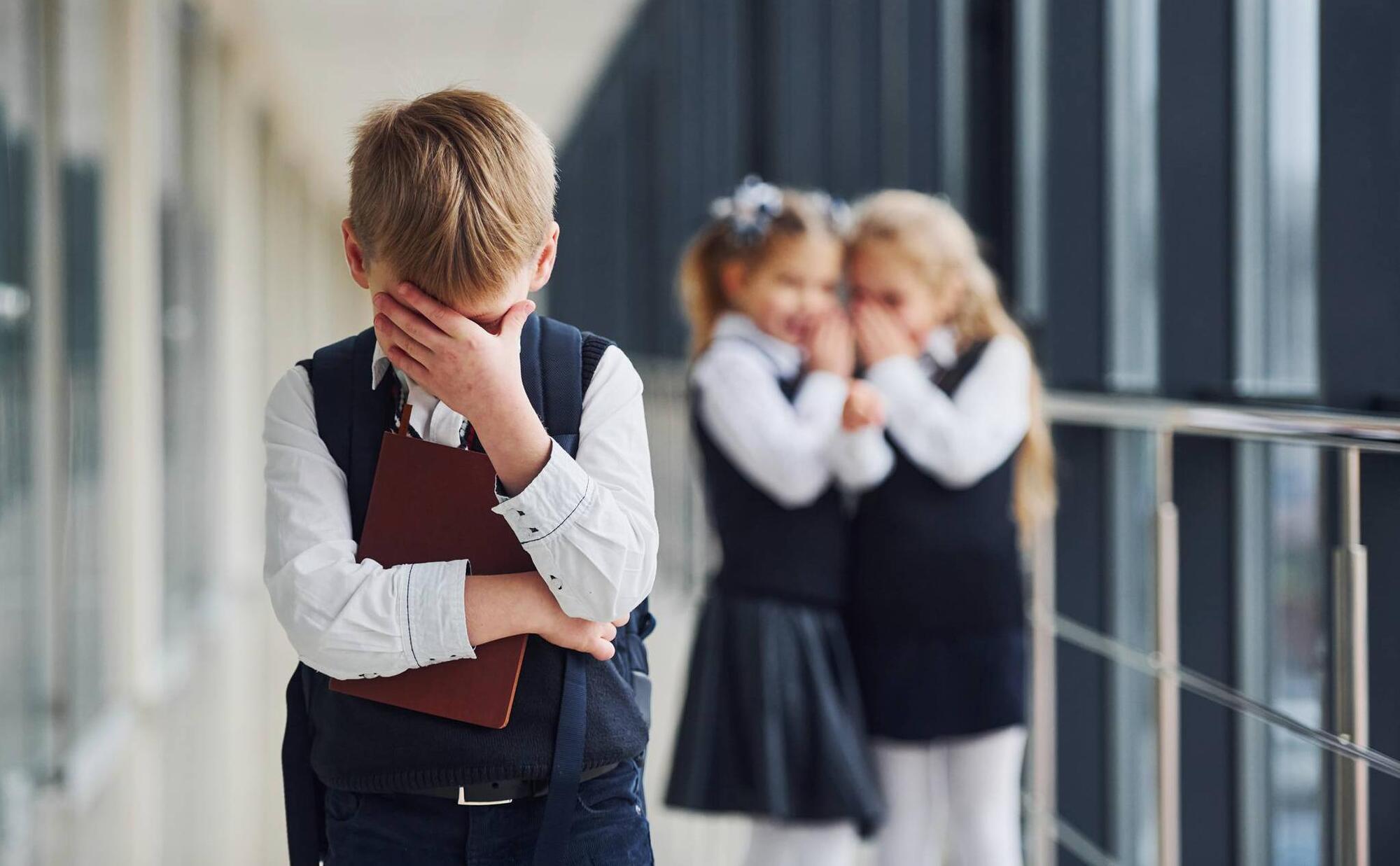
If one child is excluding another child, it is the parents’ responsibility to explain how unacceptable that is and to do everything they can to ensure it does not continue
Colman Noctor: Exclusion is a difficult form of bullying to tackle 

About eight out of every ten young people I see for therapy report experiences of bullying. Picture: iStock 

On December 1, Minister for Education Norma Foley TD launched ‘Cineáltas: An Action Plan on Bullying’. The initiative is dedicated to preventing and addressing bullying, cyberbullying, racism, gender identity bullying or sexual harassment in schools.

It is not the first one of this kind. A previous action plan on bullying was published in 2013 but had little impact on reducing the instances of bullying among Irish children.

About eight out of every ten young people I see for therapy report experiences of bullying. In almost all cases, these experiences decimate their self-worth and self-belief, contributing directly to anxiety, depression, eating difficulties and suicidal thoughts.

There is no easy fix for bullying. Because every response has potential benefits and risks, it becomes a lottery as to what interventions work and what ones backfire. For some children, the situation is made worse by parents or teachers getting involved. 

And light-touch management, like having a word with the class, often has little or no impact.

One key benefit of the Cineáltas action plan is the introduction of a national database which will lead to an annual report on bullying in schools, helping to identify blackspots and where supports are needed. 

There is also a commitment to provide all school staff with the knowledge and skills to prevent and address bullying (a pilot scheme offering counselling support in some primary schools is also being discussed.) A Cineáltas flag will be awarded to schools that engage in measures to tackle bullying.

One of the more novel aspects of the plan is establishing a dedicated unit in the Department of Education to ensure children and young people have meaningful input into the development of departmental policy. 

This is a welcome development, as the child’s voice is often completely overlooked in large-scale decision-making.

Frozen out

In a government press release, Minister Foley said the Cineáltas initiative will work towards creating a diverse, inclusive Irish society free from bullying in all its forms and where individual difference is valued and celebrated. 

The aim she said is to “provide schools with the tools necessary to target and tackle cyberbullying, racism, gender identity bullying or sexual harassment, among other areas”.

While these aspirations are laudable, there is no reference in the action plan to exclusion as a form of bullying. 

While overt bullying and physical attacks are tangible, and it’s clear a response is needed, the silent impact of exclusion and strategic isolation is far more difficult to address. While I understand it is impossible to demand that a group of children include another child, there must be more scope to manage this harmful dynamic.

An inclusive culture in a school or organisation should not be an exception - it should be a requirement. 

The impact of social exclusion and subtle, insidious bullying is far-reaching and long-term. I repeatedly hear of children actively ignored or frozen out of a friendship group for no apparent reason.

Children from early primary school age to early adulthood report the devastating effect of exclusion. Typically this involves a powerful group member who dictates to others to ignore and not engage with the victim. The child, in most cases a girl, becomes an outcast. 

Others are reluctant to engage with the ostracised child, fearing the group leader will exclude them. The enduring nature of this form of bullying can have a significant negative impact on the child’s ability to form trusting relationships, and the feeling of vulnerability often leads to longer-term mental health issues.

Exclusive culture

As a psychotherapist, I am often left with no other option than to suggest parents make an effort to help the child ‘find their tribe’ outside of the school environment. There needs to be a better way to tackle exclusion-based bullying other than sending a child elsewhere to try to find a sense of belonging.

As long as schools award the brightest and sportiest students, we are aiding and abetting an exclusive culture. Having an award for someone who stood up for another young person who was having a hard time or acknowledging a young person who demonstrated high moral fibre would clearly communicate a school’s inclusivity policy.

Along with schools taking responsibility for developing an inclusive culture, we as parents also play a critical role. We must constantly convey to our children the importance of being inclusive and looking out for vulnerable members of a social community. 

We need to make it cool to be upstanding and advocate for those who are being excluded.

We set the standard of what our children value, yet we often fall short. We can become consumed by our children’s grades, sporting achievements and social popularity to the point where we overlook their social conscience. 

Parents need to be more proactive in calling out exclusive behaviours and promoting inclusive ones.

If it comes up on their radar that their child is excluding another child, then it is their responsibility to point out how unacceptable that is and to do everything they can to ensure it does not continue. 

To adopt the attitude, ‘my Johnny wouldn’t do that’ and ignoring what is happening makes the parent complicit.

To meaningfully address bullying and exclusion issues, we need to address culture. A policy on a wall is not enough. 

To quote educator Peter Drucker: culture eats policy for breakfast. 

In addition to the Cineáltas initiative, perhaps a cultural movement that not only promotes the notion of inclusivity but demands it as a requirement and standard would be an effective way of managing bullying and protecting the mental health needs of countless Irish children.

  • Dr Colman Noctor is a child psychotherapist

More in this section

Cookie Policy Privacy Policy Brand Safety FAQ Help Contact Us Terms and Conditions

© Examiner Echo Group Limited