Colman Noctor : Teaching children to choose kindness in a 'me first' world
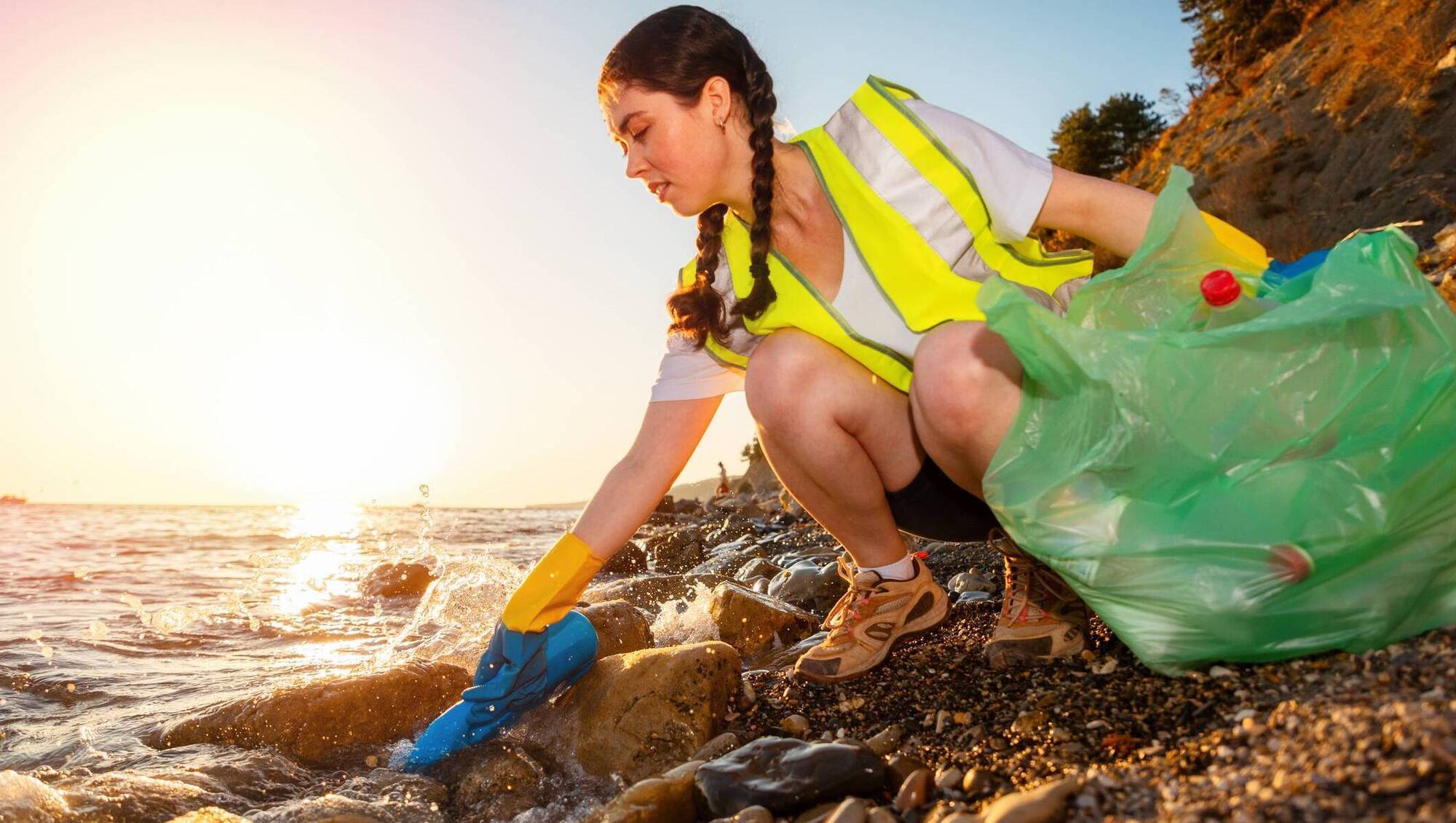
Taking part in organised voluntary work gives children a first-hand experience of giving back â like joining a beach clean-up, above, or collecting for a local food bank. They are not just acts of kindness â they are ways to build identity. Picture: iStock
I WORRY that kindness has shifted from being an instinct to a conscious decision. This change may be because children now grow up in a culture that prioritises personal success, happiness, and achievement. While phrases like âput yourself firstâ, âfollow your dreamsâ, and âprotect your boundariesâ are all well-meaning, they are seldom balanced with simple, time-tested wisdom, such as âwe all need each otherâ.
We are experiencing a process of societal individualisation, in which our collective focus has shifted from âweâ to âmeâ. Over the past decade or so, I have noticed how childhood has become increasingly centred on competition, achievement, and personal identity. Sport involves winning, school is about grades, and activities focus on performance.
The other night at football training, a young lad helped me collect the cones after a drill unprompted, which I found quite surprising. Kindness hasnât gone away. Itâs just no longer woven as tightly into the fabric of daily life.
The unintended consequence of this process is that acts of kindness and service can seem optional rather than central to our lives. If helping doesnât always come with a reward, or service doesnât garner applause, it can be easily overlooked. And in a culture that constantly encourages children to stand out, I wonder whether we have forgotten to teach them to step in and care for others.
Understanding kindness can no longer be taken for granted; it needs to be taught intentionally. Research has shown that kindness and prosocial behaviour, which often develop in preschool, are not innate traits â they rely on developmental skills such as empathy, creativity, and secure relationships.
Kindness is a learned skill
Kindness is not just a personality trait â it is a skill that can be developed. While some may temperamentally lean towards kindness, if you do not practice it, it becomes difficult to embody it.
When discussing kindness with children, we often view it as something you either have or lack: âSheâs a kind childâ or âhe has a good heartâ. While these statements might be accurate, they can also be unhelpful. Kindness is not fixed â it is developed through practice, reinforced through repetition, and it grows when it is consistently modelled.
Children learn kindness in the same way they acquire any other skill: by observing us. They learn from how we speak to strangers, and they listen to the tone we use when discussing certain people. They absorb how we respond to othersâ mistakes, inconveniences, and differences. Through these observations, they understand whether kindness is reserved for those who âdeserveâ it, or whether itâs something we choose to do because it represents the person we aspire to be.
One of the most valuable lessons we can teach children is that kindness is not a sign of weakness â instead, it is a sign of inner strength.
We need to watch for a difference between performative and genuine kindness. A 2025 Italian study of adolescents (aged 15â19) distinguished âegocentric kindnessâ (self-serving) from âauthentic kindnessâ (genuine care), and found that egocentric kindness was associated with higher levels of lying and rule-breaking. In contrast, authentic kindness was associated with greater prosocial behaviour.
In some contexts, âbe kindâ becomes a social performance in which people publicly display kindness while privately judge, exclude, or attack others. This shift turns kindness into a brand rather than a sincere practice. In some online settings, the hashtag #BeKind is used to claim moral superiority, where small mistakes are treated as personal attacks, making the âbe kindâ person appear morally superior. The #BeKind message can also be used to silence legitimate concerns.
Children should not be taught to treat kindness as a moral high ground, as this undermines genuine compassion.
Building character
Children need to recognise that kindness extends beyond words to include acts of service, which act as the link between kindness and character.
This is where volunteering, either by working with a local charity or simply undertaking acts of kindness, becomes crucial. When a child shifts from feeling kindness to acting kindly, something changes internally. They begin to see themselves as someone capable of making a difference and realise that kindness doesnât require grand gestures â it can start small.
Simple acts like holding a door, helping a parent carry in their shopping, writing a thank-you note, reaching out to a lonely classmate, or helping set the table without being asked are all excellent examples of service that demonstrate genuine kindness.
In an individualised world, acts of service can feel counter-cultural, but they can shift the narrative from rights to responsibilities, and from entitlement to empathy.
Taking part in organised voluntary work gives children a first-hand experience of giving back. Visiting an elderly neighbour, helping with a tidy towns group, joining a beach clean-up, and collecting for a local food bank are not just acts of kindness; they are ways to build identity. A child who volunteers gradually stops asking, âWhat do I get?â and begins asking, âWho needs me?â, a potential life-changing shift.
Of course, we cannot force children to be kind. Compulsory kindness isnât kindness at all. But we do need to invite it, create space for it, recognise it, and make it part of family culture.
This transition can start by normalising acts of service in everyday life, teaching children that family life isnât just about consumption, entertainment, and schedules. Itâs also about contribution.
I have spoken extensively lately about how we need to foster the âvillageâ mentality in our communities, one that is rooted in contribution. The collective strength of any community depends on giving when possible and receiving when necessary. Contribution is essential for its proper functioning.
The best examples of this include how local GAA clubs rely on volunteers for coaching, fundraising, and maintaining the grounds. Here, players, families, and supporters contribute when they can, and in return, the club provides identity, support, and community for all. Another example is how, in rural communities, when there is a funeral, people provide sandwiches, direct funeral traffic and step up when a family is struggling with grief, trusting that the same support will be there if they ever need it.
Involve kids in decisions
We can involve children in identifying which groups might benefit from our kindness. During the recent Late Late Toy Show, my children and I decided to donate in response to the call for contributions.
The older two agreed to transfer a small amount of money from their junior accounts to my account, and the youngest gave me a small sum from his recently accrued birthday fund, which I then donated on our collective behalf. This gesture involved my children in the decision of whom to help, and I hope that by doing so, they will care more.
Let them see behind the scenes of need, in age-appropriate ways. Talk about loneliness, poverty, illness, and isolation not as frightening concepts but as real parts of the human experience.
For example, talking to a very young child about poverty could involve saying something like âsome families donât have as much money, so they need help with things like food or clothes. Thatâs why we help each other.â
Whereas with an older child, you might say, âPoverty means not having enough money for basic needs. Itâs not someoneâs fault, and help can make a big difference.â And with a teenager, you might say, âPoverty can be as much about inequitable systems as it is personal choices, which affects some peopleâs access to housing, health, and education.â
Children donât become anxious from knowing the world is imperfect. They become anxious when they feel powerless in the face of it.Â
Acts of service donât overburden them â they often give them a sense of power and influence.
Most families are hurried with overpacked schedules for children. As exhausted parents, it is difficult enough to also manage homework, dinner, baths, and bedtime, without adding âteach kindnessâ to an already overwhelming list.
Let them see you being kind to others, and sell the idea that being helpful makes you feel better. Kindness grows when it is relational, not abstract.
We must also explain that lending a helping hand isnât always fun. It can be boring. It can be awkward. It can be inconvenient.
But thatâs OK. Real-life compassion involves mild discomfort. Protecting children from all discomfort doesnât make them happy. It makes them brittle and unaware.
I recently attended parent-teacher meetings for two of my children, and the most important information I wanted to know about them is not âare they successful?â but âare they kind?â.
In an era of curated childhoods, polished performances and the quiet pressure of competitive parenting, kindness can seem like an unnecessary goal, but it is not. It forms the foundation of your childâs future relationships in workplaces and communities. A child who learns to serve others will develop into an adult who knows how to care.
If we want a society that bands together, we start at the dinner table, in the car, at bedtime conversations, and in the quiet, unnoticed acts of service.
In a few years, the children we teach to help others will be the ones who grow up knowing they are not alone, and that no one else should be either.
- Dr Colman Noctor is a child psychotherapist

Subscribe to access all of the Irish Examiner.
Try unlimited access from only âŹ1.50 a week
Already a subscriber? Sign in
CONNECT WITH US TODAY
Be the first to know the latest news and updates