Joanna Fortune: Should I be worried about my 12-year-old who has a boyfriend?
Picture: iStock

Emotional changes are evident in all children in the tween age group. However, they appear more pronounced in girls who tend to display more overt volatility in their moods. Some 12-year-olds seem to become pseudo-adolescent overnight, while others are still immersed in imaginative play. There is nothing wrong with either behaviour pattern - it is about how quickly the hormones kick off in some children over others.
In terms of their capacity to better understand and manage their emotional states, their strong mood swings can derail them in this regard. Physically they are changing (or not – either can be stressful), and they are trying to manage all that physical and emotional change.
Your daughter is a pre-teen and is starting to show early signs of adolescent development, which is normal at her age.
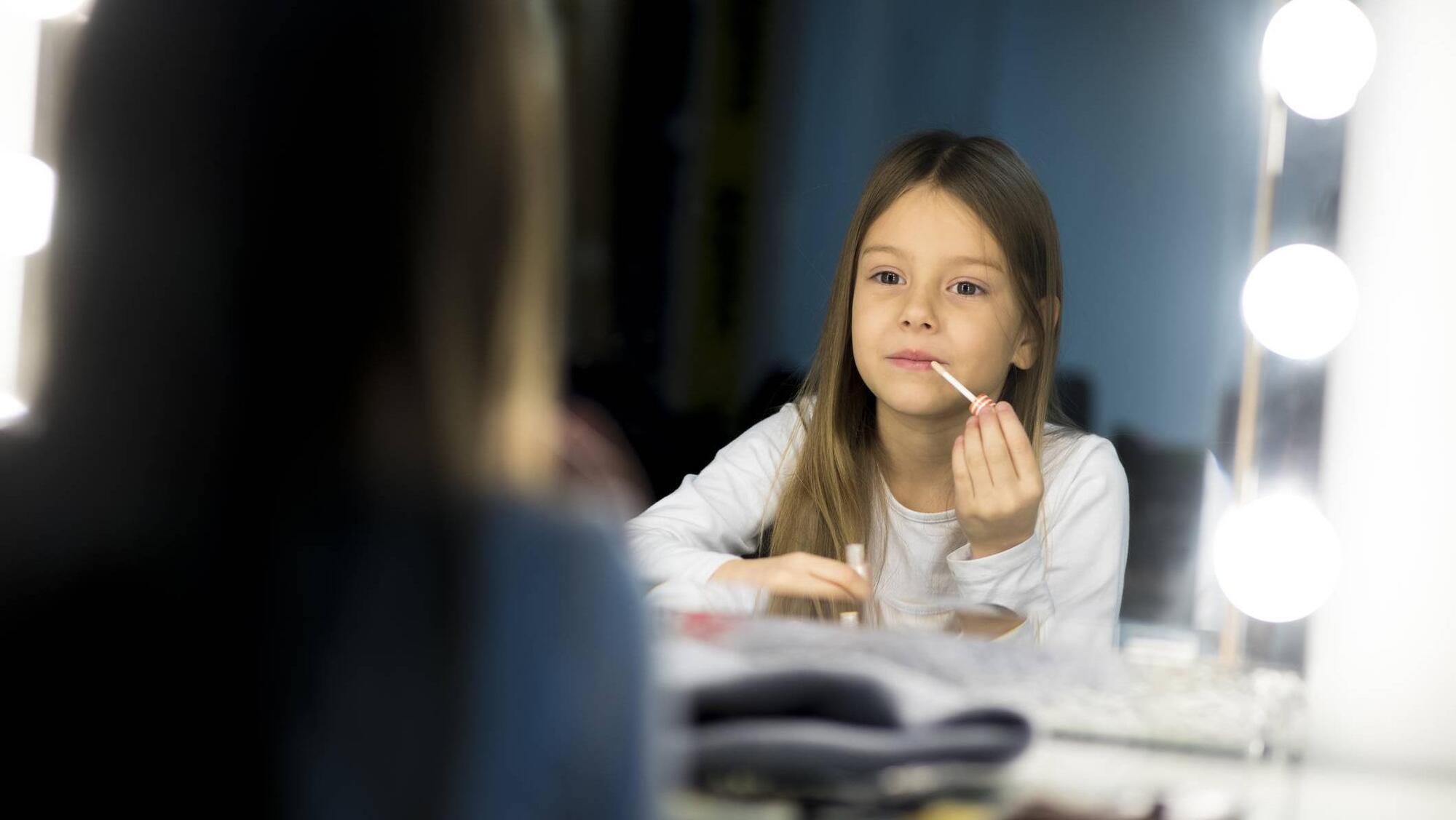
This is a time of experimenting with identity (taste in music, clothes, friends, dating, and physical appearance, including hair and make-up) to establish herself as other than the child she was. She is, of course, still your child, but she is growing up, and this is a time of pushing parental boundaries and testing limits as she develops a stronger sense of self, greater independence and a sense of agency.
She is also developing sexual interest, and it is certainly time to grow your growing-up conversation with her. Be interested, not intrusive, in her relationship - what she likes about this boy, how she feels when she is with him and if they enjoy being together.
Let her know that you see she is growing up, how proud you are of her and that you are always available to talk about personal, friendship and relationship matters whenever she wants. Talk about healthy relationships, respect, consent and body boundaries as well as sex, intimacy and keeping herself safe.
I do not think you need to be worried about her having a boyfriend in school. Still, it is a good time, developmentally, to re-establish clear boundaries and limits around how she can behave and your expectations of this new relationship in terms of friendship, respect, fun and safety.
This is a time to grow your parenting in line with your child’s growing up. Too often, we look at our children and lament how much they have changed when the onus is also on us to change in line with their growth and development.
Encourage her expression and exploration as best you can but within your parental boundaries.
15-Minute Parenting Podcast episode on parenting the Tween-Years: exa.mn/15-Minute-Twee
- If you have a question for child psychotherapist Joanna Fortune, please send it to parenting@examiner.ie
CONNECT WITH US TODAY



Be the first to know the latest news and updates