April arrivals: Cuckoo among signs of the advancing summer
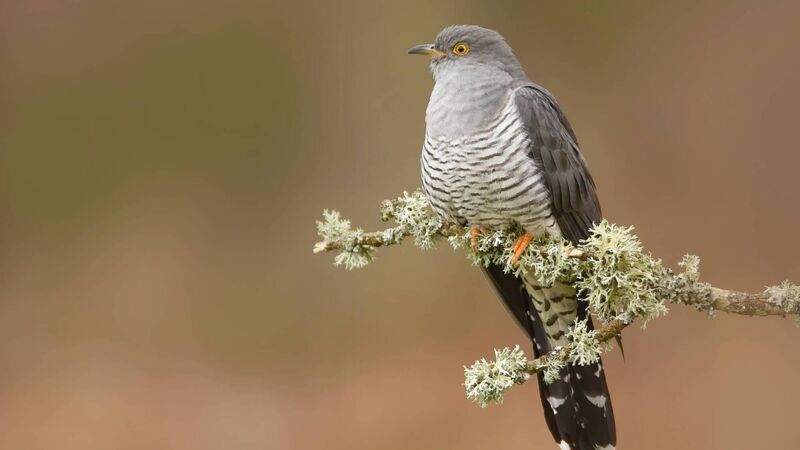
The cuckoo seems to be making landfall in Ireland earlier, following a perilous 10,000km journey from Africa. Last year, our first official sighting was reported in Ballygunner, Co Waterford, on April 2, a week earlier than in 2024.
Though we haven’t heard its welcome call at the time of writing, the cuckoo is probably here by now. A British Trust for Ornithology-tagged cuckoo has made history by crossing the Sahara in record time, arriving in Spain on March 25, the earliest recorded date.
And, the cuckoo also seems to be making landfall in Ireland earlier, following a perilous, 10,000km journey from Africa. Last year, our first official sighting was reported in Ballygunner, County Waterford, on April 2, a week earlier than in 2024. There were also sightings in counties Cork, Clare, Wexford and Donegal, some days later.
Climate change notwithstanding, some aspects of the seasons remain the same, as evidenced in the four, or five, warmer days towards the end of March. The country began to bloom, with plenty of new colour and growth adorning the landscape: like the cuckoo, omens of advancing summer.
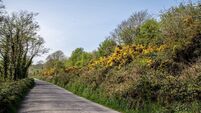
In West Cork, we saw bluebells around Innishannon; cowslips decorating ditches outside Clonakilty, and furze turning an even more vivid yellow along the Macroom bypass. Again, bluebells, as well as budding trees and unmistakeably-scented wild garlic, graced Killarney National Park.
Very quickly, it started to really feel like spring. Kinder weather lured people outdoors; taking notice of the miracles of nature all around them; enjoying renewed activity of wildlife; birdsong earlier in the morning and, later, well into dusk.
CLIMATE & SUSTAINABILITY HUB
Some over-wintering birds, like Brent geese, have left our shores, but many, regular spring/summer visitors are here. Swallows, swifts and house martins, are all getting busy during April. They winter in Africa and return to Ireland every spring where they nest, lay eggs and raise their chicks. Many of these nest sites are reused every year, in barns, sheds and the eaves of houses.
Also around now, the Green Schools organisation, which does tremendous work in promoting environmental activities in primary and post-primary schools, is upping activity.
Young people are urged to place a swift nest box outside their school, or house, or even to leave a free space like a shelf for swallows under the roofs of old sheds, or barns, with a gap for them to enter. These birds will not be attracted by bird feeders as they eat insects while flying.
Finally, on the cuckoo: even when you hear its echoing, clarion call, it’s almost impossible to pinpoint the bird’s exact location in the countryside, making it even more enigmatic. One reason, perhaps, for this cuckoo fascination!
Musing whether he should call it a bird, or a wandering voice, poet William Wordsworth observed:


CONNECT WITH US TODAY



Be the first to know the latest news and updates