Sky Matters: Artificial light at night is adversely affecting our planet
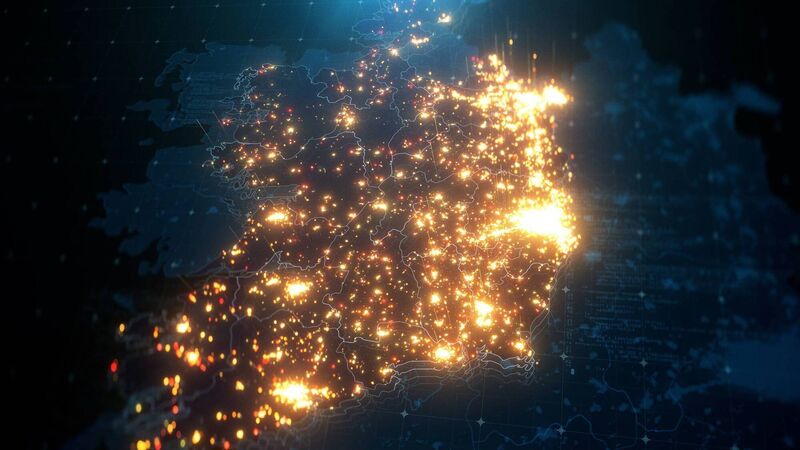
Artificial light which replicated the change from night to day in a fraction of a second, transformed our planet in a mere 100 years. Picture: iStock
During April we celebrate International Dark Sky Week from 13th – 20th of the month. It is a reminder that for most of our existence we have lived and evolved on a planet in which the rhythms of night and day were almost exclusively controlled by the spin of the Earth on its axis. The seasonal variations in brightness, from the long dark winter months to the long bright summer days, provided a reliable anchor against which flowers grew and insects flourished, simultaneously providing the foundations for the behaviour of all other life. From one day to the next the changes in the duration of light and dark were imperceptible. Within a day, the changes from light to dark were moderated only by passing clouds and perhaps the odd eclipse here and there lasting but a few minutes.
For 4 billion years our planet’s rhythm was unquestionable. Each day as the Sun descended lower towards the horizon before disappearing in the evening, or rose higher in the mornings, the enveloping darkening or brightening was unhurried. Our eyes evolved to this slow pace of change. Over periods of perhaps 20 minutes our eyes could easily and naturally switch from seeing bright colours in daylight to seeing much fainter structures at night, in black-and-white. This perfect adaptation was a natural consequence of the planet we live on and it was highly tuned to keeping us safe from predators lurking in the enveloping darkness.


CONNECT WITH US TODAY



Be the first to know the latest news and updates







Revoiced
Newsletter

Sign up to the best reads of the week from irishexaminer.com selected just for you.
Scene & Heard
Newsletter
Music, film art, culture, books and more from Munster and beyond.......curated weekly by the Irish Examiner Arts Editor.