Why do people keep a close eye on the weather around St Brigid’s Day?
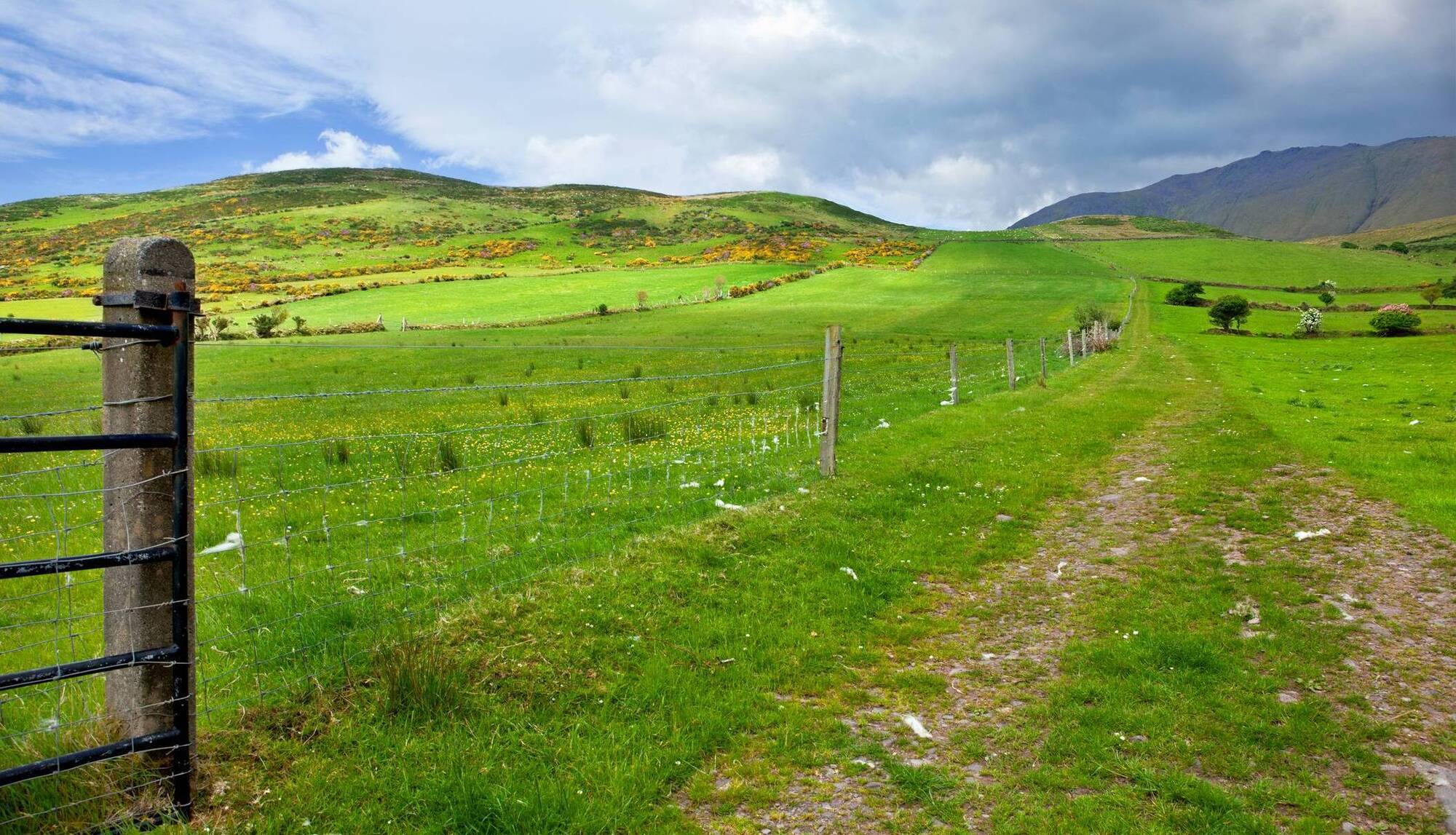
In keeping with recent warming trends, 663 plants and flowers were blooming at the turn of the year — not good news for some birds, insects and other animals, however, as the time of plant flowering might no longer be in sync with their life patterns. North Dingle peninsula near Mount Brandon, County Kerry
Country people have traditionally kept a close eye on the weather around St Brigid’s Day, February 1, also reading signs from it for how the elements would behave in the year ahead.
Being the first day of spring, the feast day marks an important turning point of the year, especially for farmers hoping for clement weather as they prepare to sow crops. On that account, their wish would be for rising temperatures and land drying out after winter.
In folklore, our second most venerated saint is said to have promised that every second day would be fine from her day onwards. She is thought to have died in 525AD when winters were much colder, often with prolonged spells of snow, in sharp contrast to today’s climate.
On that note, the Botanical Society of Britain and Ireland (BSBI) has announced the results of its annual new year plant hunt, on both sides of the Irish Sea, to find out which wildflowers are blooming in mid-winter and what that might mean for wildlife.
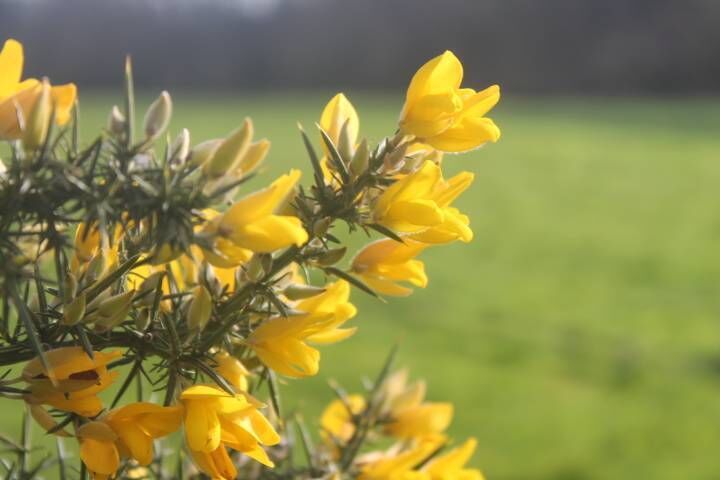
In keeping with recent warming trends, 663 plants and flowers were blooming at the turn of the year — not good news for some birds, insects and other animals, however, as the time of plant flowering might no longer be in sync with their life patterns.
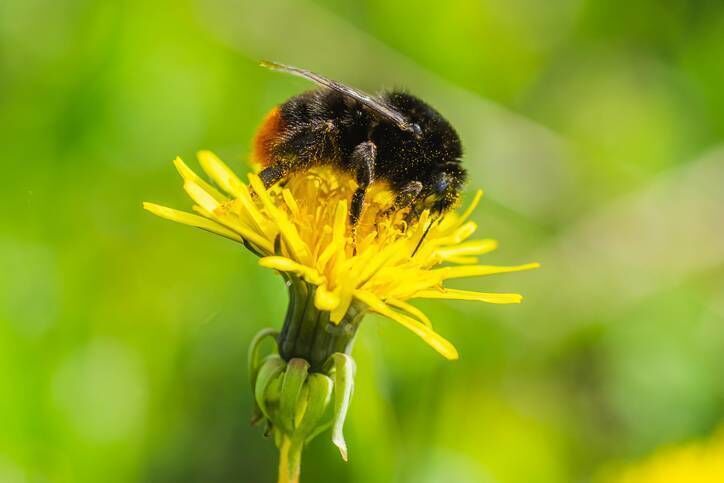
For instance, bees could emerge after plants have flowered, leaving them without food. On the other hand, hibernating animals might resurface too early after their long slumber, only to find their food is scarce.
Separately, recent research found Antarctic penguins are now breeding up to three weeks earlier. Chicks could be born when their food-producing prey is not yet available, which could be potentially fatal for young penguins.
In the plant hunt, dandelion was the most frequently recorded, with County Wexford to the fore, while daisy was also found widely from the Orkney Islands, in the north of Scotland, to the Dingle Peninsula.
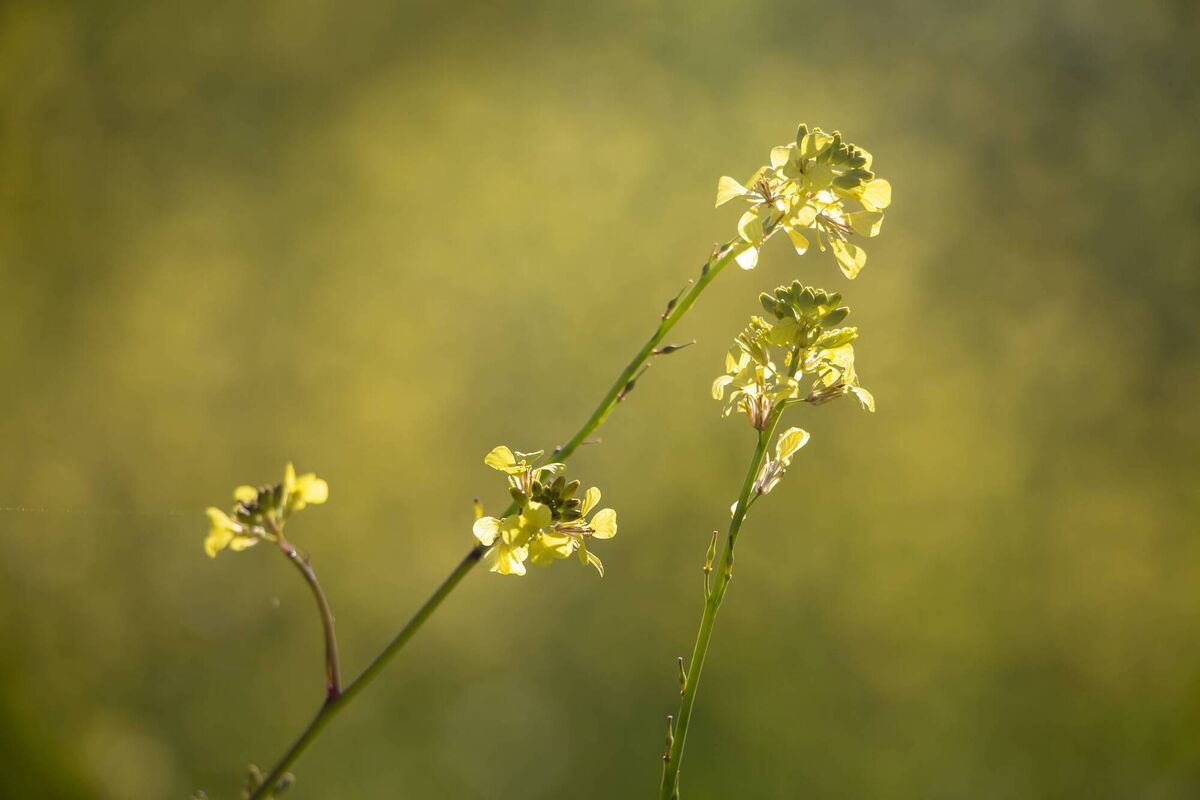
The Irish Wildlife Trust, which took part in the hunt on Bull Island, Dublin, and the Tralee-Fenit Greenway, in County Kerry, found more than 60 flowering plants including gorse, primrose, and bastard cabbage, which is native to much warmer climes.
Back to St Brigid, leading folklorist Kevin Danaher, said people believed that wind direction, on the eve of her feast, betokened the prevailing wind for the coming year. And, while the feast day itself should show signs of improving weather, an exceptionally fine day was regarded as an omen of poor weather.
“It was generally believed the saint travelled about the countryside on the eve of her festival, bestowing her blessing on the people and their livestock," he wrote.
CONNECT WITH US TODAY



Be the first to know the latest news and updates