Christmas pre-tinsel: when plants — and robins — ran the show
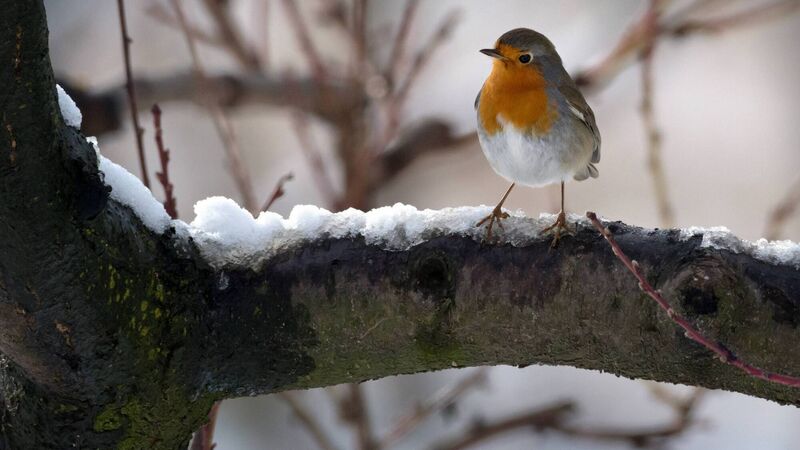
Unlike many birds, robins remain active through winter, defending territories and singing even on the shortest days of the year. Their presence in bleak winter gardens made them symbols of cheer and continuity.
Strip Christmas of its baubles, batteries and Amazon deliveries, and what you’re left with is, at heart, a festival of plants. Trees dragged indoors. Mistletoe hung from the ceiling. Berries admired but (wisely) not eaten.
Even our most beloved Christmas bird, the robin, owes its festive status not to religion, but to gardening, frost, and Victorian guilt.
Long before Christmas became synonymous with gift wrap and mince pies, it was a midwinter celebration rooted firmly in the natural world. At a time when days were shortest, food was scarce, and survival uncertain, evergreen plants became powerful symbols of hope, endurance and renewal. If a plant could stay green in December, surely humans could make it to spring.
Holly, ivy, yew and pine have all been associated with winter festivals for thousands of years.

In pre-Christian Europe, evergreen plants were brought into homes during the winter solstice as symbols of protection and life. The logic was simple. These plants had cracked winter. They didn’t drop their leaves until April.
- Holly, with its glossy leaves and bright red berries, became especially important. To ancient cultures, its sharp leaves symbolised protection, while its berries represented life and fertility. Later, Christian symbolism piled on: the red berries were said to represent Christ’s blood, and the spiky leaves the crown of thorns.
Holly thus managed the rare feat of being both pagan and Christian-approved. Essentially a botanical diplomatic success.
- Ivy, meanwhile, was associated with fidelity and resilience, clinging stubbornly to walls and trees through winter storms. It also had a slightly rebellious reputation, often growing where it wasn’t invited. In medieval times, there were even arguments over whether holly or ivy should dominate Christmas decorations.
The Christmas tree, now the undisputed centrepiece of festive décor, is a relatively recent arrival. While evergreen trees were revered across Europe, the tradition of decorating a full tree indoors began in Germany in the 16th century. These early trees were adorned with apples, nuts and candles. A charming but deeply flammable aesthetic.

The custom reached Britain and Ireland because of Queen Victoria and Prince Albert. You read that correctly. When an illustration of the royal family gathered around a decorated tree appeared in the in 1848, the Christmas tree went viral by Victorian standards. If it was good enough for the Queen, it was good enough for everyone else.
From a botanical perspective, the Christmas tree’s appeal is obvious. Conifers are evergreen, aromatic, symmetrical and, crucially, willing to tolerate being dragged indoors and decorated like a disco shrub.
No Christmas plant has a reputation quite like mistletoe. Associated with kissing, fertility and peace, this unassuming clump of greenery is, botanically speaking, a parasite. Mistletoe grows on trees, tapping into their water and nutrient supply while photosynthesising just enough to pretend it’s independent.
Its mystical reputation dates back to the Druids, who believed mistletoe had healing powers and symbolised life suspended between heaven and earth. Later traditions added rules about kissing beneath it, though these varied widely. Historically, mistletoe was more about reconciliation and goodwill than romance, which might explain why it remains strategically positioned in doorways during family gatherings.
Among all these plants, one animal has perched itself firmly into Christmas iconography: the robin.

Unlike many birds, robins remain active through winter, defending territories and singing even on the shortest days of the year. Their presence in bleak winter gardens made them symbols of cheer and continuity. But the robin’s Christmas fame owes much to Victorian postal workers. In the 19th century, postmen wore red tunics and were nicknamed 'robins'. Christmas cards often depicted these 'robins' delivering festive post... and over time the bird replaced the human.
There are also older folk tales linking robins to kindness and sacrifice, including stories of robins warming the baby Jesus or staining their breasts red while tending fires for the poor.
Whether you prefer folklore or postal history, the result is the same: a small, round bird with a red chest now symbolises Christmas spirit and mild judgement as it watches you forget to refill the bird feeder.

What all these symbols share is survival. Evergreen leaves that refuse to drop, berries that blaze red against grey skies, parasitic plants that stubbornly cling on, and robins that keep singing. Christmas is, at its core, a celebration of making it through winter. Long before fairy lights and heat pumps, people looked to plants and animals for reassurance that life hadn’t packed it in entirely.
So, when you drag a tree into your living room, hang holly with reckless abandon, or lock eyes with a robin judging your bird-feeding efforts, you’re taking part in a very old tradition.
It’s a quiet, slightly chaotic thank-you to the natural world and to the generations before us. People who got through dark winters with fewer comforts, fewer distractions, and somehow decided that sticking berries on the door was exactly what the season needed.
Happy Christmas everyone.