We continue to get reports of how more people have come to notice nature since the start of the epidemic. Birdwatch confirms that the highest number of people ever took part in its annual garden bird survey, up by 1,000 on the previous year. Volunteers are now being sought for a new survey.
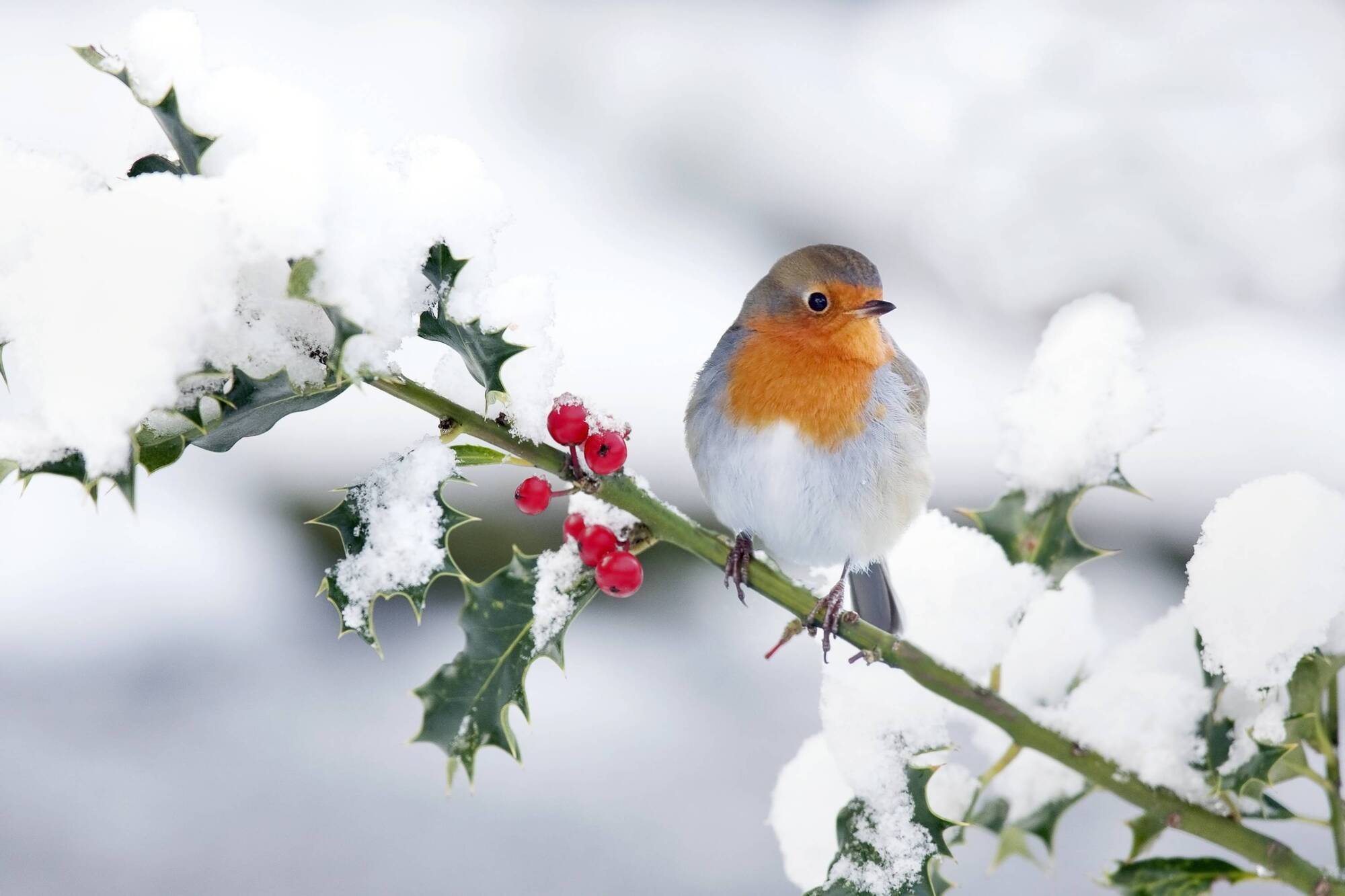
Survey coordinator Brian Burke says birds gave people comfort and distraction during the lockdown which also resulted in a new-found appreciation of nature. The robin heads the list, seen in 99% of gardens, according to the survey.
In keeping with a tradition dating to early Victorian times, the robin continues to pop up on Christmas cards, but this is a bird we have year-round.
By no means shy, it can even seem cheeky and is known to hop inside people’s doors. And when you’re digging the garden, it can also come close in search of worms. The robin appears to have little fear of people, which contrasts with its attitude to other birds. Highly territorial and a doughty defender of its patch, it is not afraid to chase away avian intruders.
A huge amount of folklore surrounds the robin. There was a widespread belief until fairly recent times that if one came inside your door, it was a sign of an imminent death in the family.
I knew some elderly people, years ago, who were convinced of that.
Regarded as the most blessed of birds, the robin is said to have picked a thorn from the head of the dying Christ on the cross.
The story goes that a drop of blood fell on its breast, the mark of which still remains.
All of which is related by Nora O’Neill, then a pupil in Drimoleague National School, Co Cork, and others in the schools’ folk collection from the late 1930s.
The robin nests near the base of a hedge, or a ditch, and Nora said the nest is easy to find because the little bird flies out if a person is passing by. It was a time when children kept an eye on birds’ nests as they walked to and from school.
Similar stories come from Dromahair, Co Leitrim, with Annie Gillmore reporting everyone loved the robin. “In the winter, robins come in to our school and they come into our homes. They become very tame,” she said.
A local man named Tommy had two pet robins which had their nests in the thatch. They would come hopping into the kitchen, then perching on the chairs and table and even on Tommy’s shoulder.
The robin also features in placenames. We have, for example, Tir na Spideoige (land of the robins), in the Gaeltacht area of Ballingeary, Co Cork.

Subscribe to access all of the Irish Examiner.
Try unlimited access from only €1.50 a week
Already a subscriber? Sign in
CONNECT WITH US TODAY
Be the first to know the latest news and updates