Increase in bear attacks in Japan
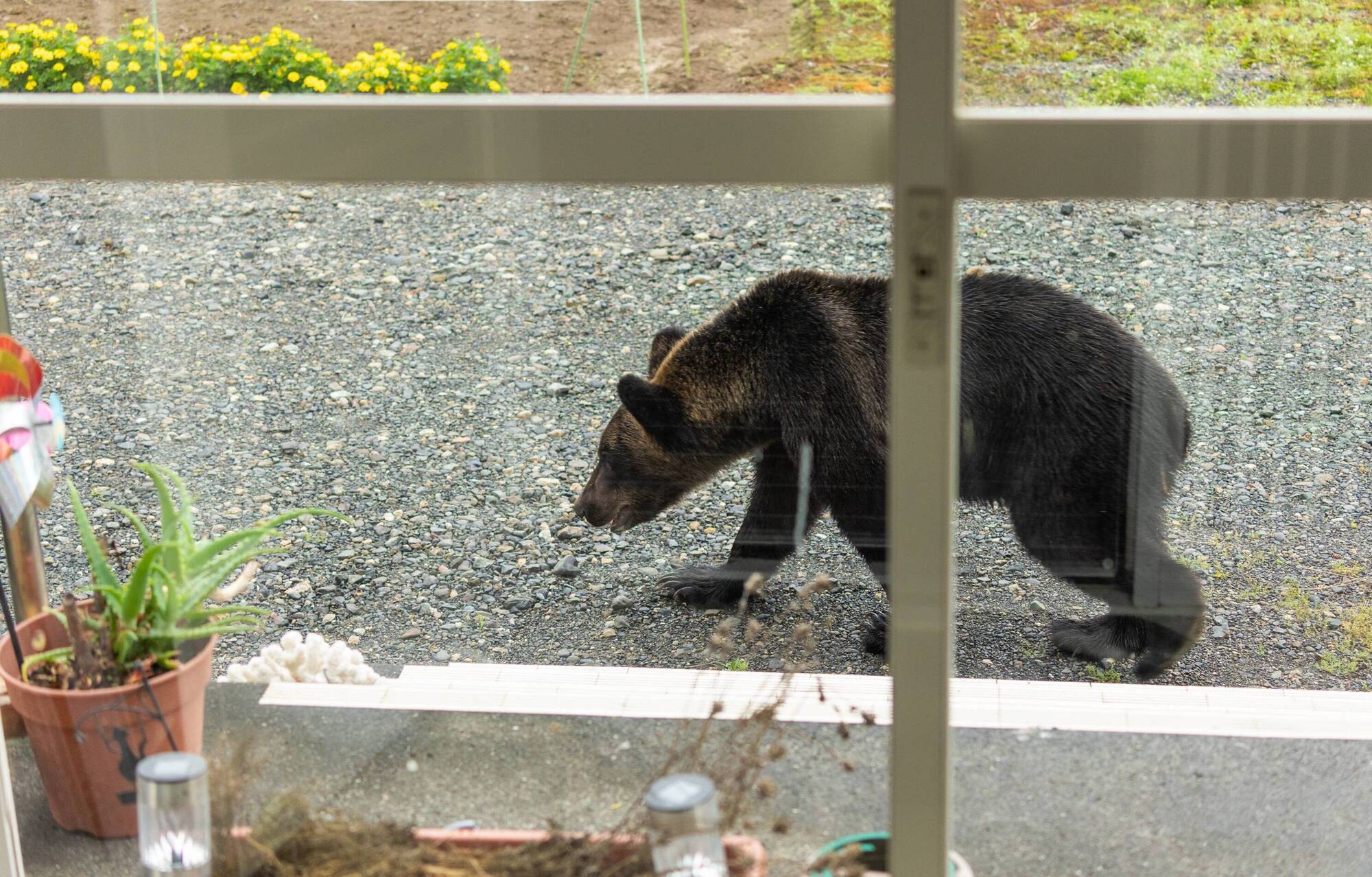
One theory is that trees may be to blame — a lean crop of seeds and nuts may be forcing hungry bears into human habitats in search of food
Increase in bear attacks in Japan

A brown bear (Higuma) sighted at a house entrance from inside. Attacks have been on the rise in Hokkaido, Japan recently

And the lean-fleshed kine did eat the seven fat kine — Genesis 41

According to Japan’s Environment Ministry, bears killed 13 people and injured hundreds there during 2025.

The year’s casualty figures are the highest since recording began in 2006. The army and surveillance drones are being deployed to protect members of the public.

Two bear species are implicated:

— The smaller one, known as the ‘moon bear’ from the white crescent-shaped patch on its breast, is closely related to the black bear of North America. Male ‘moons’ can weigh up to 200kg. They are found in areas with large human populations, which may help explain why attacks by them are common.

A 'moon bear' can weigh up to 200kg

— The other Japanese bear is much larger. Known as the ‘black grizzly’, it is almost as big the Kodiac subspecies of Alaska... the world’s largest. A male black grizzly, captured in 2015, weighed 400kg. Living on Hokkaido, the most northerly and least populated of Japan’s four large islands, it attacks people rarely. However, assaults are lethal and often fatal.

The brown bears of Europe and Asia are of the same species as the black grizzly. A European brown may attack people if persecuted, or injured, by hunters. Although the same can’t be said of the brown’s closest relative, the polar bear, which likes to dine on human flesh, attacks by unprovoked brown bears are rare. Encounters over the millennia have taught browns to give us a wide berth.

Why then are there so many incidents in Japan?

According to one theory, trees may be to blame. Like many other forest dwellers, bears feed on oak and beech nuts. To protect their seeds from being eaten, trees resort to ‘masting’. Cooperating with each other, the trees throughout an area produce few seeds over several seasons. Seed-eating birds and mammals, including bears, then face lean times. Food shortage leads to poor physical condition, even starvation. Seed-eaters breed less successfully, or not at all, and their overall numbers are reduced.

Then, in a ‘mast’ year, the trees all produce a bumper crop together. A super abundance of seeds is suddenly available, but the years of famine having reduced numbers, there are fewer mammals and birds to avail of the bonanza. More seeds survive and go on to germinate.

Are wild berry and mast shortages forcing hungry Japanese bears to draw closer to human habitation searching for food?

Like Pharaoh’s lean ‘kine’, some of these opportunistic omnivores may attack people. Having gorged itself once on human flesh, a hungry bear is tempted to attack such easy targets again.

Was this once an Irish problem?

Brown bears were common in Ireland up to Bronze Age times. We know they were here because, hibernating in caves such as Aillwee in County Clare, some died during the long winter sleep, leaving their bones to intrigue archaeologists.

Campfires kept dangerous beasts at bay back then, but heading into the forest to gather firewood and fruit, Stone and Bronze-age people probably took their lives in their hands. With no surveillance drones firearms or rapid-response units to protect them, bone-tipped spears, wooden arrows, hyper-vigilance, and a knowledge of the ways of bears were the only security.

x

More in this section

Revoiced

Newsletter

Sign up to the best reads of the week from irishexaminer.com selected just for you.

Cookie Policy Privacy Policy Brand Safety FAQ Help Contact Us Terms and Conditions

© Examiner Echo Group Limited