A pest or a prince — is it all down to postcodes?
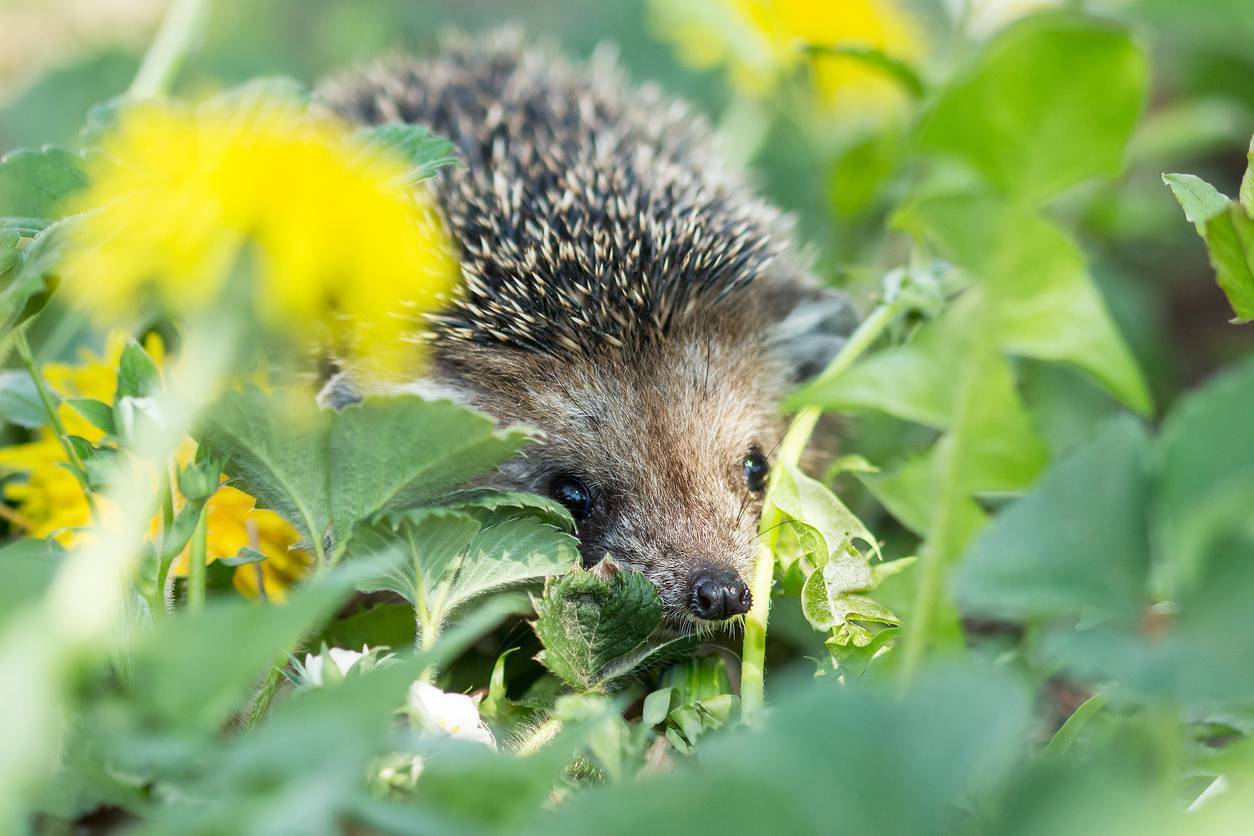
The conservation–invasion paradox is when a species is endangered where it evolved but causes havoc where humans introduced it. So why can't we just bring unwanted animals to where they're wanted?
A pest or a prince — is it all down to postcodes?

Introduced to New Zealand by European settlers in the 19th century to remind themselves of home, hedgehogs found themselves in a paradise free of natural predators and bursting with ground-nesting birds, wētā (insects), lizards and invertebrates. They adapted well... too well

If ecology had its own comedy genre, it would surely be irony.

Let’s take the European rabbit. In Australia, they’re the four-legged embodiment of pestilence; they are crop destroyers, soil gougers, and the reason government departments own entire warehouses of poison. They’ve been fenced out, fenced in, virus-bombed, shot and demonised in folklore.

Yet back in their native Spain and Portugal, rabbits are practically treated like royalty. Conservationists build burrow bungalows, hand-rear orphaned kits and fret over every fluctuation in their dwindling numbers. Same species, but wildly different headlines.

Welcome to the conservation–invasion paradox; the ecological plot twist in which a species is endangered where it evolved, yet causes havoc where humans introduced it.

And it raises an irresistible question, if we’re exterminating them in one country and cherishing them in another, could we simply ship a few of the 'pests' back home?

The hedgehog

Few animals have a better public relations team than the hedgehog. In Europe, they’re beloved garden helpers and the unofficial mascot of the Irish countryside, despite not being native. They’re declining due to habitat fragmentation, road deaths and the usual suite of human disturbances. In Britain, wildlife groups organise hedgehog highways and slow-speed campaigns to keep them safe.

Hedgehog eating an egg. Image credit: Experience Pūrangi / PredatorfreeNZ.org

Now teleport that same hedgehog to New Zealand. Suddenly, the national treasure becomes a tiny ecological wrecking ball. Introduced by European settlers in the 19th century to remind themselves of home, hedgehogs found themselves in a paradise free of natural predators and bursting with ground-nesting birds, wētā (insects), lizards and invertebrates. They adapted well, too well.

Hedgehog detection dog, Zach. Image credit: Te Manahuna Aoraki / predatorfreenz.org

Today, hedgehogs in New Zealand’s South Island high country have been recorded at densities far higher than anything seen in Europe, gobbling the eggs of endangered birds such as dotterels and wrybills, raiding nests like prickly burglars, and hoovering up native insects with alarming efficiency. It’s the same animal. The same spines. Entirely different role in the ecosystem.

The koala

Koalas offer another delicious paradox.

On mainland Australia, koalas are threatened by habitat loss, heatwaves, wildfires, disease and dog attacks. Many populations are officially listed as 'Vulnerable', and conservation groups campaign passionately for their protection.

Female koalas generally start breeding at about three or four years of age, usually producing one offspring each year

But drop those same koalas onto predator-free islands, where humans translocated them decades ago as a conservation insurance policy, and the story flips.

Without predators and with endless eucalyptus, koalas become overbrowsing machines, stripping forests bare and collapsing tree canopies. Land managers have resorted to dart guns filled with contraceptives and occasional relocations to stop them destroying their adopted home.

While koalas are adored in one postcode, they're problematically plentiful in another.

The European rabbit

Back to the rabbit. In Iberia, rabbits underpin the entire Mediterranean food web. The critically endangered Iberian lynx and Spanish imperial eagle rely on them. But disease (myxomatosis, RHD) and habitat loss have gutted their native populations.

Rabbits around a waterhole during myxomatosis trials, Wardang Island, South Australia, 1938. National Archives of Australia A1200, L44186

In Australia and New Zealand, by contrast, you could be forgiven for thinking the rabbit is the region’s dominant life form. At times, the density has been so high that landscapes have resembled lunar surfaces from overgrazing.

The arapaima

Meanwhile, the Amazonian giant arapaima, overfished and declining in its native rivers, has been introduced to parts of Peru and Bolivia, where it is now thriving, expanding and powering new commercial fisheries. In one basin it’s a conservation concern. In another it’s an ecological upstart.

Two Arapaima fish in the Amazon

So… can we use 'pests' as 'conservation lifeboats'?

It’s an appealing idea. You’re culling hedgehogs in New Zealand to save native birds; Europe is begging for more hedgehogs. Australia is drowning in rabbits; Spain needs rabbits to save its lynx. Why not pair the problems?

In conservation biology, we already move animals extensively through reintroductions (like beavers returning to Europe), genetic rescue (like the Florida panther) and assisted colonisation to future climate refuges. The technical skills exist. The ecological logic can be compelling. And yet we almost never send 'invasive' populations back home. Why?

Why it’s not that simple

Picture trying to scoop up a few hedgehogs from New Zealand (plump, confident, and full of stolen bird eggs) and release them into a sleepy Irish hedgerow. The first problem you’d hit is disease. Animals living abroad collect new parasites and pathogens like travellers collecting fridge magnets. One wrong pathogen in a returning hedgehog and you’ve accidentally triggered a conservation disaster.

Then genetics gets in the way. Invasive populations usually begin with a tiny founder group, which means they may be inbred, oddly adapted, or fine-tuned to their adopted landscape rather than the place they originally evolved. A rabbit shaped by Australia’s drought and pastureland isn’t necessarily fit for the intricate, predator-rich ecosystems of Iberia.

Even if they’re healthy and genetically sound, the home landscape may no longer recognise them. The habitats species evolved in (woodlands, shrublands, meadows) have been paved, fenced, tidied or fragmented. The idea that a hedgehog thriving in New Zealand’s alpine grasslands would slot neatly back into suburban Surrey or rural Rosscarbery is more wishful than scientific.

Then comes the politics.

No minister wants to explain why their government spent millions wiping out rabbits only to apply for a permit to export them as endangered wildlife. It’s a headline writer’s dream and a policymaker’s nightmare.

And underpinning all of this is the ethics. Relying on invasive populations as backup copies of a species risks excusing the damage those same animals cause to the ecosystems they’re overrunning. Conservation can’t depend on one landscape suffering so another can be restored.

While the idea of turning pests into lifeboats is elegant in theory, in reality it’s a snarl of science, politics and moral knots.

A world of ecological contradictions

The conservation–invasion paradox forces us to rethink our tidy categories. Species aren’t inherently good or bad. Their impact depends entirely on where they land. The hedgehog adored in a British garden is the same creature that devastates a New Zealand wetland. The koala cherished as an Australian emblem can destroy forests when given too much freedom.

In a world reshaped by human movement, climate change and ecological whiplash, the biggest challenge isn’t deciding which species to save, it’s holding two truths at once; that an invader can be an endangered species, and an endangered species can be an invader.

Sometimes the difference is simply a matter of geography.

x

More in this section

Revoiced

Newsletter

Sign up to the best reads of the week from irishexaminer.com selected just for you.

Cookie Policy Privacy Policy Brand Safety FAQ Help Contact Us Terms and Conditions

© Examiner Echo Group Limited