Eoghan Daltun: There is zero excuse for Ireland to remain the nature basket case it is today
As his new photobook celebrating Ireland’s rainforests is released, Eoghan Daltun writes a rallying cry to save these precious ecosystems for our future generations before it’s too late
Eoghan Daltun: There is zero excuse for Ireland to remain the nature basket case it is today

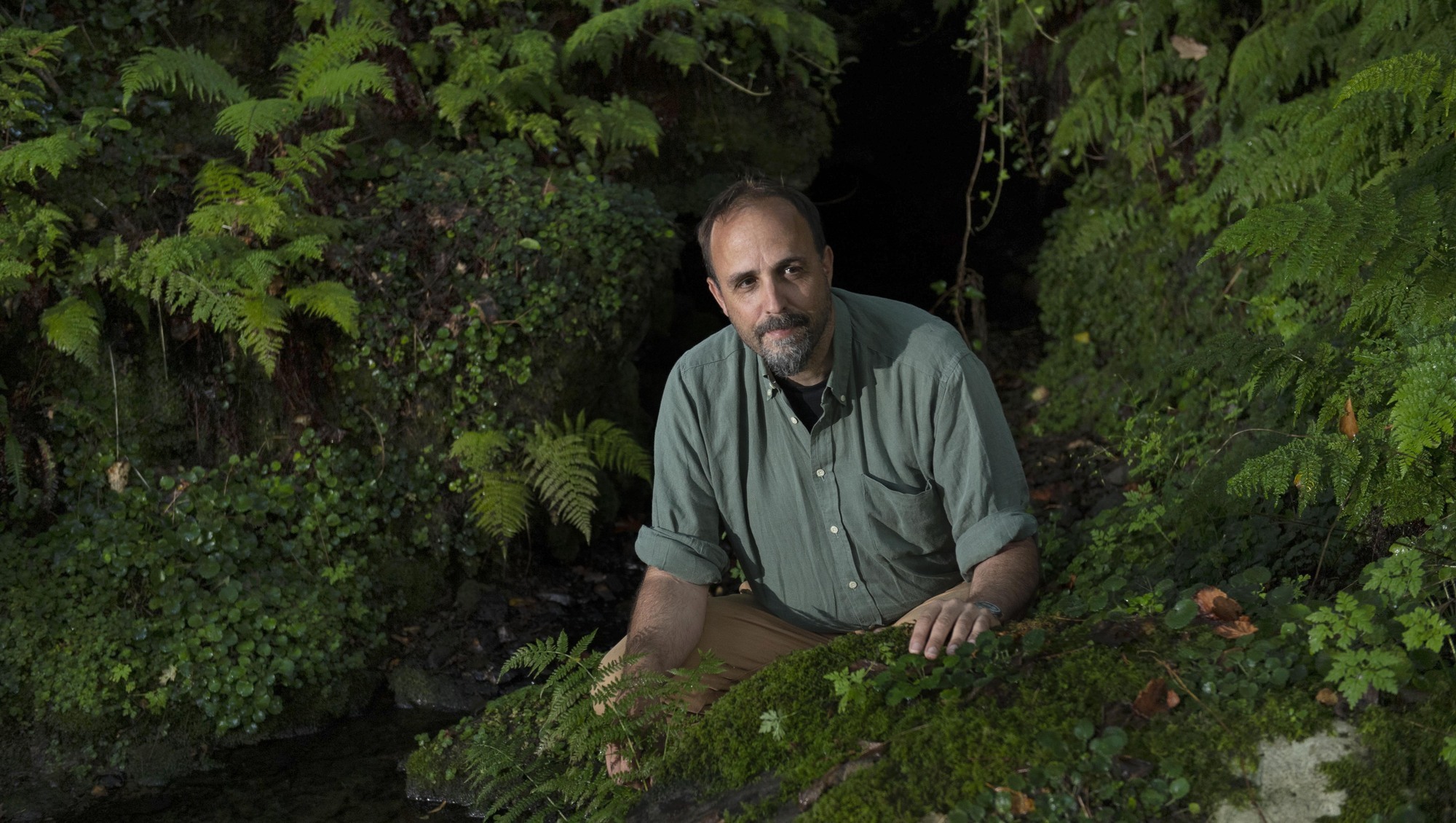
Eoghan Daltun says we must do more to protect our beautiful and precious rainforest ecosystems. Picture: Don MacMonagle

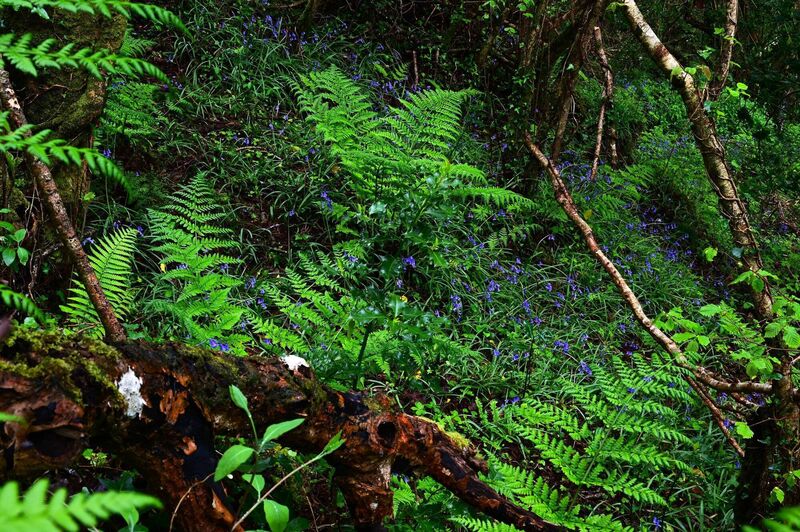
It is estimated that, before farming arrived, roughly 80% of Ireland was covered in some sort of forest. Given our mild, wet climate, most would have been temperate rainforest: unimaginably rich wonderlands, teeming with every ecosystem layer from mycorrhizal fungi right up to top predators such as lynx, wolves, and bears.
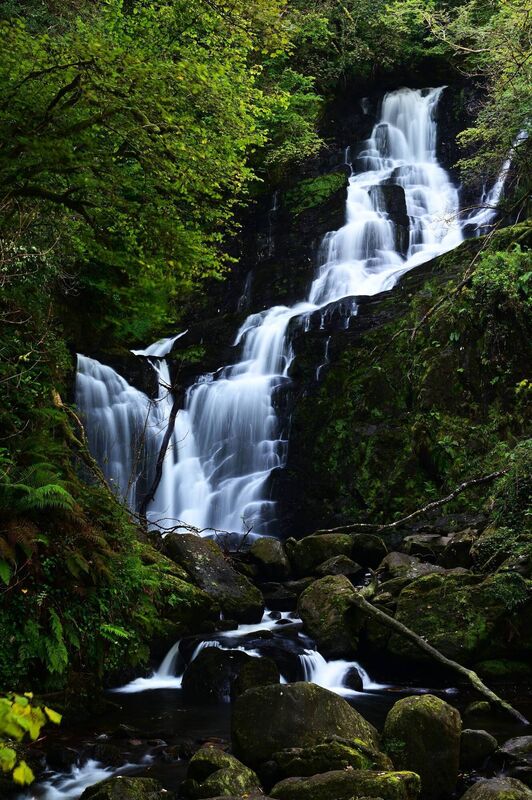
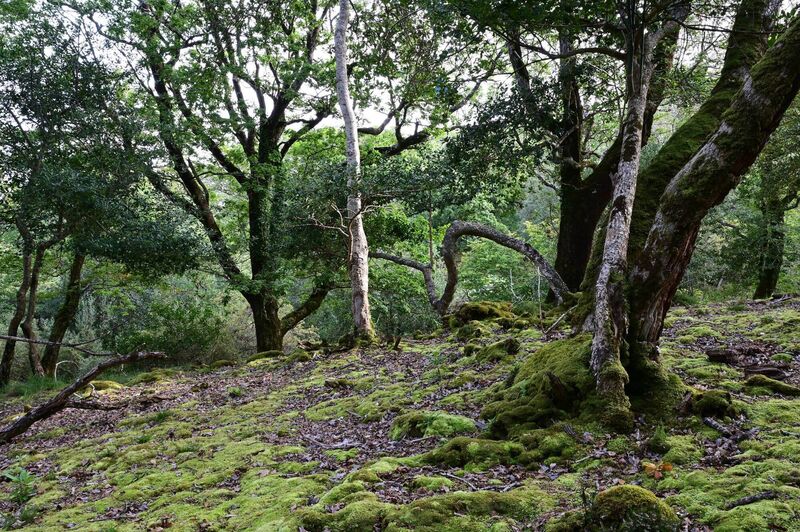
But now, the lynx, wolves, and bears are gone, natural forest is only about 1% of land area, and the vast bulk of that is in a desperate state, overrun by highly destructive alien invasive species like sika deer, feral goats, and rhododendron. The perfect example is Killarney National Park, by far the largest and most important surviving piece of semi-natural forest on the island of Ireland, and true rainforest.

Visit the park, especially around dawn or dusk, and you’ll see innumerable sika deer and goats, eating every last oak or other native tree seedling, preventing the forest from reproducing. The overgrazing also strips out the immensely diverse ground flora of wildflowers, ferns, and other plants that should enrich the habitat for native animal inhabitants like insects, birds, and mammals. The bare forest floor is also ideal for the rapid spread of invasive plants, above all rhododendron, which completely chokes much of the park.

Ecologists have been calling out these problems for over half a century now, yet nothing effective is ever done by the state, in whose ‘care’ Killarney is entrusted. In fact, park authorities essentially pushed out the one programme, run by an organisation called Groundwork, that had been tackling one problem highly successfully. For over three decades, thousands of volunteers from all over the world rid huge swathes of the most biologically important parts of the park of rhododendron. With Groundwork forced to stand down, those rhodo-free areas are now reinfested, many of them badly. It would honestly make you want to weep.

Killarney National Park is the largest and most important surviving piece of semi-natural forest on the island of Ireland.

Until last April, Ireland had six national parks: Killarney (Kerry), Glenveagh (Donegal), Connemara (Galway), the Burren (Clare), Wild Nephin (Mayo), and Wicklow Mountains NP. They are all in a similar, or worse, state than Killarney: overgrazed, infested by invasives, usually both. What, you may well ask, is going on? I’m afraid the core issue is the long-term gross mismanagement of these parks by the National Parks and Wildlife Service (NPWS) and, ultimately, by successive governments right up to and including the current one.

The NPWS is a highly opaque body, which gives out little information on such matters except under duress. But earlier this year, the Green Party minister in charge, Malcolm Noonan, was obliged to cast some light on what is being done about overgrazing in Killarney in response to parliamentary questions from West Cork TD Christopher O’Sullivan.

In the past five years, only 461 invasive sika deer have been culled in the park, likely a 10th of what would be required to properly control their numbers, which increase by about 30-40% annually. Not one of the invasive goats have been taken out. But of Ireland’s sole, small, native herd of red deer, 501 were shot. Again: what is going on? Why are culling efforts being so obviously and badly misdirected?

We don’t know, because that information isn’t, as usual, forthcoming. The most likely explanation is that the native reds are easier to shoot, because they tend to be near Muckross House, while the invasive sika are mostly in more remote parts of the park. As for goats, vast herds are allowed to destroy native habitat in the Burren NP, despite the species being on the International Union for the Conservation of Nature’s (IUCN) list of the world’s 100 worst alien invasive species. (The IUCN is the most authoritative global body on protecting nature.) You couldn’t make it up.

The bare forest floor is ideal for the rapid spread of invasive plants

If any doubts still lingered as to why our national parks are all so desperately wrecked, they evaporated entirely with the recent designation of a seventh national park around the Conor Pass on the Dingle Peninsula, Kerry. Making the announcement last April, Minister Noonan told us the land would continue to be grazed by sheep, thereby maintaining the very root cause of its ecological devastation.

These and a litany of other examples make it abundantly clear that the fundamental problem here is a stubborn unwillingness to do what’s necessary to reverse the death of Irish nature, combined with almost zero transparency. If we can’t even get it right in our few tiny national parks, what hope is there anywhere else? One of the most heartbreaking aspects is that NPWS personnel working on the ground are, in my experience, without exception, highly professional, hardworking, dedicated people.

In 2009, I bought a 73-acre farm on the Beara Peninsula, West Cork, that was largely covered in native rainforest, but in the very same state as Killarney: dying because of goats, sika, and rhododendron. Within a few years, I had turned this around, and the explosion of life — trees, flowers, insects, birds, even several rare native mammals — has been a sheer revelation. I described the story in my award-winning bestseller An Irish Atlanti Rainforest: A Personal Journey into the Magic of Rewilding (Hachette, 2022).

The explosion of life — trees, flowers, insects, birds, even several rare native mammals — on my 73-acre farm has been a sheer revelation

If just one man can make a rainforest ecosystem re-erupt with life, why on earth can’t the Irish state, with all its resources, do the same in our tiny national parks? While Ireland dithers, other countries have been getting on with the business of bringing back forests and other wild nature on a massive scale. Costa Rica, for example, has raised its natural forest cover* from a low of 21% in the early 80s to over 60% today. (*Not to be confused with industrial deadzone plantations, which now make up about 90% of Irish ‘forests’.) How was this done? Mainly by incentivising farmers to rewild their land, which is exactly what we should be doing in Ireland too.

Has Costa Rica collapsed back into the Stone Age as a result? Quite the opposite: the country has the healthiest economy in the region.

Scotland, which has so many striking similarities with Ireland in terms of landscape, ecology, history, culture, etc, has also been making fantastic strides, with more than 150 rewilding projects, many of them tens of thousands of acres in area.

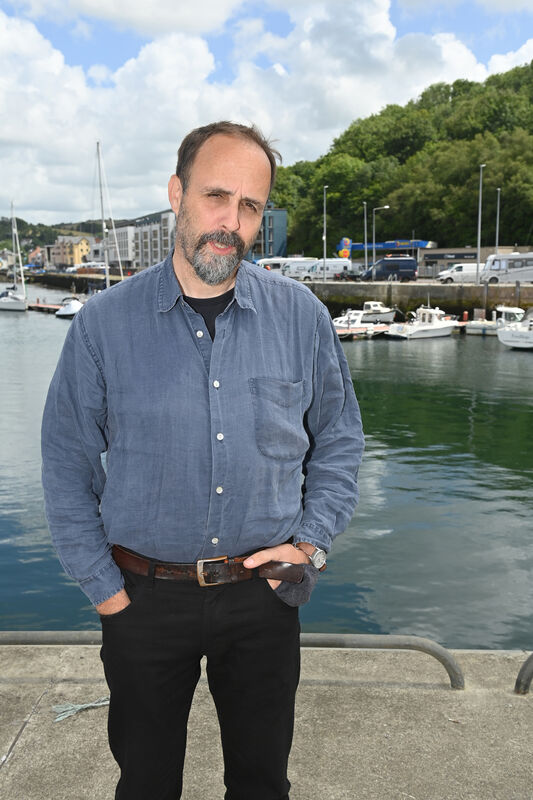
Eoghan Daltun: 'If just one man can make a rainforest ecosystem re-erupt with life, why on earth can’t the Irish state?' Picture Dan Linehan

There is zero excuse for Ireland to remain the nature basket case it is today. Since my book came out in September 2022, I’ve been inundated with messages of goodwill from the public, many of them keen to contribute by rewilding gardens, fields, and whole farms. But with no financial supports, and no backup network offering ecological advice, it’s an extremely difficult road for most people to take. All this needs to change, radically and urgently, if we are to stem the ongoing haemorrhage of Irish nature.

On Tuesday, my second book, The Magic of an Irish Rainforest: A Visual Journey (Hachette) goes on sale in bookshops. A photographic exploration and celebration of rainforests throughout the island of Ireland, it will attempt with images what my first book tried to do with words: give wild nature  voice, and be a rallying cry for our last hauntingly beautiful and precious rainforest ecosystems before they’re gone.

‘The Magic of an Irish Rainforest: A Visual Journey’, by Eoghan Daltun, is published by Hachette Books Ireland. Eoghan will be launching his book in Waterstones Cork on Thursday at 7pm.

More in this section

Revoiced

Newsletter

Had a busy week? Sign up for some of the best reads from the week gone by. Selected just for you.

Cookie Policy Privacy Policy Brand Safety FAQ Help Contact Us Terms and Conditions

© Examiner Echo Group Limited