Anja Murray: Skylark, lapwing and the dangers of shifting baseline syndrome
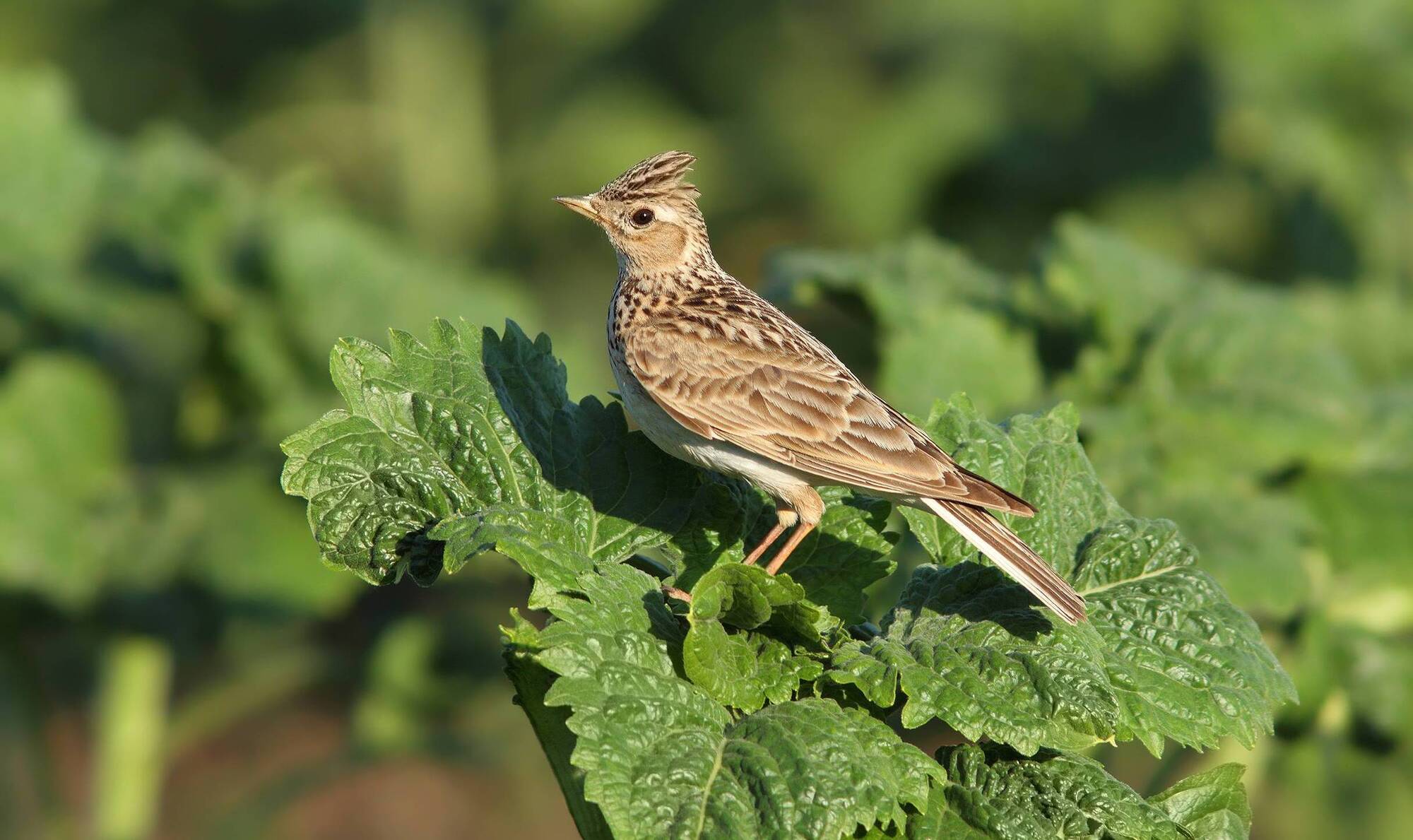
"From high above, skylarks are singing incessantly, beautifully rich and strikingly continuous songs providing the May soundtrack" — Anja Murray
At the moment, rough fields across out-of-the-way places in parts of Ireland are filled with wild orchids, their striking pink flower heads standing proud above the cover of rough grasses and sedges. In Connemara, I’ve identified the sturdy, tall pink flower heads as ‘Western marsh orchid’ — hundreds of plants per field, spilling out on to roadside verges too. Alongside these abundant wild orchids, the cheerful pink flowers of ragged robin are emerging now, and delicate cuckoo flowers too — also fond of wet meadows.
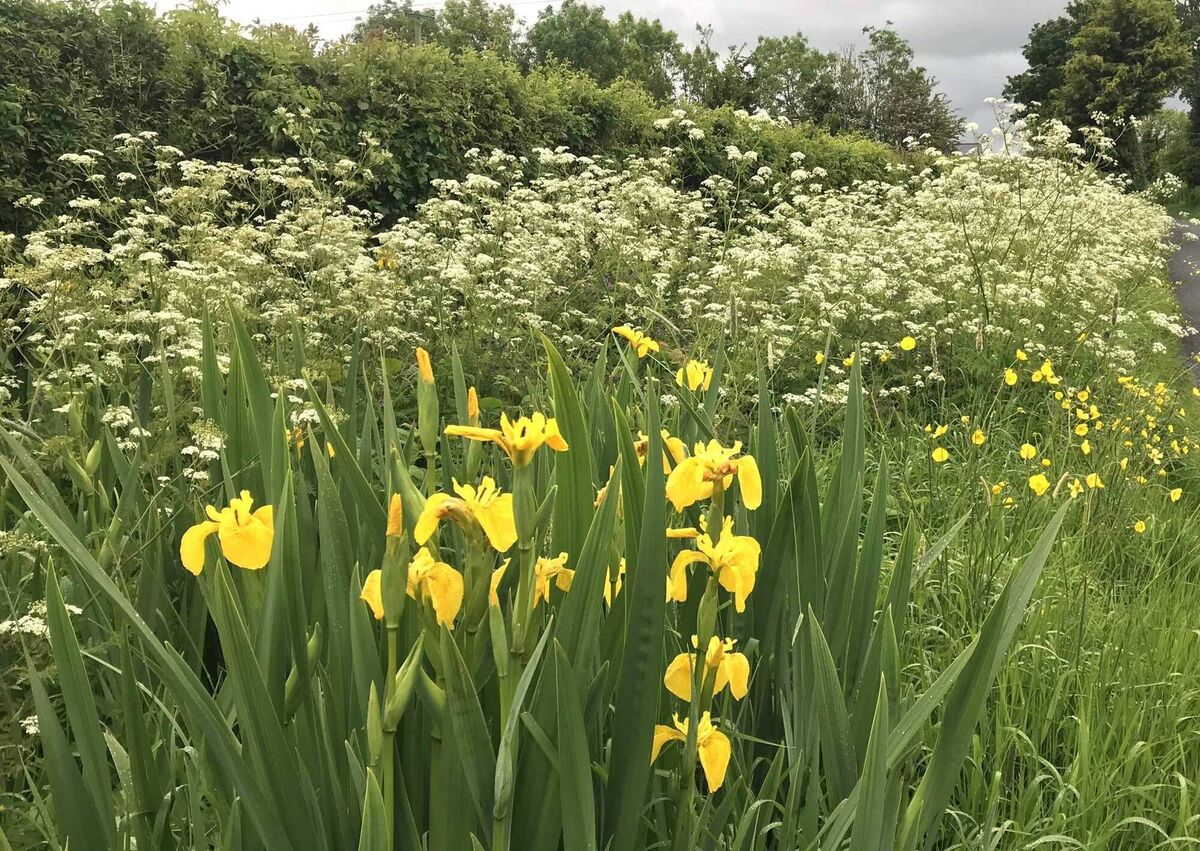
High-viz yellow shines from the reflective petals of swathes of meadow buttercups. In the really wet dips and hollows of these old stone-bound fields, yellow flag iris cram together, also all in flower right now.
From high above, skylarks are singing incessantly, beautifully rich and strikingly continuous songs providing the May soundtrack. Cuckoo call out at all hours too. I am awed by these sights and sounds, aware that listening to skylarks and cuckoos is somewhat of a privilege now. While I adore listening to them singing through the day, the joy is bittersweet. Skylarks have been experiencing alarming declines in their population and range in recent decades, largely as a result of the loss of the kind of open, species-rich grasslands that still prevail here on the Atlantic seaboard. Without improvements in habitat management and restoration, this song will become even more of a rarity in the coming decades.
I am aware too, that this soundscape is full of absentees. In the 1970s and 1980s, breeding waders such as curlew and lapwing would have been common here, their characterful calls rising from pockets of peat bog and rough grazed habitats during the month of May. Now, curlew and lapwing are among those no longer answering to the roll call.
These losses that I have not experienced directly are an example of a phenomenon known as ‘shifting baseline syndrome’. Shifting baseline syndrome explains how each generation accepts the circumstances in which they were raised as being normal, experiencing the diminished diversity of wild species and habitats, reduced abundance of sights and sounds, even of absent species, without the personal knowledge of what once was. Shifting baseline syndrome describes how people's accepted thresholds for environmental conditions are continually being lowered as the quality of the natural environment diminishes.
This phenomenon is playing out in real time now, in that the abundance of wild plants and the soundscape of wild birds is much reduced when compared to what it was only 50 years ago. According to the data in the , published in 2023, just over half (56%) of Irelands native plant species are decreasing in range and abundance since the last Atlas was published, 20 years ago.
My neighbours meadow.
— Ó Foghlú (@rayofoghlu) June 2, 2023
Cut once at the end of every summer for as long as people around here remember. No fertiliser, no ploughing, no spraying.
Heaving with invertebrates & skylark❤ pic.twitter.com/hDQjopxDH2
Many bird species are far less noticeable in our daily lives too, not just because most of us now live in urban areas, but also because a high proportion of birds that were once common are now no longer so. In Ireland, almost two-thirds of regularly occurring bird species are now red- or amber-listed as birds of conservation concern.
Curlew, lapwing, redshank, dunlin, snipe and golden plover are all species known as waders — a group of birds that have long legs to keep their feathers dry when they wade in wet places, probing their long beaks into soft, wet, muddy or marshy ground, from which they pull up bugs, grubs or shellfish that are their main source of nourishment. The waders breeding here in Ireland (as opposed to those visiting for the winter) are referred to as breeding waders.
Breeding waders do not nest in trees or other elevated places, instead they have evolved to nest on the ground, in places where there is just enough growth to give them a little shelter and protection, though not enough prevent them from being able to see predators approaching. Because of the vulnerability of their eggs and young chicks, these ground-nesting birds don’t nest too near tall trees or other places where predators could easily take them by surprise and snatch their chicks.
Right now, curlew and lapwing are minding their clusters of well camouflaged eggs among the few remaining soft wet bogs of the midlands; amid expanses of wet, peaty soils that blanket upland areas; and in lowland and coastal flower rich fields where marsh orchids, ragged robin, cuckoo flower and meadow buttercup abound. These species-rich habitats, often with low levels of cattle grazing and little interference, provide good conditions for curlew, lapwing, and other ground nesting birds such as skylark.
The sounds that lapwing make are only familiar to me only because I have gone out of my way to hear them, visiting known breeding grounds in the midlands during May and June. I was amazed at the strangeness of their call, beeping, like the little robot, R2-D2. That this was a ubiquitous sound of early summer across Ireland only a generation ago is a stark reminder of the rapid pace of change across Irish landscapes.
Curlew, the largest of our breeding waders, also have a distinctive call, though this is far more familiar because it is often hear around the coast from August onward, when post-breeding birds move to the coast for the winter months. There they are joined by their continental cousins — birds of the same species flying here from Northern Europe. Their call is thus still a common sound through the winter on muddy estuaries all around Irish coasts.
But not in summer. Breeding wader populations have plummeted since the 1970s. Draining off the water from pasture and bog has left them bereft of habitats where they can nest and fledge their young. The march of conifers across wet ground, in upland as well as lowland settings, also taken its toll. Intensification of agriculture, especially the surge in dairy production, has not helped these species either. Fragmented populations are left especially vulnerable to predators such as crows and foxes. As a result of these land use changes, 11 of the 12 different species of breeding wader in Ireland are in serious decline. Breeding curlew, common right across Ireland when I was born, are down to just over 100 breeding pairs in the Republic of Ireland. This represents a 97% decline since 1990. Lapwing has suffered a similar demise.
There is some hope in the success of conservation projects that protect the breeding grounds of these birds. Habitat restoration measures also have strong potential to mitigate against further declines. Supporting culturally and ecologically rich traditional farming practices is also necessary — a vital component of the Nature Restoration Law that is now in jeopardy.
My generation is lucky in many ways... to have the privilege to experience wild orchids in abundance, to bask in the soundscape of skylark and cuckoo. We are also the last generations with the potential to turn the current trajectory around.
Read More
CONNECT WITH US TODAY



Be the first to know the latest news and updates