Rowing Ireland: 'Pull like a dog' for adventure holiday fun
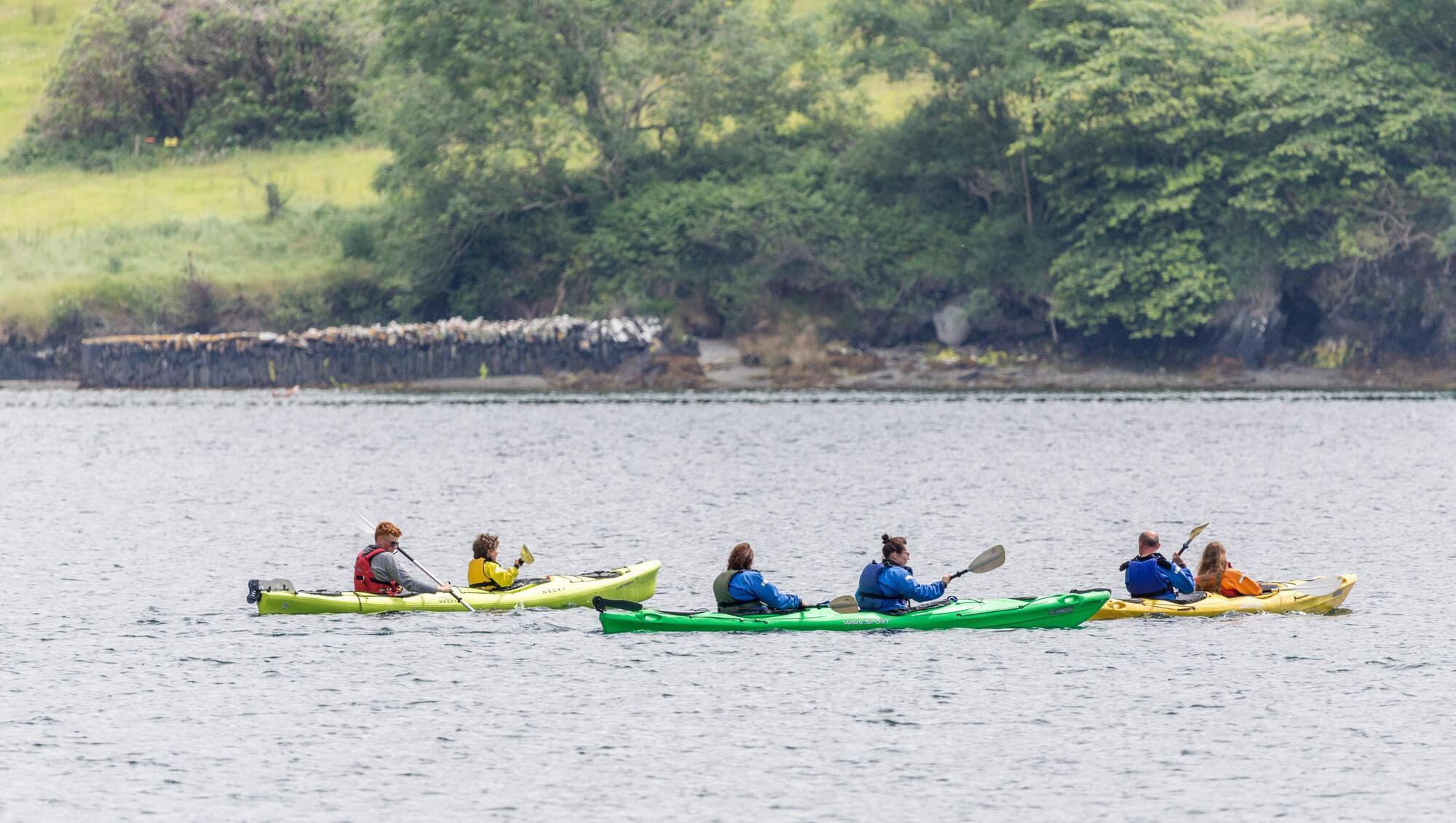
A group of kayakers out paddling on a warm summers day at Lough Hyne, Skibbereen, Co. Cork, Ireland. - Picture; David Creedon
How quickly four years pass, as we welcome yet another Olympic summer.
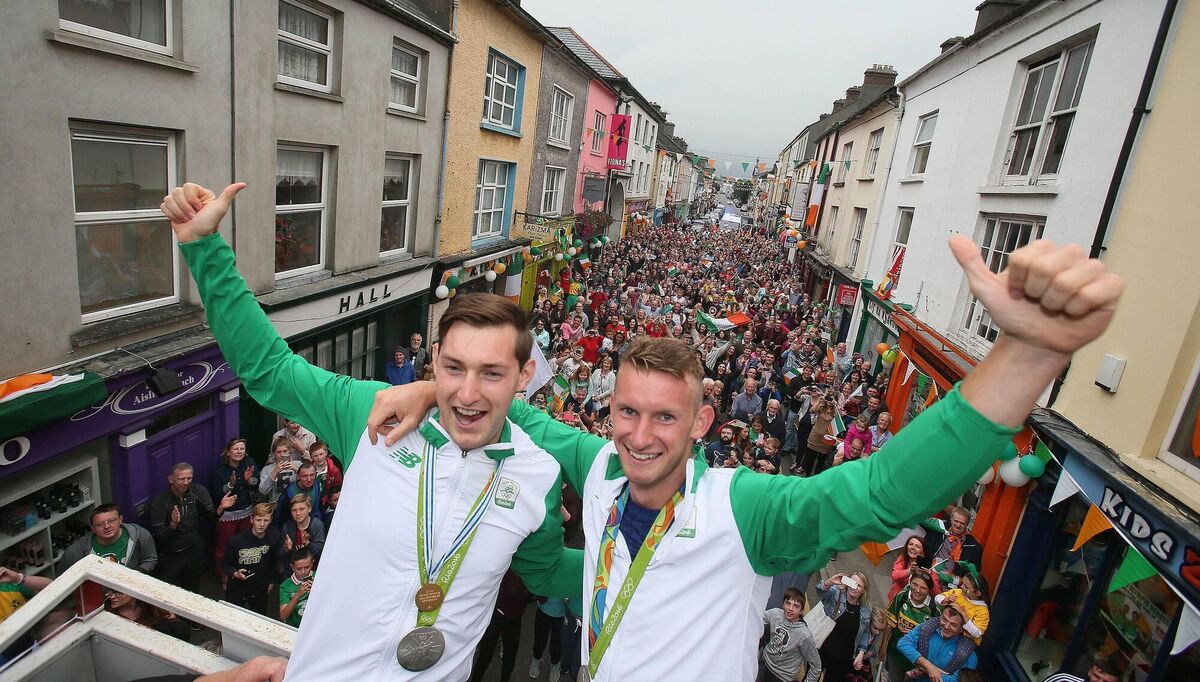
While a million Irish hearts will look eagerly forward to our possible winning ways in Paris this summer, many of us will doubtless recall Rio in 2016 — that great year when Ireland announced itself on the global rowing stage. Indeed when the epitaph for Olympics 2016 was written, the highest honours beamed upon a pair of sibling rowers from west Cork with a gift for masterful understatement.
After Paul and Gary O'Donovan took gold, their interviews had none of the usual clichés about the triumph of the spirit, but instead enlightened and amused the world about “peeing, pizza, and how we put on our podium pants.” When their famous “pull like a dog” interview received more than half-a-million YouTube hits, one interviewer suggested the pair would find themselves the centre of attention for hordes of romantically inclined females. Enter the boys’ mother Trish, and her memorable caution: “They’ll have to come through me first.” God bless the legendary Irish Mammy — even Olympic medals don't change her superior status in every household.
High performance Irish rowing goes even further back than the 2016 Olympics, however, with the seven Casey brothers from Sneem, Co Kerry crowned “the toughest family on earth” for their exploits almost a century ago. Like the O'Donovan’s of Skibbereen, the Caseys grew their muscles rowing the choppy waters on the rough Kerry coastline, winning every contest in Ireland before dominating the All-England Rowing Championships in 1935.
Intent on using the victory as a springboard for the 1936 Olympics in Berlin, the Caseys were disqualified after being classed as professionals due to having rowed in exhibition races for meagre purses just to cover travel and accommodation expenses. “Jesse Owens showed Adolf Hitler how poor his Aryan race really was,” said Jim Casey. “And if the Caseys had gone to Germany, we’d have drowned his ambitions with the spray of our oars.”
Whether you’re looking to take up a new sport, a fun summer camp for your children, or you’re simply interested in giving a new sport a go, rowing has something to offer everybody. Rowing Ireland affiliated clubs cater for ages 8 to 88, and more. In addition to focusing on different disciplines of rowing including leisure, touring, Olympic, coastal and offshore, Rowing Ireland runs a schools programme entitled ‘Get Going…Get Rowing’ — an initiative funded by Sport Ireland and a number of local sports partnerships throughout the country.
The focus of the programme is to bring rowing to schools and communities around Ireland. The programme also runs ‘Learn to Row’ camps and sessions with schools and the community during school holidays. Currently, there are almost 4,000 registered racing members in more than 100 clubs and universities around the country, with the overall rowing community estimated to be three times this number.
Much of the work of Rowing Ireland is done by volunteers within the clubs, including the high performance team of personnel based in the National Rowing Centre at Cork’s Farran Wood. Rowing Ireland is committed to promoting “a culture of excellence and openness so that athletes, coaches and volunteers have a lifelong positive experience”.
www.rowingireland.ie
Based in the heart of Ireland’s Ancient East, rowing club groups of 10, 15 or 20 people can negotiate ancient navigations and scenic gems from Irish Rowing Adventures' base in the medieval village of Graiguenamanagh, Co. Kilkenny.
Brian Roberts, founder of Graiguenamanagh Rowing Club, is also the proprietor of Waterside Guesthouse. “We generally operate tours from March to October. In general we need a minimum of ten people to run a tour, that is two coxed quads where you will take turns coxing the boats. We can also row with three crews of 15 people, or four crews of twenty.”
Rowing adventures are good value, he says, with the price including all accommodation and meals from the time you arrive. “Graiguenamanagh is just a brilliant location in the heart of Ireland's Ancient East. It is very rarely that we are unable to row on one of the rivers in the southeast, but the upside is that we are close to so many other activities and visitor attractions that you will definitely be kept busy. Non rowers are considered real people too, and treated accordingly,” he promises.
www.irishrowingadventures.com
St. Michael’s Rowing Club was founded in Dun Laoghaire Harbour in the early 1920s, and today consists of over 100 members, from all walks of life, with all abilities catered for, from complete beginners to experienced rowers.
In common with sister clubs on the East Coast of Ireland, members practice coastal rowing in traditional skiffs, with fixed seats, wooden oars, and clinker-built boats. Coastal rowing at St Michael’s Rowing Club combines “all the positive aspects of team sport, seamanship, fitness, competition and the great outdoors. We cater for men, women and children, ranging from under-12s to veterans, and with all levels of aspiration, from the recreational to the serious athlete.”
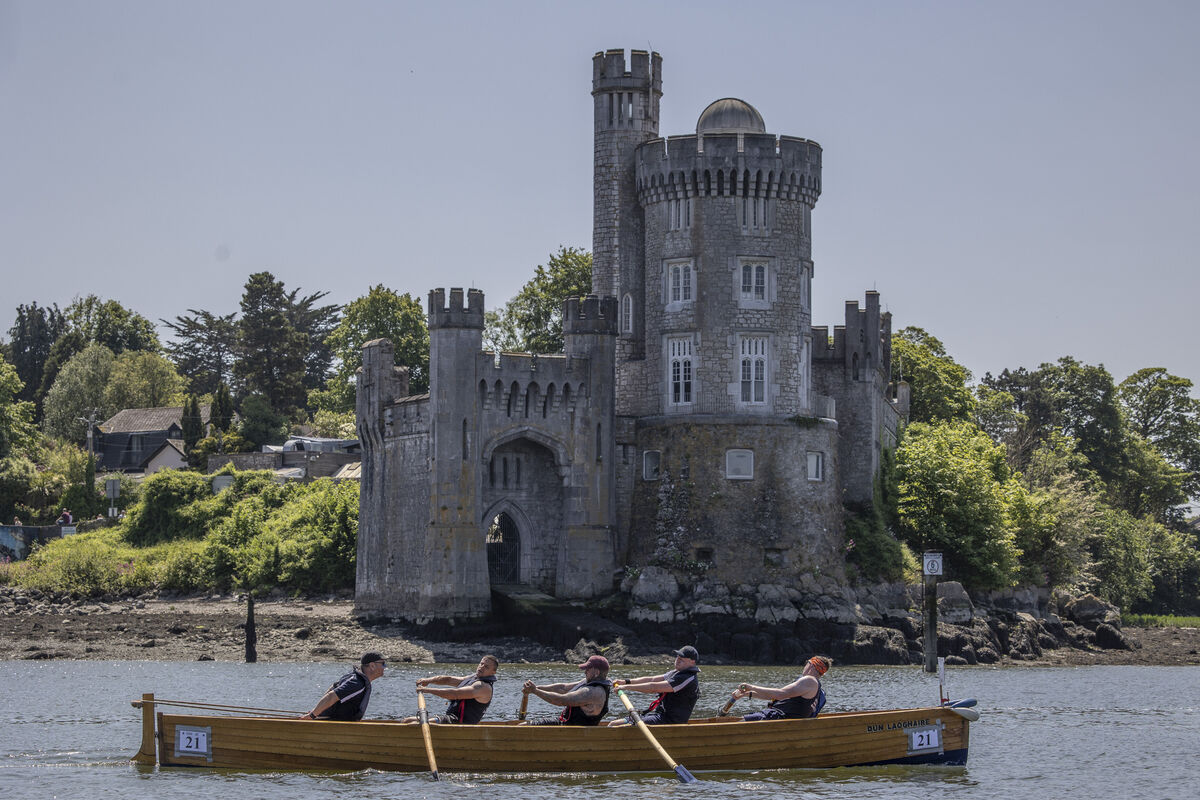
The club also participates in long distance rowing races such as the biennial Celtic Challenge, a gruelling 150km crossing from Arklow to Aberystwyth in Wales, and put forward crews in the annual All-Ireland Coastal Rowing Championships.
www.dunlaoghairerowing.com
The Skibbereen Rowing Club, where the famous O’Donovan Brothers learned their world-beating trade, is now enshrined as the powerhouse of Irish rowing. The club’s athletes are poised to make a significant impact at the forthcoming Olympic Games in Paris, another notch in the always upwards commitment to grooming champions.
Already legends on the water, the club scored tops at the recent Irish Indoor Championships, with Mattias Cogan, a promising young athlete from Schull, representing the Skibbereen club and carving his name in the annals of rowing history by setting a new national record in the J16 Men’s 2000m ergometer race.
Not to be outdone, Audrey McCarthy, another rising star from the club, secured second place in the Women's J16 2000m race. Little wonder that Skibbereen is now known internationally as the ‘town with the rowers’. Home to five Olympians since 2000 — Eugene Coakley, Timmy Harnedy, Richard Coakley, plus Gary and Paul O’Donovan — it boasts Ireland’s first and only Olympic rowing medals won at Rio in 2016, as well as the 2018 World Rowing Coach of the Year, Dominic Casey.
facebook.com/skibbereenrowingclub


CONNECT WITH US TODAY



Be the first to know the latest news and updates