Donal Hickey: Spotted any otters? Pop the details on this survey...
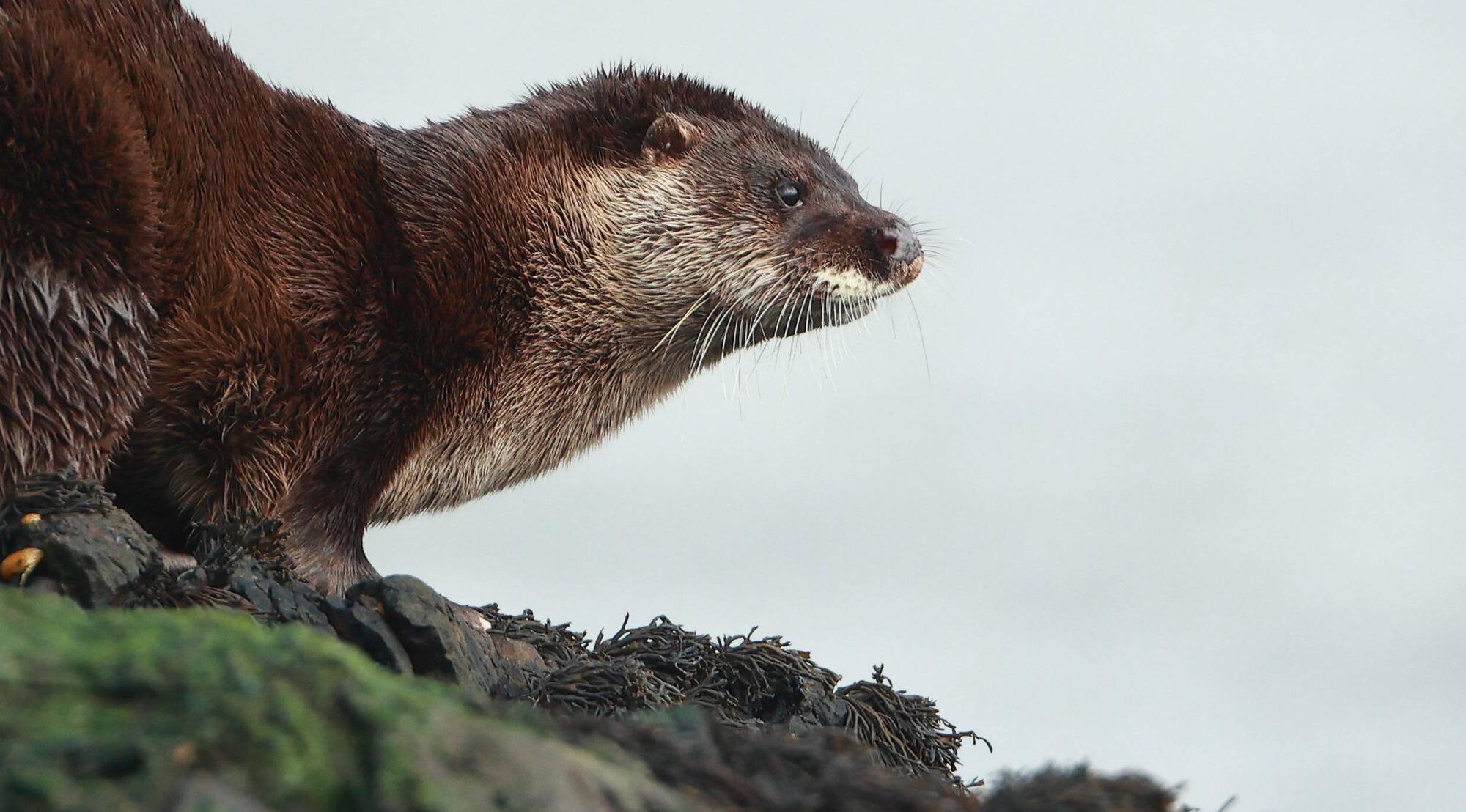
A study of the River Bride, in Blackpool, found the otter is well-adapted to city life and is an important urban species
Donal Hickey: Spotted any otters? Pop the details on this survey...

The Otter and its habitat are protected under the EU Habitats Directive which requires that Ireland reports on the status of the species at regular intervals. Threats and pressures could include river corridor management such as culverting, canalisation and dredging as well as pollution, oil spillages and road traffic. Picture: Ronald Surgenor / Biodiversity Ireland

We don’t see otters very often as they emerge largely when it’s dark, but they’re present in numbers in all counties along rivers, lakes and coasts.

In an era of wildlife decline, the otter population here has remained stable and Ireland is regarded as a stronghold of the species, while it has declined in Britain and continental Europe. The national population is estimated at 10,000.


People are now being asked to take part in a new, countrywide survey launched by the National Parks and Wildlife Service (NPWS), which has teamed up with researchers in Queen’s University Belfast and the National Biodiversity Data Centre to collect and collate otter records.

The survey will map otters and compare results to previous surveys. NPWS teams will be looking for typical signs of otters at more than 900 sites throughout the country. People are asked to keep their eyes peeled for otters and to get involved by adding their sightings to the survey results.

Furry otters may be spotted from bridges, swimming in rivers, or along the rocky seashore. Otters are brown, about 30 inches long, and can be seen gliding along the water's surface before diving to show their distinctive, long pointed tail which is almost as long as their body.

Perhaps it’s because otters are rarely seen that they have a certain mystique and people take notice when they appear.

Cork poet, Billy Ramsell, described how, on a Christmas Day, he saw an otter emerging from dark Lee water onto the deserted city streets: “Swaggering, like any pedestrian/Up the steps from the dry riverbed".

Otter tracks. Picture: Creative Commons / Biodiversity Ireland

Generally, people involved in otter surveys have to rely on signs, rather than actually seeing this elusive animal. Otters live in underground dens, called holts, and their individual territories can range over several kilometres.

They have big, webbed feet that leave distinctive footprints, which can be hard to find. Far more obvious, however, are their droppings, known as spraints, which they use to mark territory and leave on boulders and logs. Their diet is varied, including fish, insects, frogs, birds and small mammals.

Otter spraint. Picture: Creative Commons / Biodiversity Ireland

Since 2016, Cork Nature Network has been engaged in a project to study and protect the otter, amid concerns about loss of suitable habitat in the city. More awareness of its presence has also been created.

A study of the River Bride, in Blackpool, found the otter is well-adapted to city life and is an important urban species. Otter trails have been developed in the city centre, Blackpool and Bishopstown. The city trail, with signage and information, is believed to be the first of its kind for otters in the country.

Otter sightings link here

More in this section

Revoiced

Newsletter

Sign up to the best reads of the week from irishexaminer.com selected just for you.

Cookie Policy Privacy Policy Brand Safety FAQ Help Contact Us Terms and Conditions

© Examiner Echo Group Limited