The '40-winks' is no doss — it's biologically ordained
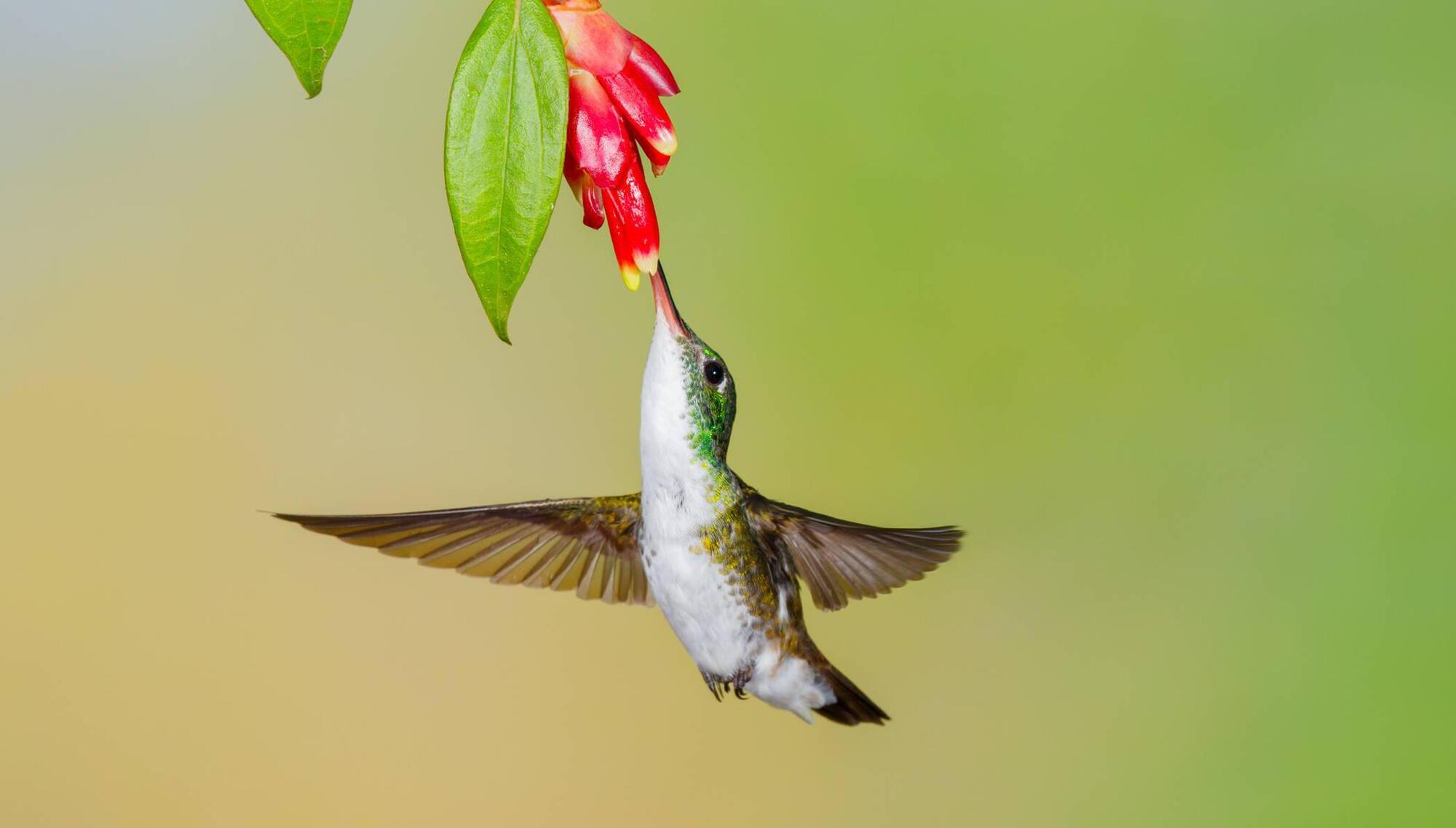
Andean Emerald Hummingbird.
Táimse im’ chodhladh is ná dúistear mé (I'm asleep and don't wake me)
Nodding off in the office after lunch has an ancient provenance. Our species evolved in tropical Africa where ‘only mad dogs and Englishmen go out in the midday sun’. The siesta, a legacy, survives in Southern Europe.
Body rhythms ‘circa diem’ show a drop in metabolism 12 hours on from our deepest nightly slumber. The ‘forty-winks’, therefore, is no mere lazy ‘doss’; it is biologically ordained, ‘a part of what we are’. Tell that to the boss next time they catch you napping!
Only small creatures, such as bats and frogs, can afford to sleep through the winter. The heart rate of the hedgehog, our largest card-carrying hibernator, drops to around 10 beats per minute, with a body temperature of about 21°C lower than normal.
Brown bears, contrary to popular belief, are not true hibernators. Cooling their huge bodies down in autumn, and bringing the temperature back up after a 100-day sleep, would take far too long, so they opt instead for ‘dormancy’, a 10°C temperature drop. Wintering bears don’t eat, drink, or urinate. An anal plug blocks the back passage, so that the den remains clean. Irish badgers, likewise, are too big to shut themselves down completely; they just ‘lie on’ in bed during inclement weather.
It might seem odd that torpidity does not appeal to birds, but hibernators need to put on extra fat to fuel their bodies. This isn’t an option for flying creatures — they must remain light. In any case, birds can fly to warmer climes if the going gets tough; starlings redwings, and waxwings ’irrupt’ to Ireland when mainland Europe freezes.
But there are exceptions to every rule. When ornithologists announced that the poorwill, an American relative of our nightjar, hibernates, local indigenous people were not impressed. ‘We have always known that’ they pointed out — the bird is called ’the sleeper’ in their language.
An Irish cousin, the swift, can go torpid. Food scarcity during rough weather, when few insects are on the wing, threatens nestlings with starvation; reducing their metabolism tides them over.
But swifts are mere amateurs when it comes to cat-napping. According to a paper just published, their distant relatives, hummingbirds, are the great torpidity specialists. These are the world’s smallest birds and, when maintaining body temperature, size matters. Small creatures lose heat to their surroundings faster than do large ones. But hummingbirds don’t just shut down when the going gets tough. According to researcher Diana Hernández, of Universidad del Valle in Colombia, they use torpidity creatively.
Her team studied body-heat strategies among 249 hummingbirds of 29 species in the Andes, recording their temperatures using anal thermistors.
Gustavo Londoño, a co-author of the paper, told ScienceDaily that ‘hummingbirds start exiting torpor about an hour before sunrise’. Being ready to fly at sunrise, when the flowers are full of nectar, may be crucial to survival; supplies become depleted as the morning progresses. A bird in poor physical condition must act quickly. It can’t afford to wait for the sun to warm it.
The early bird catches the nectar!

CONNECT WITH US TODAY



Be the first to know the latest news and updates