Donal Hickey: Early risers get to hear the dawn chorus
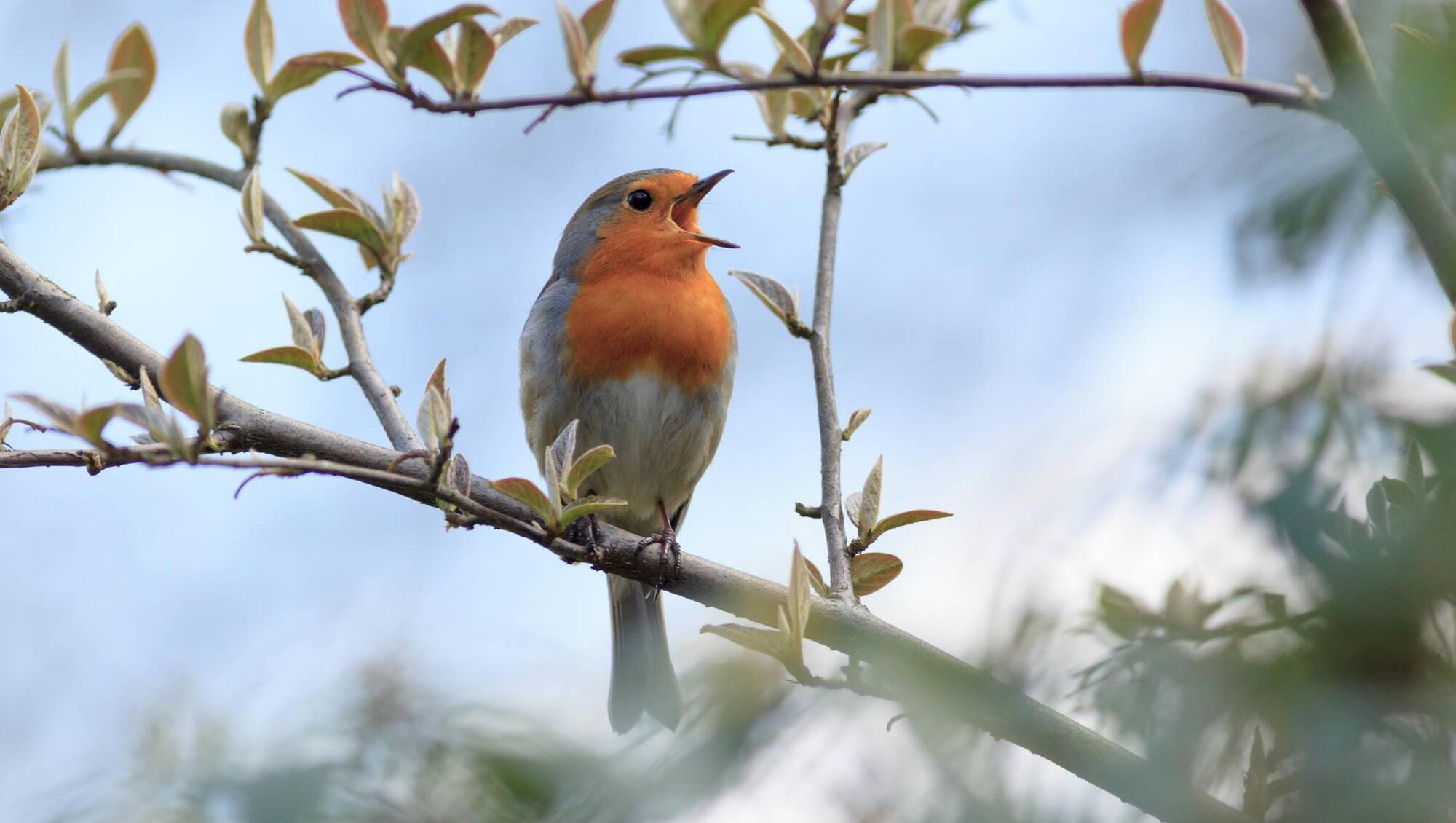
There are dawn chorus and dusk chorus walks taking place around the country, check out one near you
Robin (Erithacus rubecula) — robins are usually the first birds to start the dawn chorus, often as early as 4.30am

Robin (Erithacus rubecula) — robins are usually the first birds to start the dawn chorus, often as early as 4.30am

Now that we’re heading into the dawn chorus season, some readers have been in contact with helpful tips for identifying the sound of various birds and their order of appearance in the orchestra, so to speak.

A recent column on the song thrush prompted feedback from birders who, you can be sure, will be out early in the coming weeks. Before sunrise even.

Ennis-based Tom Lynch, of Clare Birdwatch, says there’s still time — before the chorus really gets going later this month and early May — for people to learn to distinguish one bird’s song from another, with Google and Youtube being particularly useful.

Birdsong in early morning, evening, or during the day, is usually that of a robin, song thrush, blackbird, dunnock, wren, and a range of tits. Not forgetting, of course, the wood pigeon and collared dove.

The melodious song thrush is a regular visitor to many gardens — and they eat worms, snails, caterpillars, and fruit. Snails are a particular favourite

Fortunately, we still have a large population of melodious song thrush, a regular visitor to the average lawn or garden. I’m now watching a handsome specimen hopping around and gobbling snails.

“I recall an outing in the Burren, a few years back, where the highlight for a visiting British birder was the song of the song thrush because they are so scarce in the south of England, where he came from,’’ says Tom Lynch.

The robin usually starts the chorus; the more musical blackbird then comes in, followed by the thrush and many others, gradually rising to a crescendo. After an hour or so, all can go quiet as hunger strikes and birds look for food.

Some people go to parks and woodland, but you don’t always have to travel far to hear the chorus: you may not even have to leave home, especially if trees are nearby. Just get up early, perhaps around 4.30am! Or maybe, open the window.

BirdWatch Ireland has a list of dawn — and dusk — chorus walks taking place around the country.

Whilst the dawn chorus has gained much currency in fairly recent times, with radio programmes and organised walks, such interest is not new. In days when more children walked to school, so lyrically described by evergreen Cork writer Alice Taylor, they were sharp observers of birds.

The schools’ folklore collection from the late 1930s shows a keen interest in and knowledge of our winged friends. The children and their elders then dubbed birds in early summer as ‘God’s songsters’, or ‘minstrels of the air’.

One child whose manuscript is in the collection, Bridget Cremer, of Acres, Fermoy, County Cork, tells of the thrush being a delightful singer which nested in whitethorn trees. She describes the goldfinch as a sweet songbird, often kept in cages.

Finally, don’t forget the dusk chorus which, aptly enough, is quieter and more low-key, just before darkness falls.

More in this section

Revoiced

Newsletter

Had a busy week? Sign up for some of the best reads from the week gone by. Selected just for you.

Cookie Policy Privacy Policy Brand Safety FAQ Help Contact Us Terms and Conditions

© Examiner Echo Group Limited