Nature 'literacy' enriches our understanding of the natural world
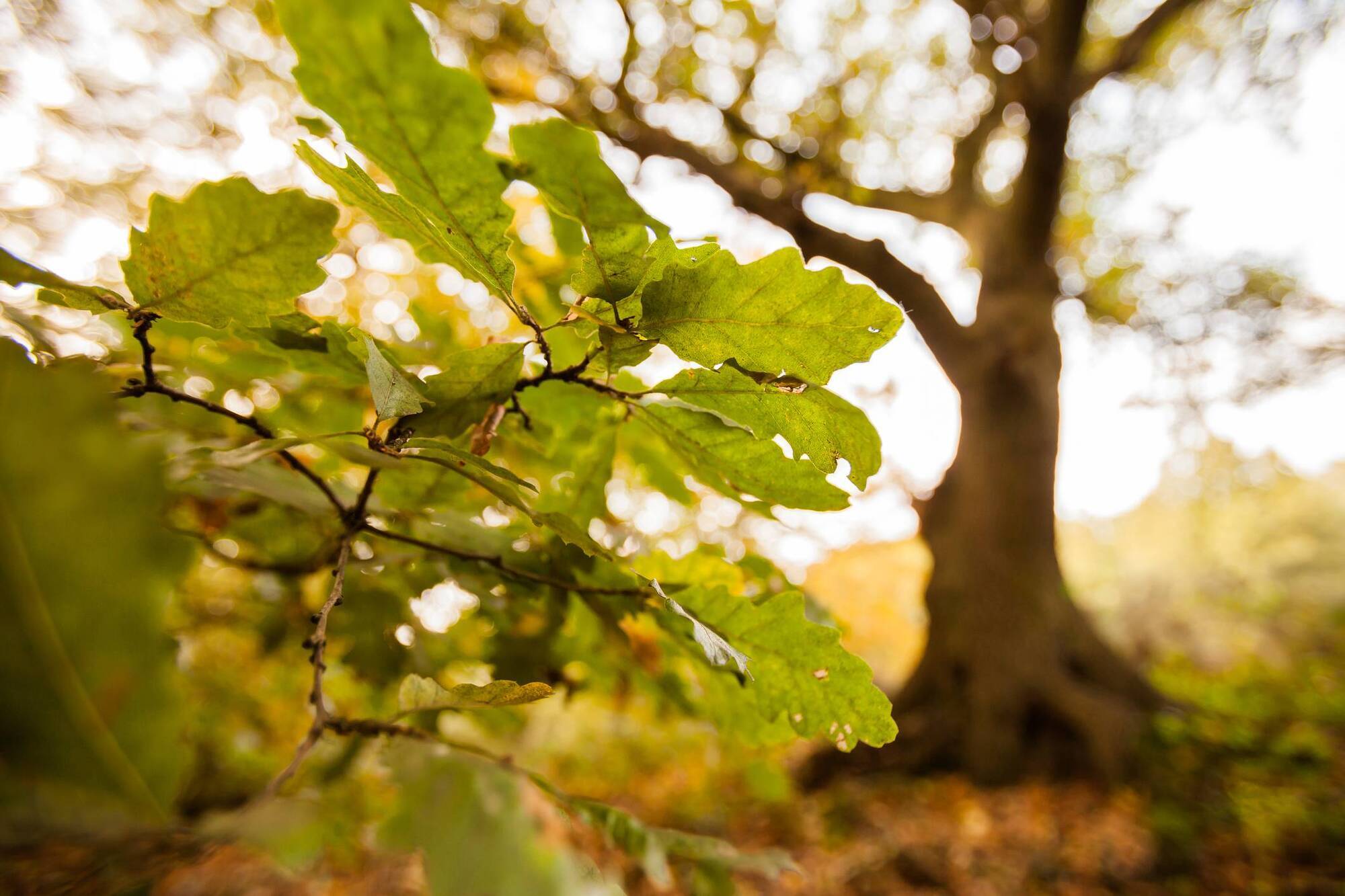
Sessile oak (Quercus petraea)
Language frames how we perceive the world. With words, we make sense of what we see, log, register and organise information in our mind. So when our vocabulary for the natural world becomes diminished, words for plants, bees and patterns vanishing from our vocabulary, we become impoverished in the scope of what we see and understand.
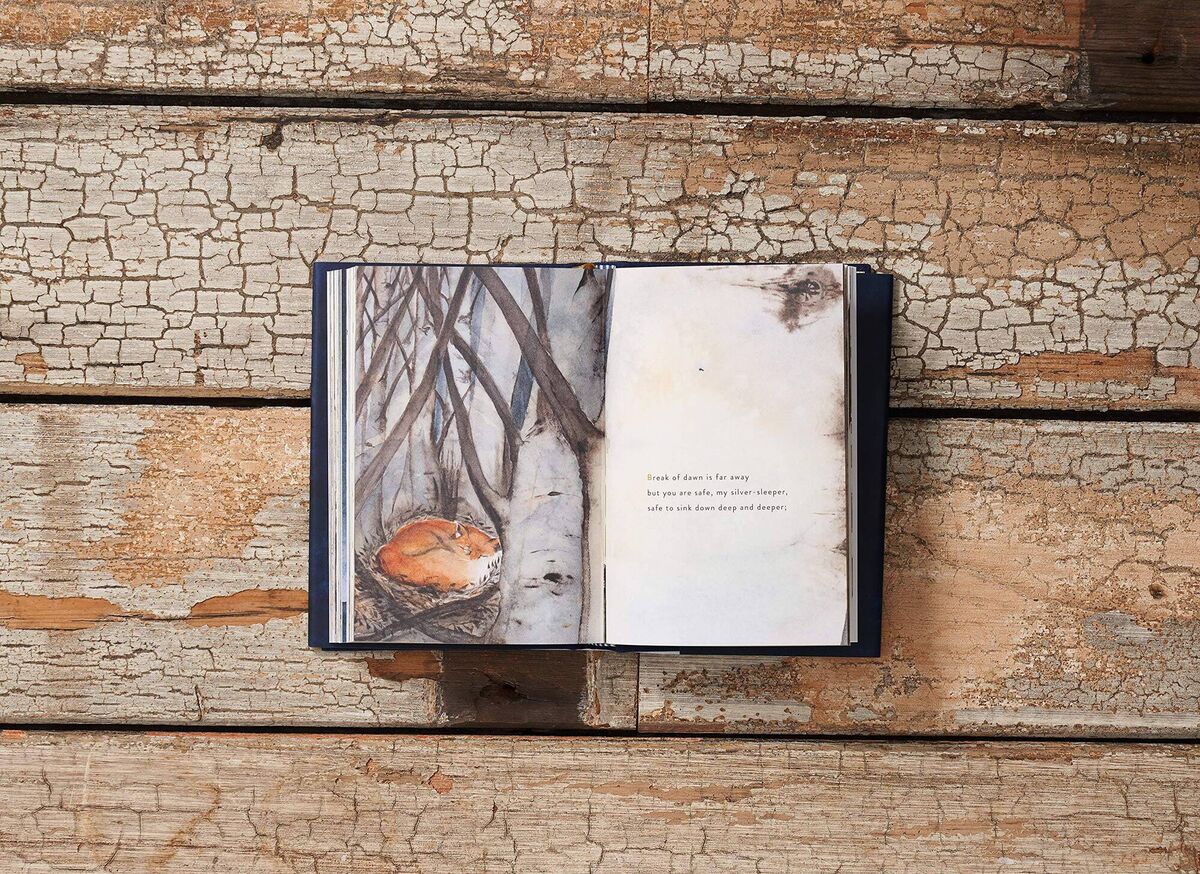
When Dr Robert Macfarlane, a British writer, heard about the removal of many once common words for nature from a new edition of the Oxford Junior Dictionary, he responded by initiating an artistic ‘protest’. The result was beautiful books called The Lost Spells and The Lost Words in which he and illustrator Jackie Morris set about “Keeping everyday nature alive in the words and stories of children in particular — who are the ones who will grow up and decide what to save and what to lose”. Through short poetic paeans and luminous illustrations, they evoke the charm of 20 common animals and plants that were among those removed from the dictionary pages.
This is a challenge for all of us, not just for children. I am often surprised by how so many of my own friends and peers are unfamiliar with basic elements of Irish nature, unable to name a hawthorn or a blackthorn tree, for example, or to distinguish between one common butterfly and another. This loss of fluency in nature is a cultural phenomenon, in which we are collectively losing our way. As we shift toward an increasingly technological and consumer-based perspective, we progressively lose our ability to articulate the world of trees and plants and bees, and we lose sight of the profound relevance of nature in our lives.
Now, with spring bringing everything alive around us, there is no better time to refresh what we once knew of the names of trees and wildflowers, of bees and butterflies and birds. With a little attention, it can be easy and hugely satisfying to augment our vocabulary of the non-human things we live among.
Refreshing what we know of the names of native trees is a good place to begin. Blackthorn is now finished blossoming, its white confetti-like petals having all blown off already, and it is coming into leaf as April progresses. Hawthorn is also just coming into leaf and soon will burst into a mass of white flowers. For the profusion of white blossom, hawthorn is also known as ‘whitethorn’ or ‘may tree’.
Ash trees too are beginning to unfurl their compound leaves, each leaf made up of opposite pairs of oval leaflets, and ash trees also produce flowers, though we don’t typically associate ash trees with flowers. Because they are wind pollinated they have no need for bright petals or attractive scents; instead they make long dangly structures, a subtle purple colour, that hang from branches in order to simply release pollen on the wind.
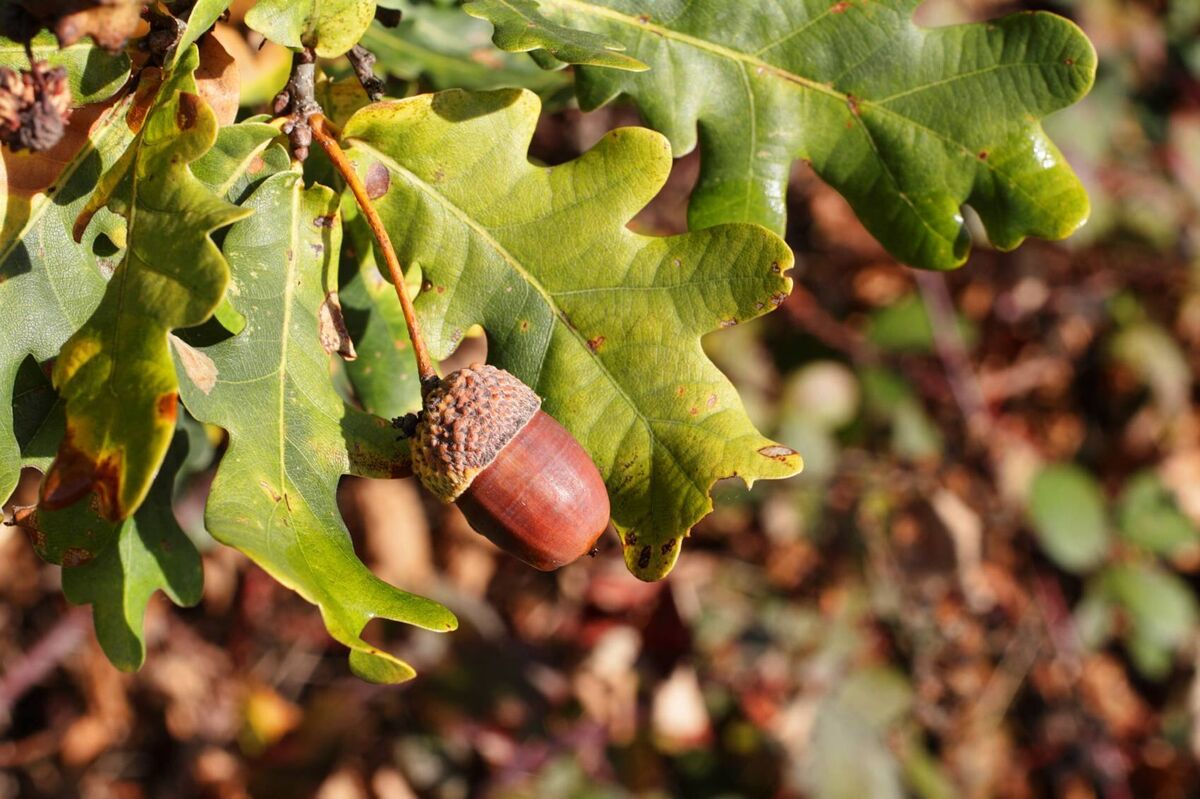
Oak trees take a little longer to unfurl their leaves, but when they do you might notice a tinge of rust-coloured pigment in the fresh spring leaves. The red pigments, called anthocyanins, are thought to help protect young tender leaves from strong ultraviolet light that spring sunshine is full of. It’s also worth examining the lobed leaves of oak trees to see if you can distinguish between the two native species of oak — Pedunculate and Sessile. The leaves of Pedunculate oak have almost no stalk and have two big ‘ear lobes’ at the base of each leaf. In Sessile oak the leaves have a long stalk and don’t have any earlobes at the base.
Hazel is a tree with many small stems of shimmering golden bark, with leaves that are big, soft, and round. Its own flowers, dangling green catkins, are coming to the end of their season now. Other native tree and shrub species to refresh your knowledge of include silver and downy birch; Scot’s pine; spindle; Guelder rose and alder. Each has distinctive characteristics and as you become familiar with them, their traits and habitat preferences will become increasingly familiar.
As trees are beginning to bud, woodland flowers are making the best of the light, before the canopy spreads overhead to intercept the light they need to flower. Almost everyone knows bluebells, but this is a perfect time to learn to identify some other woodland plants. Wood-sorrel has vivid green shamrock-shaped leaves and delicate white petals that are open by day but whorl themselves into a tube at night. Several species of native violet are in flower now too, with distinctively pigmented petals and small heart-shaped leaves.
Butterflies and bumblebees are beginning to take flight, searching for sugary flower nectar to give them energy. In Ireland there are only 35 native species of butterfly, a handful of which are common and easy to identify. The species that are to be seen on the wing in April include delicately-coloured ‘Holly Blue’; the easy-to-recognise ‘Orange Tip’ with its white wings and vivid orange wing tips; and ‘Small Tortoiseshell’. The latter have come out of hibernation and are distinctive and also easy to learn to recognise, their reddish-orange wings with black markings and blue spots around the border are very beautiful indeed.
Bumblebees are worth taking a closer look at too, at this time of year, lone queen bumblebees are seeking out a suitable nest site, like a tiny hollow in a hedge bank. Buff–tailed bumblebee, red-tailed bumblebee, and white-tailed bumblebee are not hard to distinguish, especially with such good information available about bee identification on the website of the ‘All Ireland pollinator action plan’.
Local libraries are a great resource for borrowing books about plant and animal identification. There are many Irish guides for trees, wildflowers, butterflies, and bees, among other things.
Whether you’re a novice or a life-long learner, maintaining what we know of the names of things is a wonderfully rewarding act. It is both a personal way to nourish our own connections with the natural world and an act of resistance against the erosion of nature literacy. Language and culture are deeply intertwined, so through awakening our linguistic fluency with the species all around us, we are in turn shaping culture. Language is a living thing, it too needs to be nurtured.
- Anja Murray’s new book, , is available now. Follow Anja on twitter @miseanja

CONNECT WITH US TODAY



Be the first to know the latest news and updates