DNA analysis — just as Beethoven requested
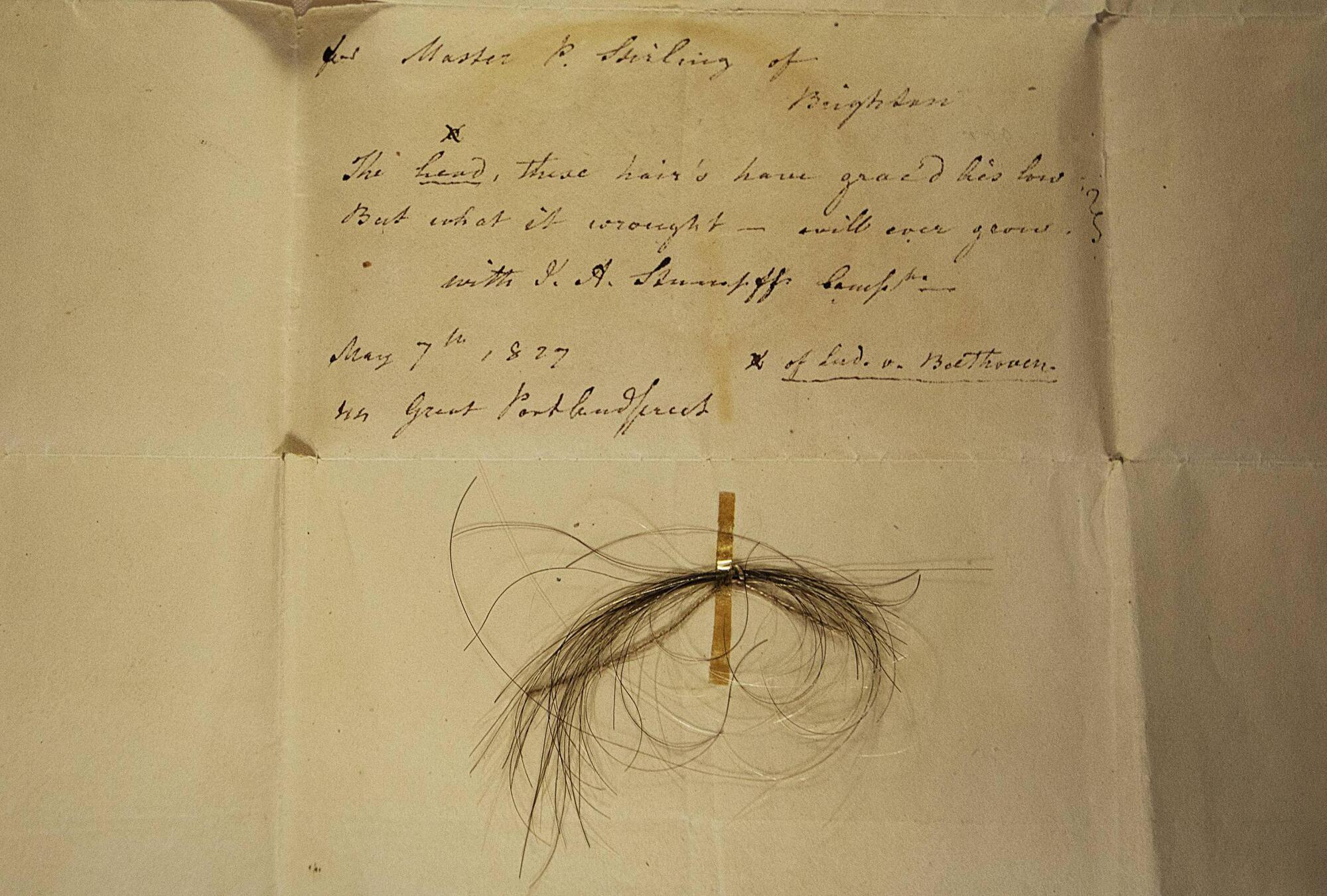
The original locks of Ludwig van Beethoven were used by an international team of researchers led by Cambridge University to sequence the genome of the world famous composer — to look for clues about his many health problems
— W B Yeats
Ludwig van Beethoven’s ‘Pastoral’ symphony, quotes the songs of the nightingale quail and cuckoo. Its 2nd movement celebrates the soothing ambience of a murmuring brook, Nature at her most restful, while the 4th depicts the other extreme, a violent thunderstorm. ‘No one can love the countryside more than I do’, the composer declared, ‘for the woods the trees and the rocks give a man the inspiration he needs’. The divine music of this extraordinary genius, who led the transition from Classicism to Romanticism, is an evocation of Nature so profound that Beethoven is one of the great naturalists.
The scientist must pursue their research dispassionately, leaving aside emotions intuitions and personal wishes. The results of doing are so fruitful that it seems almost sacrilegious to criticise so successful a methodology. But something of immense value is excluded in the scientific endeavour — the emotional and spiritual response to Nature. As the world hurtles toward global environmental catastrophe, we need the artist’s vision as never before.
Am I clutching at straws or can musicians, poets, painters, and film-makers change hearts and minds sufficiently to save us from Armageddon?
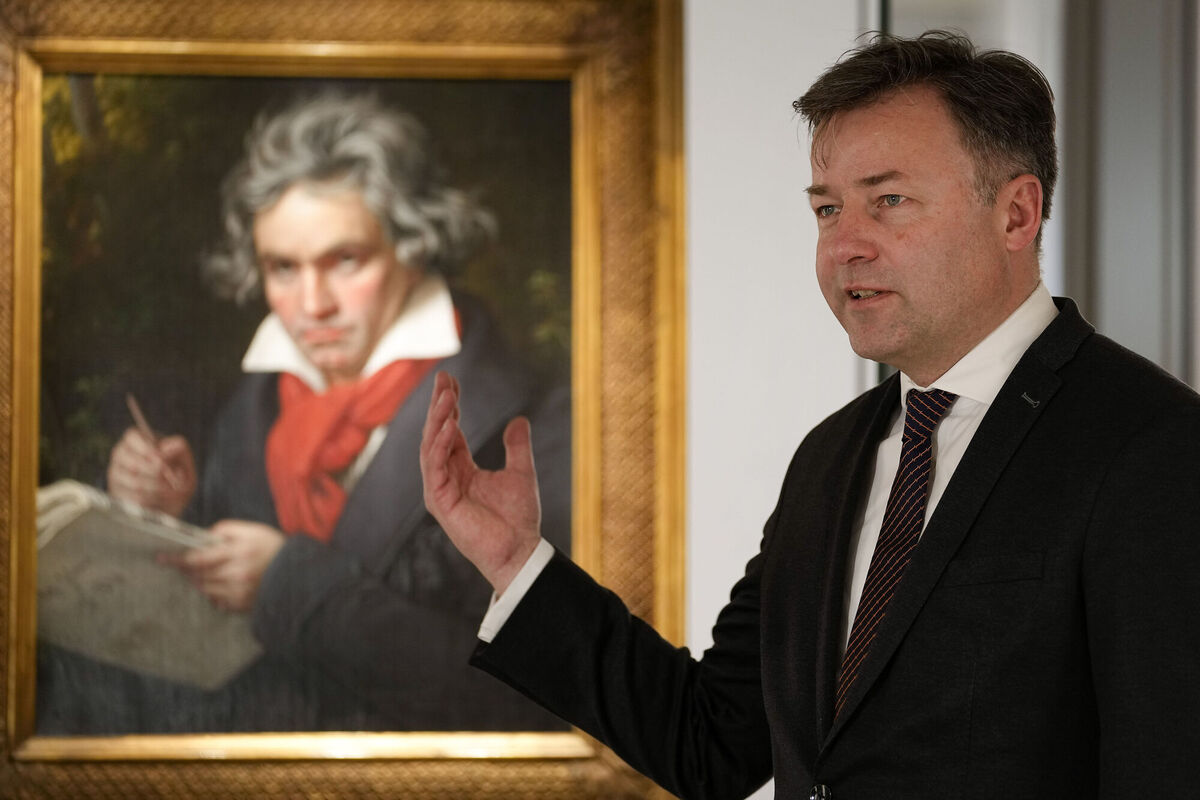
In 1792, aged 21, Beethoven moved from his native Bonn to Vienna, the capital of the musical world, where he would be acclaimed as a virtuoso pianist and composer. Six years later, he noticed a decline in his hearing and began suffering from tinnitus. The condition worsened steadily, leading eventually to almost total deafness, the ultimate nightmare for a musician. He died in 1827 aged 57.
Medical knowledge was rudimentary back then; historians could only speculate as to the cause of his deafness. Did it spring from a genetic predisposition? Now, two centuries after his death, it is possible to identify at least some of the ailments to which he was prone.

Sequencing his DNA might seem unacceptably intrusive... shouldn’t the poor man be left in peace, you might ask? Following his death, however, a document addressed to his brothers was discovered among his possessions. In it, the composer asks that the cause of his death be determined and the results made public.
At very long last, the publication of the flagship paper of The Beethoven Genome Project. Lots of ground is covered in this paper and the interpretations of almost all of the major findings will, I hope, promote interesting and high-quality debate. https://t.co/yFpGEmJOJx
— Tristan James Alexander Begg (@BeggTristan) March 23, 2023
Now an international team has attempted to do this. Its findings appear in a paper just published. There are 22 co-authors.
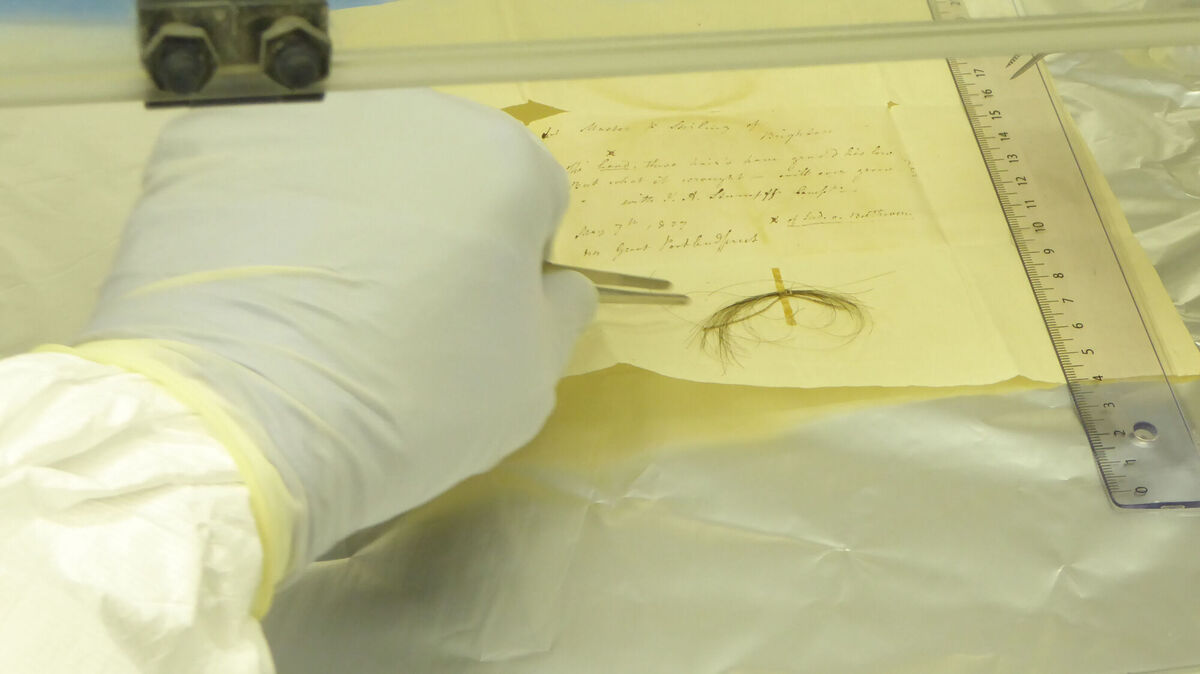
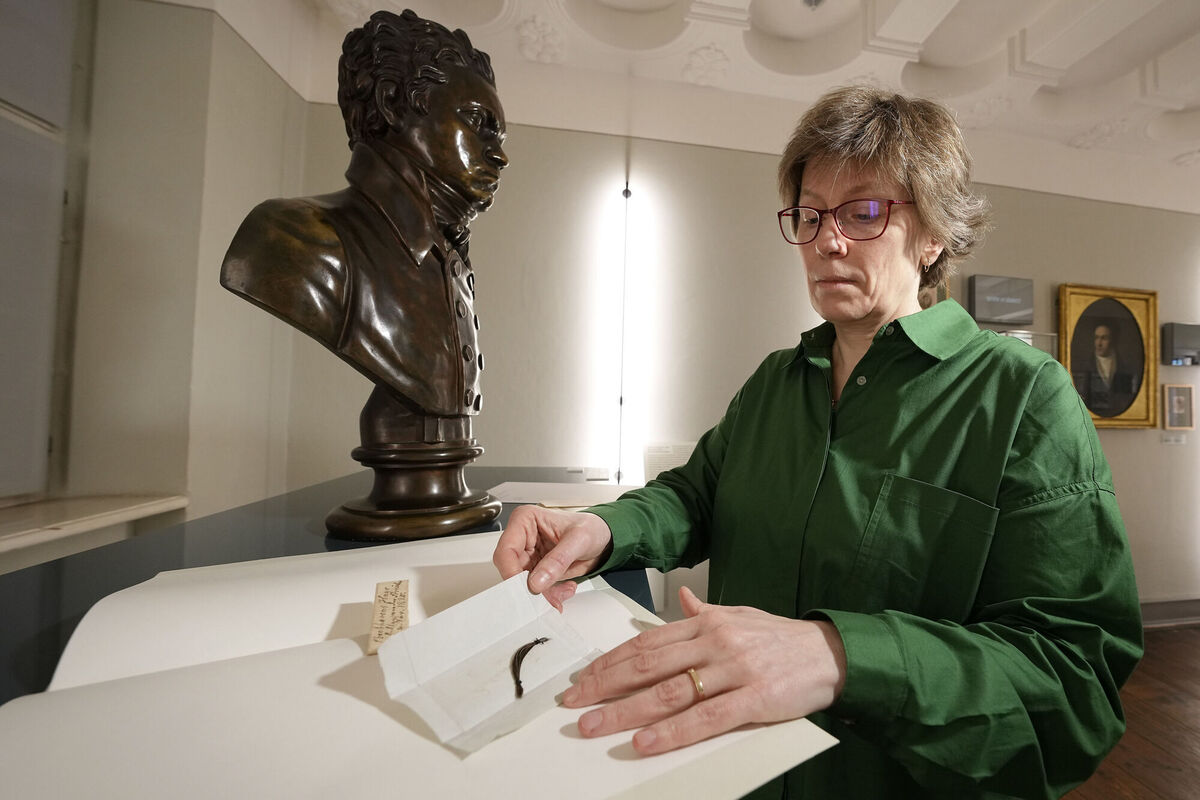
Eight locks of hair, claimed to be Beethoven’s, were subjected to genetic analysis. Five of them proved to be from the same male; it’s almost certain that they are authentic. From these tissue samples, dating to the last seven years of his life, some of the composer’s genome has been painstakingly recreated.
The scientists conclude: "Although we could not identify a genetic explanation for Beethoven’s hearing disorder, we found that Beethoven had a genetic predisposition for liver disease."
The analyses revealed "a strong genetic risk of liver disease which may have been compounded by alcohol and an infection with hepatitis B".
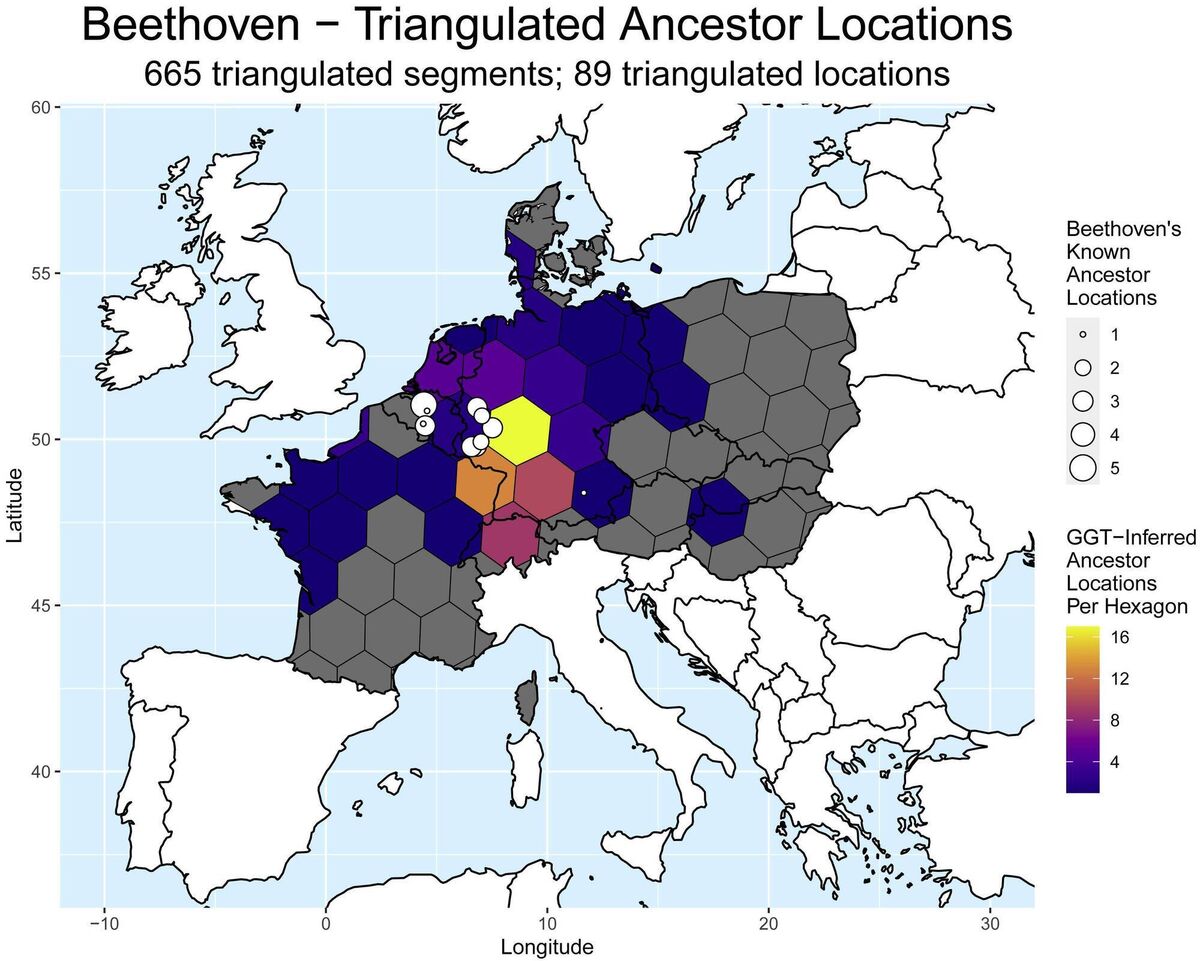
Although this analysis did not identify the cause of his deafness, advances in genetic research may yet unlock the secret.
‘Music is a higher revelation than all wisdom and philosophy’ — Beethoven.
CONNECT WITH US TODAY



Be the first to know the latest news and updates