Video: Garden scraps — hedgehogs stand their ground
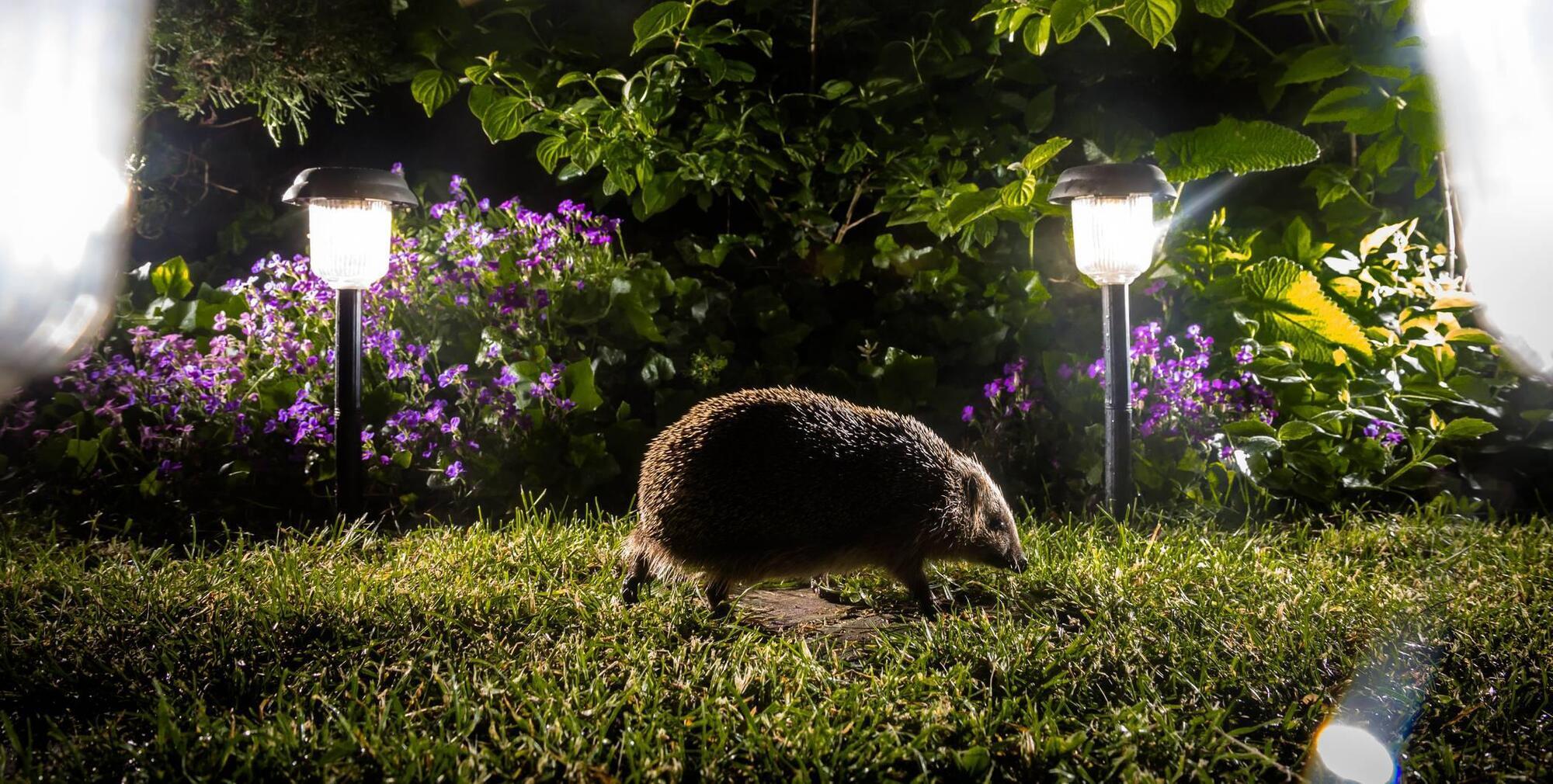
Hedgehogs tend to quarrel only with other hedgehogs, according to researchers. In one case, a hedgehog was pushed down a flight of concrete, and another into water. The scientists termed this behaviour ‘barge and roll’ and deemed it to be competitive
The domestic cat, with its lethal claws razor-sharp teeth and lightning-fast reflexes, is well able to take care of itself in a tight corner. A dog provoking an angry cat gets a rude awakening.
You might expect, therefore, that the humble hedgehog, with no lethal weapons at its disposal, would not face down a cat but, according to a paper just published, you’d be wrong!
This urban insectivore stands its ground, curling itself into a spiky ball, whereupon there is nothing Puss can do to harm it. However, the spines are useless against a badger’s much more powerful jaws. Accordingly, hedgehogs give Brock a wide berth and avoid areas where he is present.
Explosion in the human population worldwide has led to the rapid growth of cities. A relatively new type of habitat is proliferating; the urban garden. Humans are an untidy lot; food scraps, and the discarded remains of lunches eaten on the hoof attract creepy-crawlies and the creatures who prey on them. Food put out for birds ends up on the ground. Well-cropped lawns give easy access to worms and other soil-dwelling creatures — an invitation to animals which dig for a living.
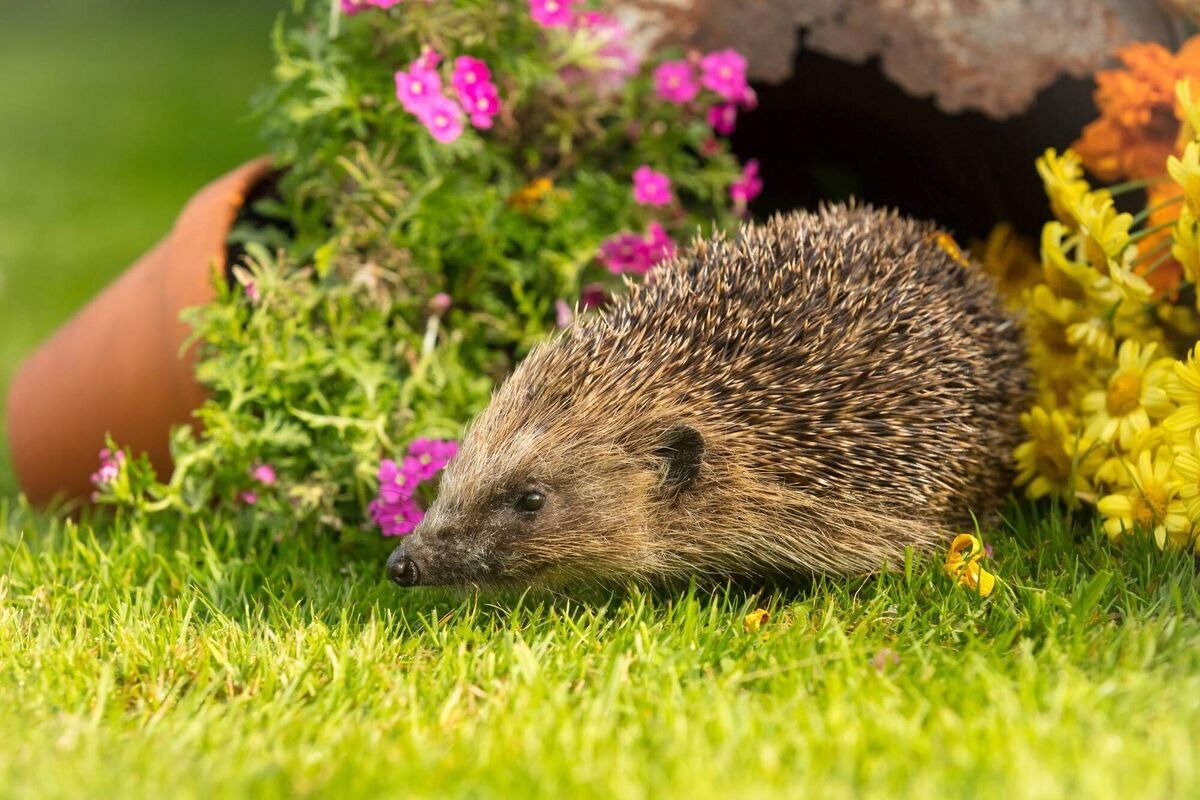
Nor is food the only attraction: city temperatures are higher than those of the surrounding countryside; gardens offer shelter in winter and places to rear young in summer.
Leopards have taken to urban living in India, raccoons are squatting in American towns, while wolves and bears visit refuse dumps in Eastern Europe. Irish foxes, hedgehogs, grey squirrels, and even badgers, have gravitated to suburban gardens.
Looking at the interactions between #UrbanMammals - preliminary results suggest cats dominate foxes at supplementary feeding sites! 🐈 Thanks to Dr Bryony Tolhurst for the v interesting talk, incl. Fleet the fox who travelled 70 miles from Brighton to Hastings! 🦊 #MSAS19 pic.twitter.com/za4u9zyKyA
— Mammal Society (@Mammal_Society) October 9, 2019
But there’s a dark side to their new Promised Land — predators also welcome the bonanza. The new animal residents encounter not only each other, up close and personal, but also the resident monarch of suburbia, Felis catus, the domestic cat, an ancient blow-in from North Africa. Magpies and hooded crows attack defenseless newly-fledged birds in the walled colosseum of a potty-trained suburban garden. Peregrines ‘stoop’ on pigeons. Slug pellets are poisonous; and not everybody welcomes a badger, or fox, digging for worms on the lawn.
So how do these creatures, living closer together than they did in the countryside, respond to each other’s presence? Do they get along together? Are there cat-and-mouse-style paradigms?
Dawn Scott of Nottingham Trent University has been keeping a perceptive eye on the activities of urban mammals. She is the lead author of a recen t paper on animal interactions in gardens. Her team analysed camera footage, taken by members of the public, to study encounters between the new animal citizens.
In more than 300 instances, where different species were recorded together, more than half of encounters led to squabbles.
Cats seemed to have a particular hatred of foxes. Three-quarters of meetings between them led to fights in which the foxes were forced to back down. Hedgehogs tended to quarrel only with other hedgehogs. A hog would charge at an opponent causing it to roll into a ball. The attacker would then roll the ball away. In one instance the victim was rolled into water. Badgers, despite being top-dogs, seldom fought with each other.
The researchers noted that: "Citizen science is a useful method of investigating urban wildlife, where access to private spaces is limited, with the main challenge being access to participants across a broad geographic range, although media recruiting can partially compensate for this."
CONNECT WITH US TODAY



Be the first to know the latest news and updates