7 ways gardeners can help wildlife and make a difference
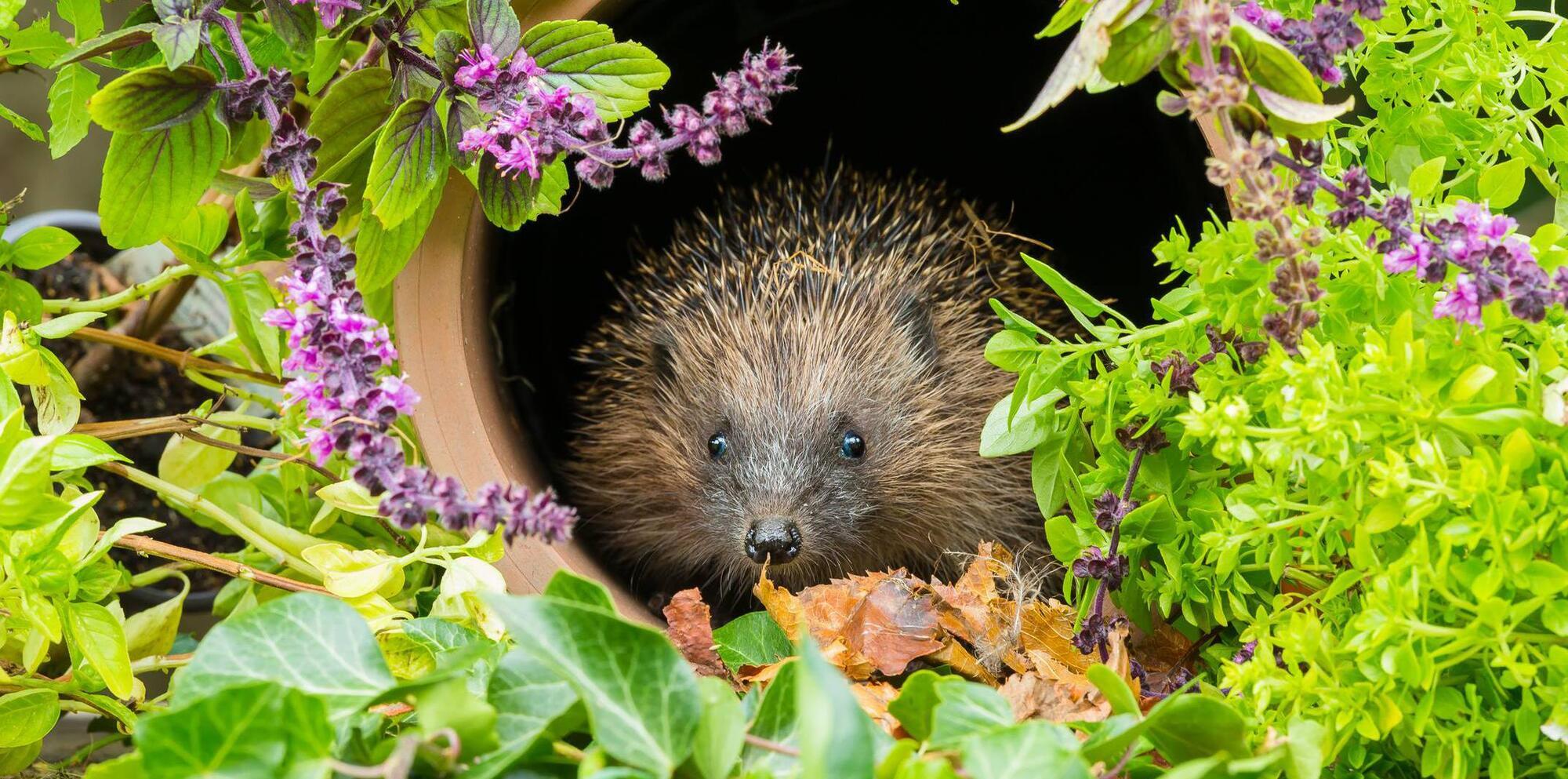
Log piles can also provide a safe, secure site for breeding or hibernating. They also attract insects, providing a year-round food supply for hedgehogs
You may think you can't really make a difference when it comes to helping our wildlife — but even if you live in a tiny urban space in a city, there are ways you can make an impact.
Just one action — whether it's filling a bird feeder, putting out water, or creating a corridor to enable wildlife to access a variety of gardens — can be beneficial, helping declining pollinators and other garden creatures to thrive.
Ahead of World Wildlife Day on March 3, experts suggest one thing you can do to help some of our regular garden visitors...
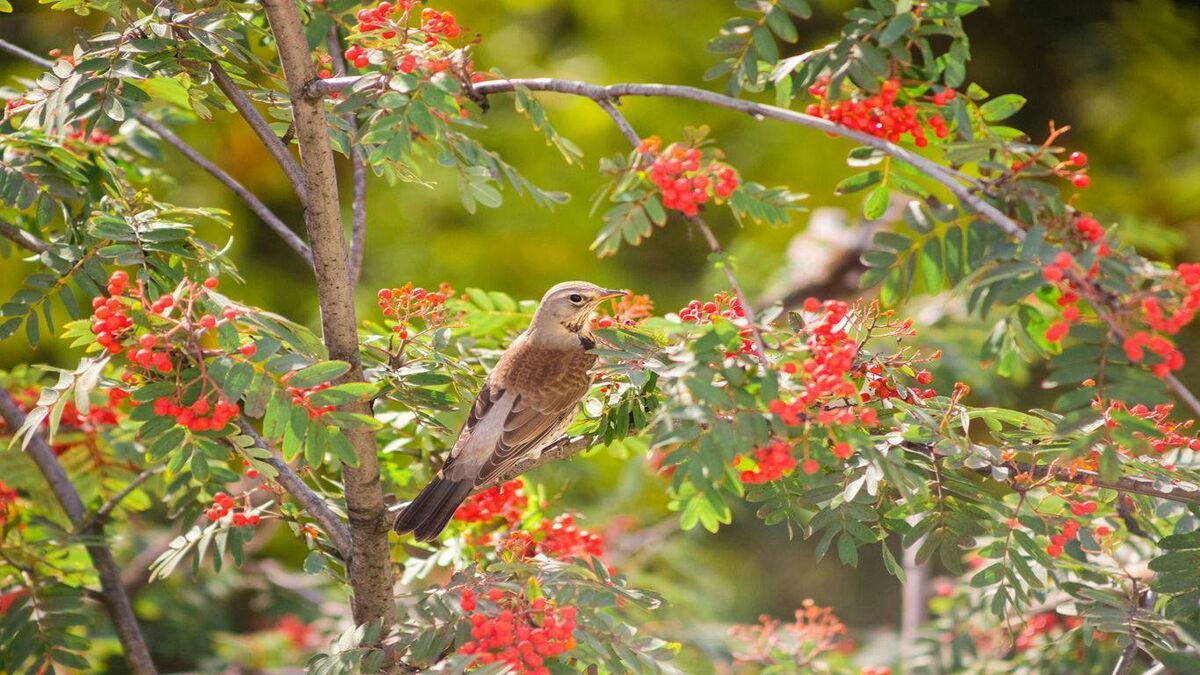
BirdWatch Ireland says: "It’s perfectly fine to feed birds all year round if you want. During the summer months, adults have to feed themselves and their chicks. If there’s food in your garden they will feed themselves on that, and that gives them more time and energy to find protein-rich foods for their chicks. It’s best to avoid fat/suet-based products during the spring and summer months, but do put out mealworms, peanuts and sunflower seeds."
Through the right planting, you can help provide a natural year-round source of food also. Choose native plants and check their labels to see what benefits they'll bring — you're looking for plants that produce lots of berries and seeds and/or attract insects. Shrubs such as cotoneaster, pyracantha, rowan and holly are great, along with climbers like ivy and honeysuckle.
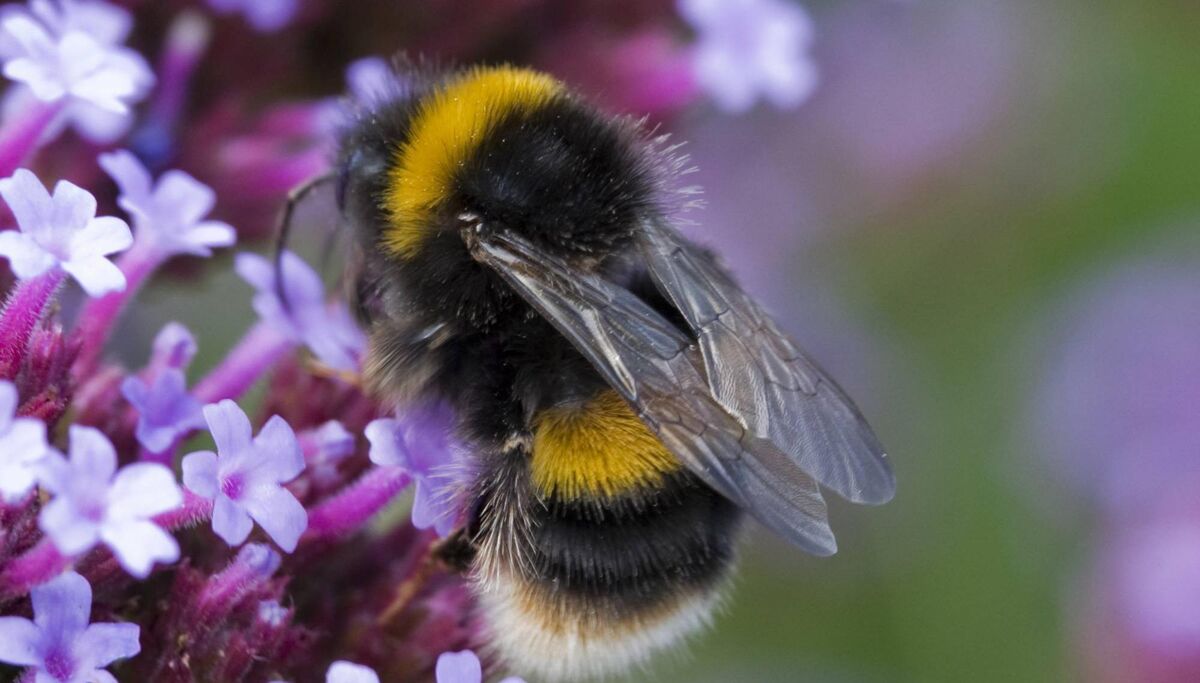
If you only have a small outdoor space on a balcony or roof terrace, create versatile containers for bees emerging from hibernation, using early bulbs such as snowdrops and crocuses to tempt them in, adding drought-tolerant herbs such as lavender, rosemary and hyssop to provide nectar later on.
3. Butterflies
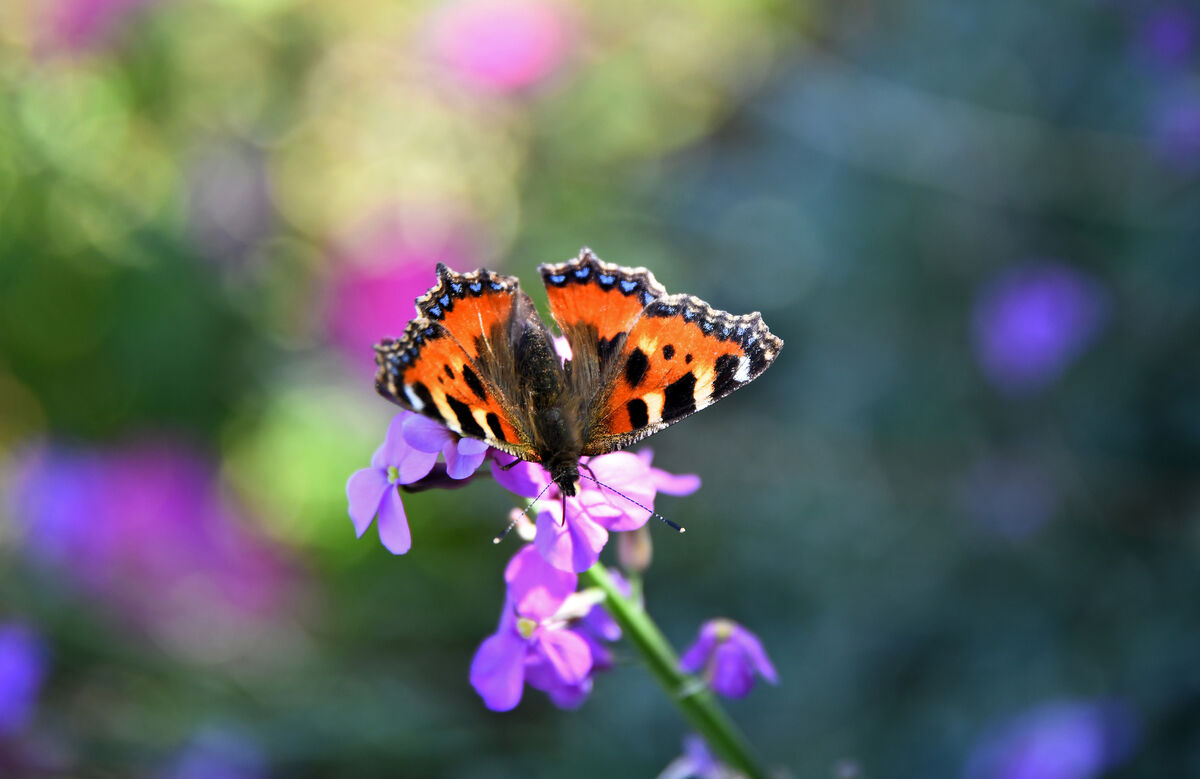
With 18% of the native Irish butterfly fauna under threat of extinction and a further 15% categorised as 'near threatened' due to declines in habitat quality according to Ireland's National Parks and Wildlife Service, it is vital to protect these garden visitors.
Leave sections of your lawn uncut until late summer, let hedgerows grow out and plant different types of flowers, plants and shrubs that will provide food and shelter for butterflies, including common birds-foot trefoil, green alkanets, buddleia, nasturtiums, and common knapweed.
4. Hedgehogs
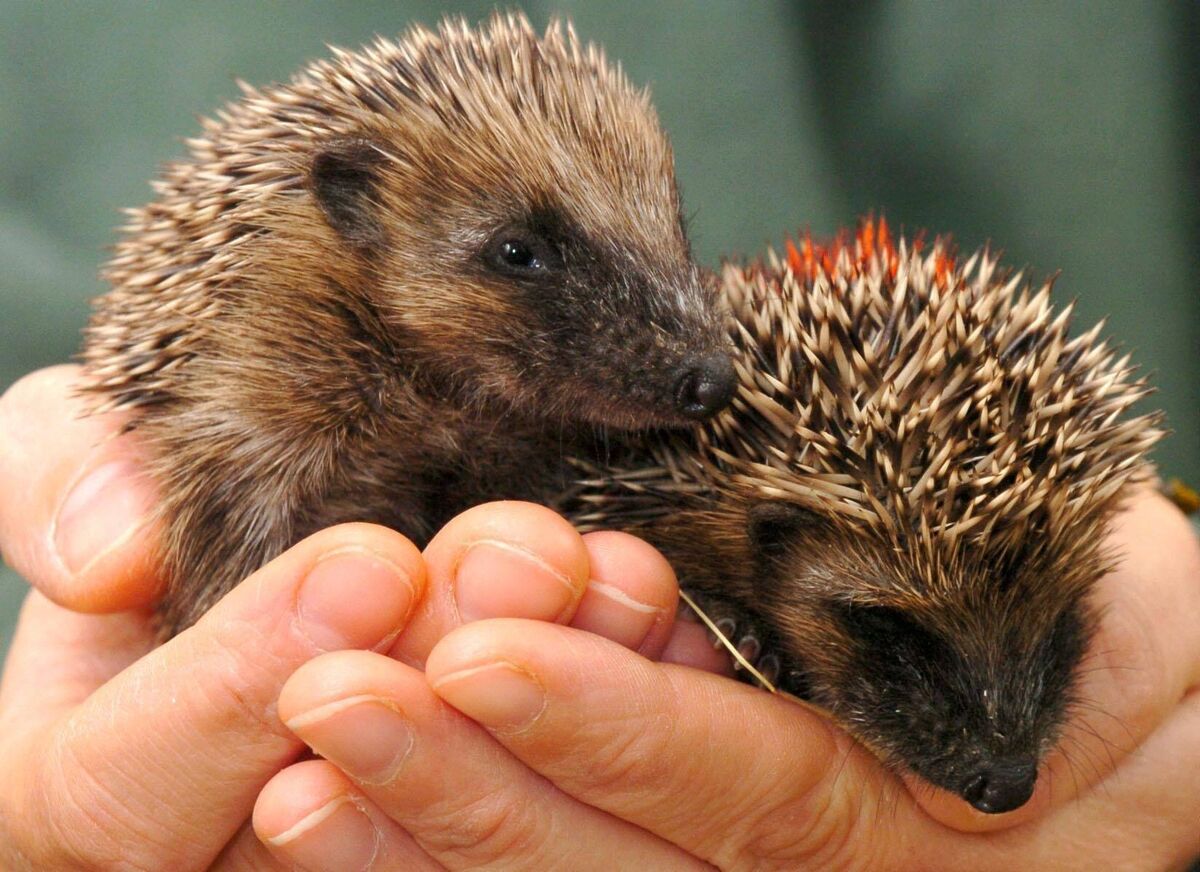
The Irish Hedgehog Survey is seeking to build a greater understanding of hedgehog distribution and population status across the island of Ireland. The survey is a collaborative project between researchers in NUI Galway and the National Biodiversity Data Centre.
Studies from Britain and elsewhere in Europe have found that hedgehog numbers are in steep decline due to habitat loss and fragmentation from changing farming practices and development. As the environment in Ireland is experiencing similar pressures the hedgehog population in Ireland may be similarly affected. This study will provide baseline data on the distribution and status of hedgehogs in Ireland in order to fill the gap in our knowledge.
https://biodiversityireland.ie/surveys/irish-hedgehog-survey/
Log piles can provide a safe, secure site for breeding or hibernating. They also attract insects, providing a year-round food supply for hedgehogs.
Collect any old dead wood from your garden or, if you don't have any, ask the local park or wildlife reserve for permission to take some from their supply. Then pile it up in a quiet corner of your garden and leave the hedgehogs and insects to find it, replenishing the wood occasionally when it starts to rot down.
5. Amphibians
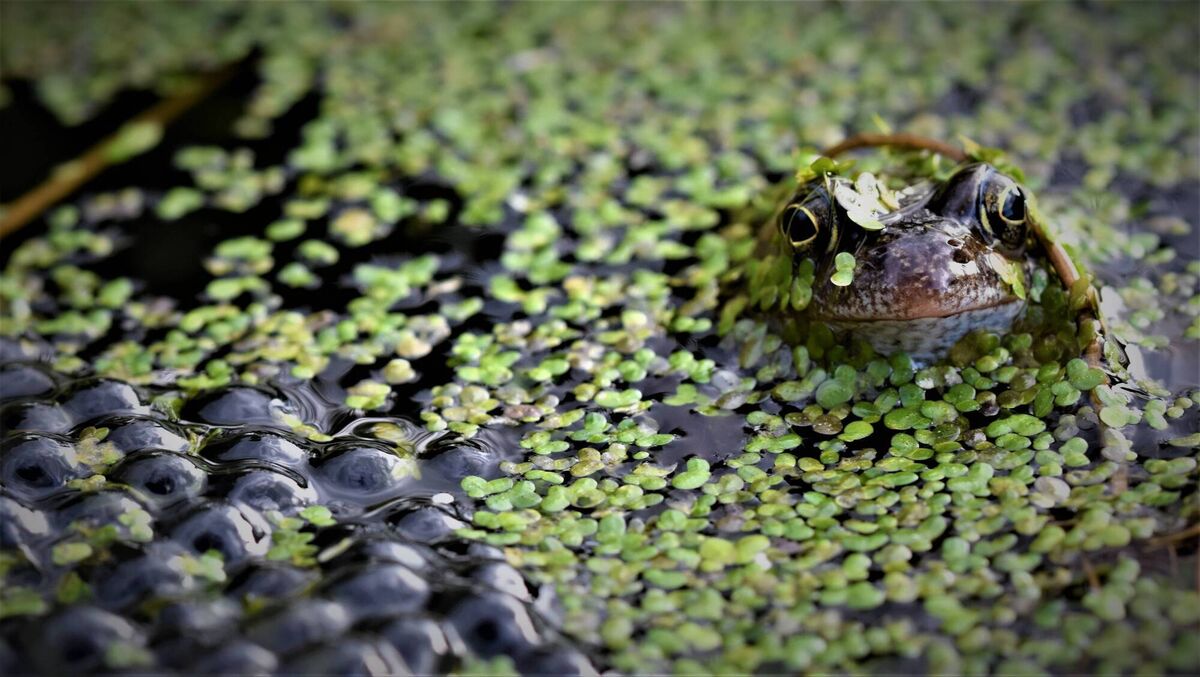
The most obvious measure is to create a pond in your garden, but make sure you allow easy exit for young frogs by gradually sloping one side up to dry land. Or, if it has steep sides, cover a ramp in chicken wire in one corner to ease their path.
In summer, create a water lily pad or position a few rocks half in and half out of the water, to allow frogs a point above the surface on which to rest or breathe.
6. Bats

Plant night-scented plants to attract insects, including moths and ultimately bats looking for an insect meal in the garden. Night-time nectar providers include evening primrose, honeysuckle, common jasmine, hebe and nicotiana, the tobacco plant.
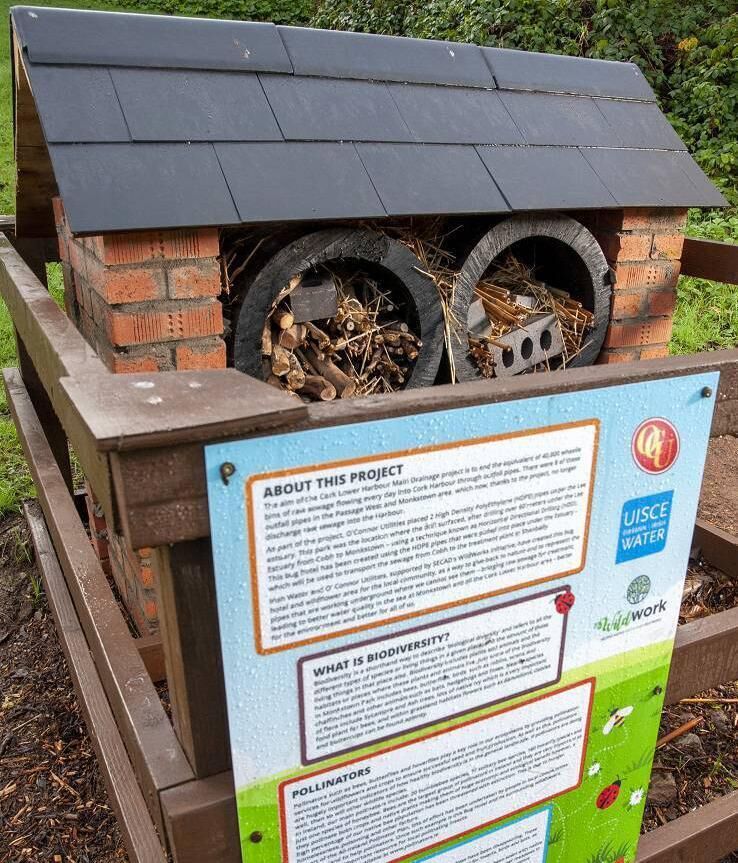
Log piles make great hiding places for various beetles, including the stag beetle and the devil's coach horse, which eats invertebrates and garden pests including vine weevil.
If you don't have enough space for a log pile, you could build a beetle bucket by cutting small circular holes in the base and sides for the beetles to access, then filling it with rotting wood and leaves and dig a hole slightly bigger than the bucket to sink it into the ground.
CONNECT WITH US TODAY



Be the first to know the latest news and updates