Islands of Ireland: Gulls, rabbits — and a blowhole — on Ballycotton Island Small
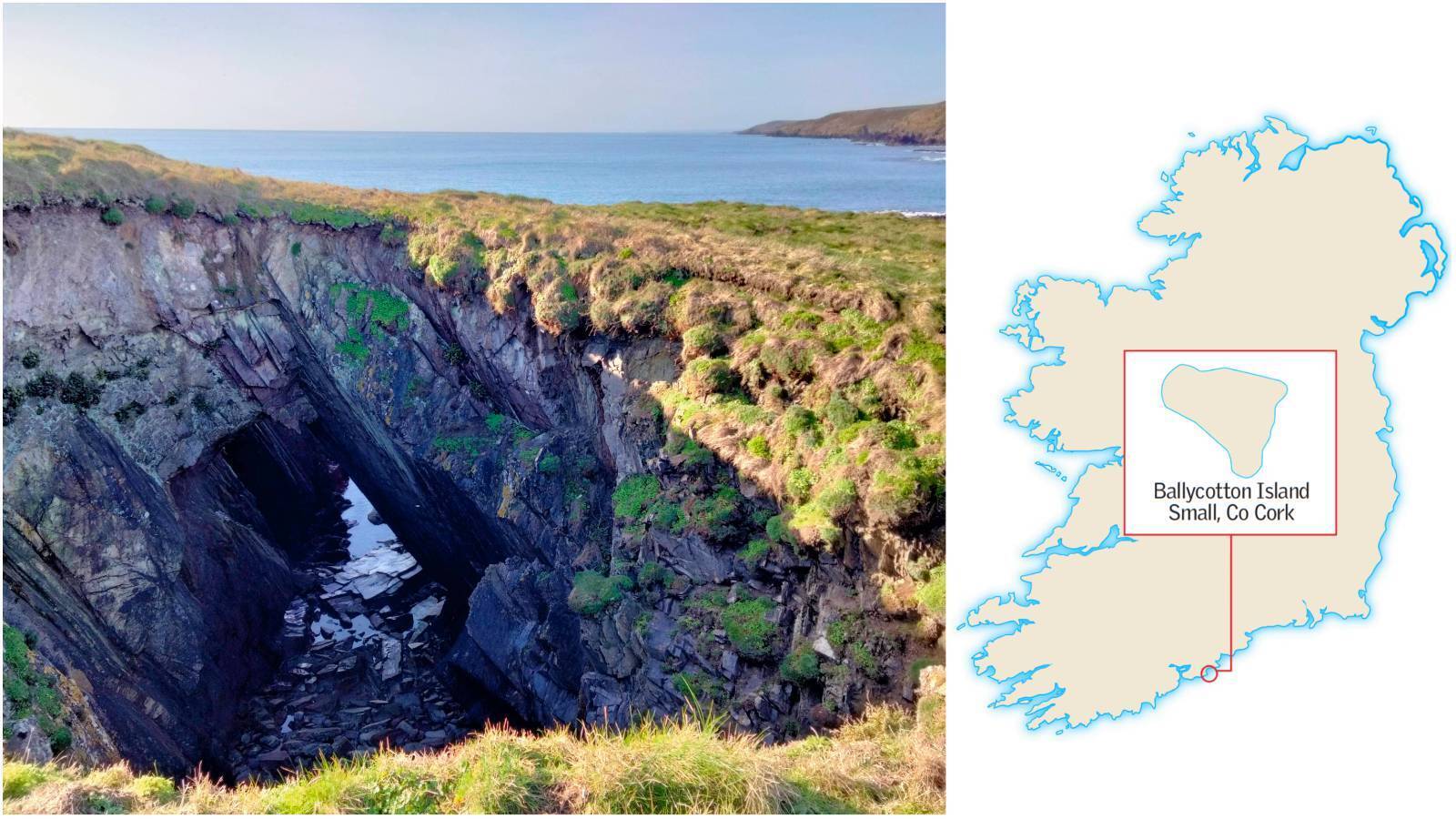
Islands of Ireland: Blowhole at Ballycotton Island Small, County Cork. Picture: Dan MacCarthy
Save for a quartet of cormorants drying their wings above a surging sea and the presence of a nosy kayaker, this sizeable island, which is not renowned for receiving visitors, is empty for this visit on a beautiful spring morning.
Ballycotton Island Small, and we will resist the temptation to call it BIS, is an island vastly overshadowed by its near namesake. Where Ballycotton Island has a stunning lighthouse, (a rare black design to differentiate it from the Capel Island beacon a few kilometres to the east when it was constructed), and an aspect beloved of photographers from the vantage at Garryvoe Beach, poor old Ballycotton Island Small would seem to have nothing going for it.
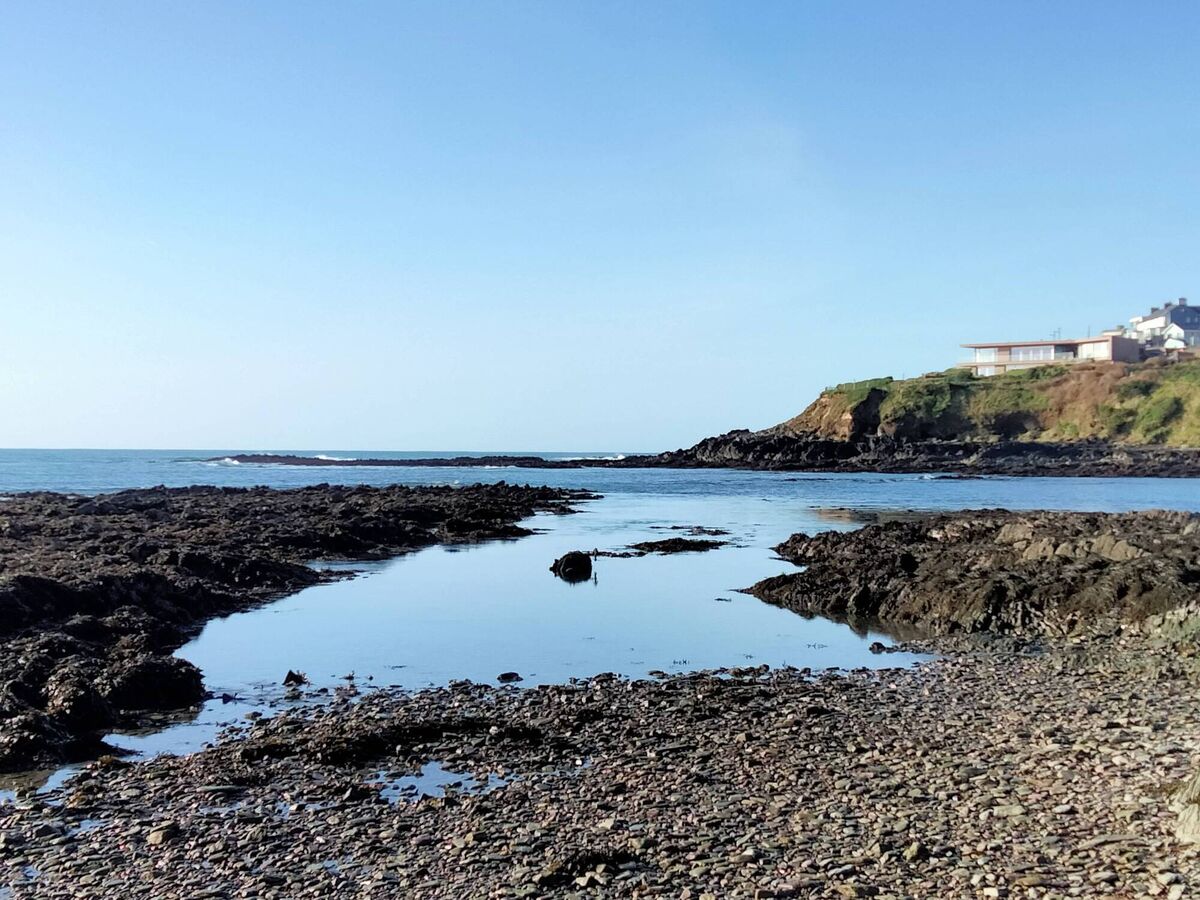
Apart from a thick carpet of grass that covers almost the entire island and which provides a home for several bird species, it is an island seemingly bereft of interest. Where the main island stands tall at over 50m, its proportions exaggerated as there is nothing sizeable near it so that it looks huge, poor old Oileán Beag is a lowly 15m and as it is so flat, it barely even looks that. Throw in an inclement sea that often looks like submerging it and it might not even classify as an island betimes.
However, it holds its own when it comes to birdlife. Where the lighthouse island has to make do with fulmars, several species of gull, and cormorants, its little brother, according to a recent study, also has several gull species, along with oystercatchers and a pair of breeding shelduck. In addition, several Iceland gulls have been seen in recent weeks lending it a bit of an exotic cachet. And there is a distinct path around the northern shore suggesting rabbit activity — and possible burrows elsewhere bolster this theory.
Smallest promontory fort in Ireland? CO089-086 Ballycotton Small Island #Cork The islet is cut off by a 12m stretch of sand, but can you see two short lengths of bank and ditch facing larger island? Gap is the entrance gap. Markus Casey collection pic.twitter.com/jnL9RQ98RD
— The Heritage Council (@HeritageHubIRE) July 8, 2020
The island can be walked to at very low tide, which effectively means spring tide, as otherwise it is a challenge to overcome its rugged reefs on the littoral shore. The island would appear to be suitable for a herd of goats such as those which roam the main Ballycotton island as well as Capel Island a few kilometres to the east. None do. And, of course it is uninhabited, and always has been, with not a sign of manmade activity in the form of monuments.
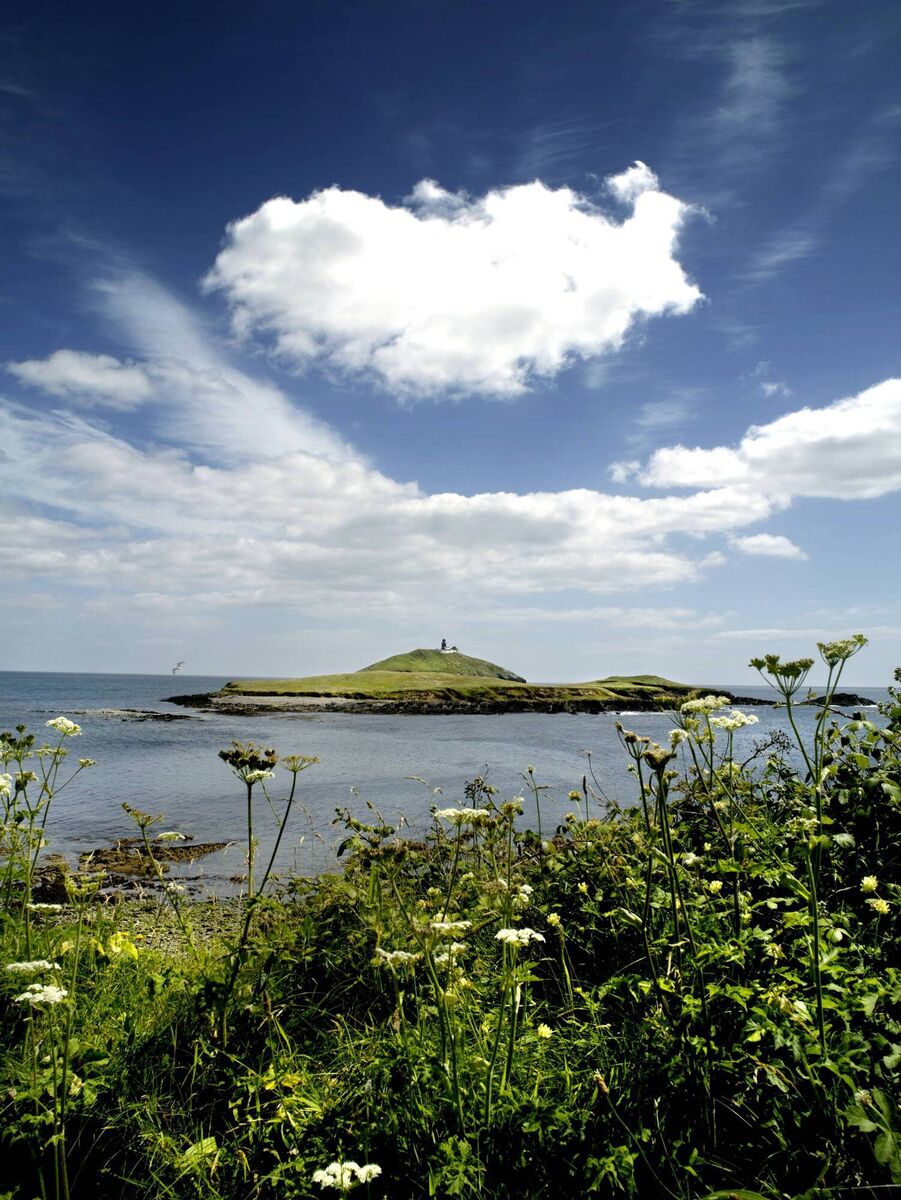
Fishing boats pass the two islands as they head into deeper waters and the passenger boat to the larger island is a regular presence. The views west from Ballycotton Island Small encompass the busy pier and village and then to the south begins a magnificent cliff walk which can be undertaken as far as Roches Point lighthouse. Along the way at Ballyandreen Bay, out of view from the island, there is the wreck of the MV Alta which ran aground in 2020.
The standout feature for Ballycotton Island Small though, is its blowhole, evocatively called Thunder Hole or Poll na Chaora (Hole of the Sheep and Poll na Caoin on Google Maps). As blowholes go, it is not especially deep at about 10m, and is especially wide at about five metres. A dramatic sea arch allows the seething sea ingress, and with its south-facing aspect, it provides a gaping window for the furious sea to infill and blast upwards. This boisterous pit suggests perhaps the nesting place for a monster — a kraken perhaps —writhing in the bladderwrack. The blowhole is effectively on a satellite island on Ballycotton Island Small and steep cliffs separate it from the main body of the island. Even then, the blowhole is separated by a narrow isthmus where the sea eats in on both sides.
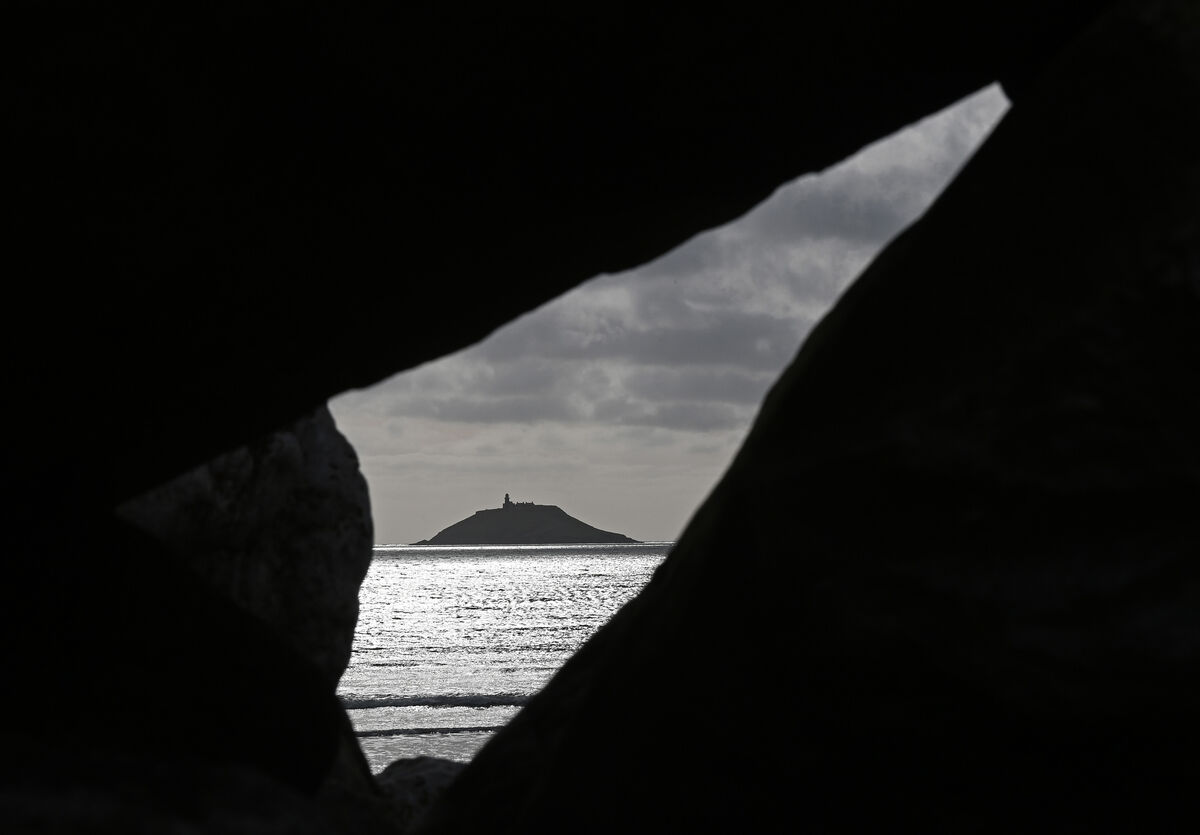
On old Ordnance Survey maps the island’s name is given as Ballycottin Island Small, and for such a small island it has several placenames of its own, as a helpful information board on the pier details. On the northside there is Scoth na Fuinneoige (Window Reef); Carraig a Rónta (Seal Rock); the southside has Carraig na bhfiach (Raven’s Rock) and Feisc.
Then more wildlife! On the way back to shore a grey seal pops up to say hello.
: Kayak from the pier or ballycottonseaadventures.com for a close look.

CONNECT WITH US TODAY



Be the first to know the latest news and updates