Richard Collins: Working to make these raptors welcome

Hen Harrier: Centuries of persecution, followed by pesticide poisoning, took a huge toll on Irish birds of prey. The National Hen Harrier Survey 2022 should give us an idea how they are faring now
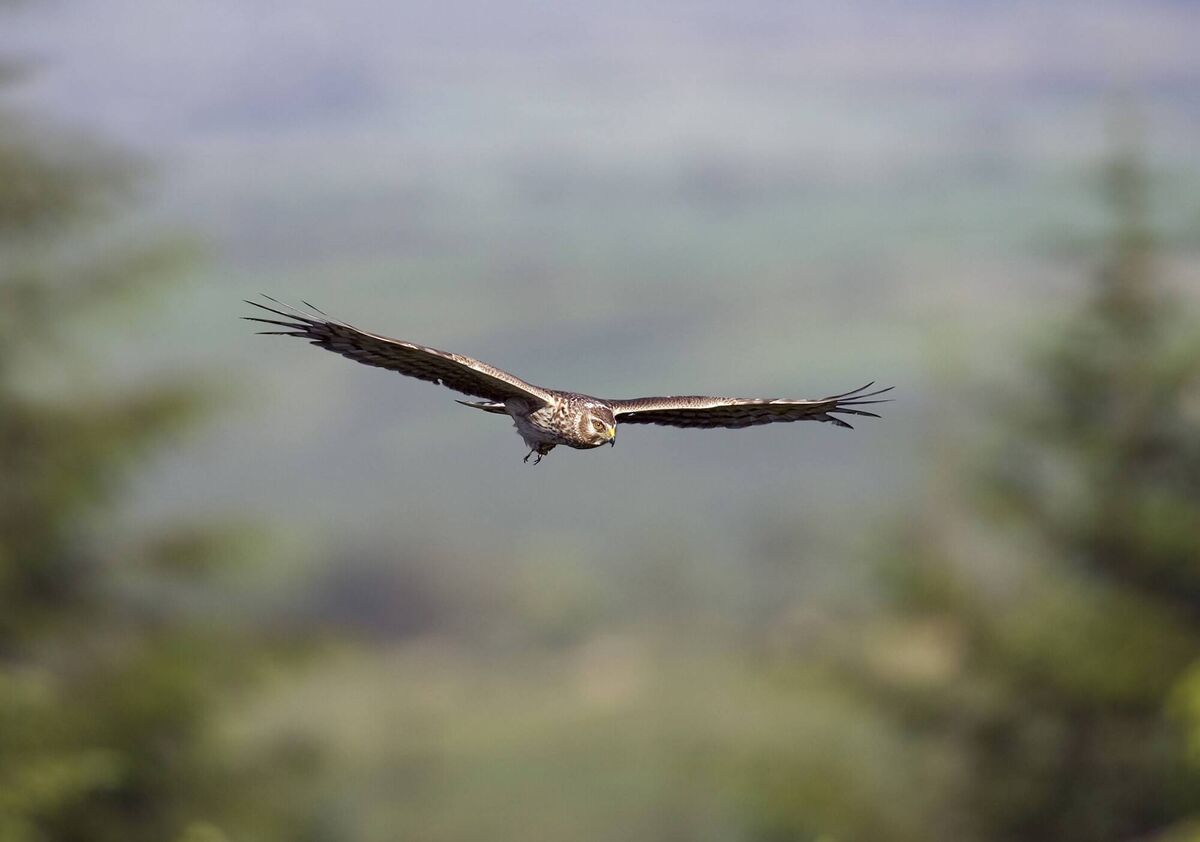
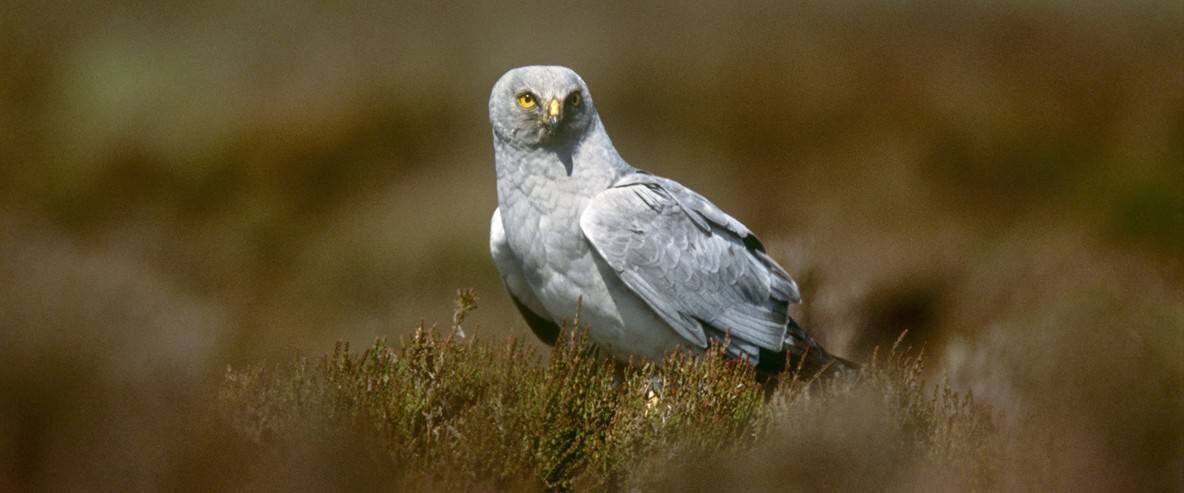
If you spot what looks like a gull wheeling low over a bog, don’t be fooled. Are the wings held in a shallow ‘V’, when it glides? If so, the bird is probably a hen harrier. The pale-grey male is known as ‘the seagull hawk’ in the west of Ireland.
This chicken-coop-raiding harrier, ‘gets its name among our countrymen for butchering their fowls’ wrote William Turner, ‘the father of English botany’, in 1544. Females, dark brown with conspicuous white rumps, are called ‘ringtails’. The sexes are so unlike that even the great Francis Willoughby thought that they belonged to different species.
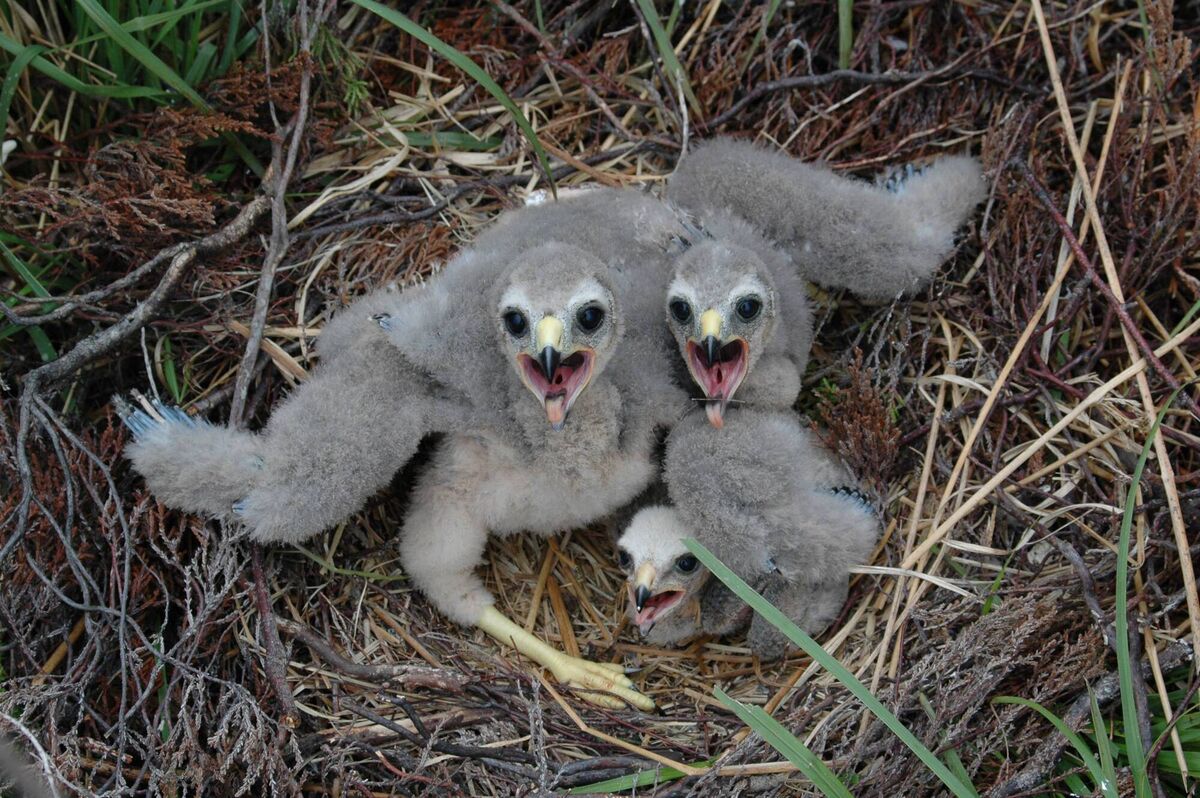
Harriers keep their distance from us nowadays. However, according to the authoritative these uplands dwellers are ‘relatively indifferent to man except where persecuted’. A Norwegian pair, the authors note, nested within 10 metres of a busy railway line.
Centuries of persecution, followed by pesticide poisoning, took a huge toll on Irish birds of prey; the red kite osprey marsh harrier and our two eagles went to the wall. Only three species of large raptor survived. The buzzard declined to the verge of extinction. The hen harrier and peregrine managed to cling on in the remote uplands, like Jacobite outlaws on the run.
The harriers' fortunes improved in the 1950s, when young forestry plantations mushroomed. These provided secure nesting locations and increased the numbers of small mammals and birds the harriers hunted. When the conifers matured in the 1970s, however, the bonanza ceased. The forest habitat no longer suited harriers and their numbers began falling again. Between 108 and 157 breeding pairs were recorded during a national survey in 2015. We should have a better handle on the current situation when the results of the National Hen Harrier Survey 2022 are available. Fieldwork has just come to an end. Participants are asked to submit any remaining data they have, as analysis of the results is underway.
Persecuted throughout Britain, the hen harrier survived in Scotland and in the north of England, which is odd, considering that grouse shooting is such a lucrative business there. The bird did not fare well in the south of England, however. Although a pair bred in 2009, the species has been extinct there for decades.
But harriers have repented of their free-range chicken-rustling past. Reconciliation is at hand — ‘come back hen harrier all is forgiven’! Moves are afoot to help the species return.
Young French and Spanish birds have been brought to England for a reintroduction project. Harriers nest among cereal crops in mainland Europe. There’s a downside to this; like corncrakes here, their chicks can be cut to pieces by harvesting machines. With careful monitoring, and a great deal of luck, nestlings can be rescued in time to save them from the blades. As part of a scheme organised by Natural England, 12 juveniles, including 10 such rescuees, were captured in France and Spain for the project.
There are six males and six females. Hopefully, some of them will breed successfully in captivity. The youngsters they produce will be released, probably on Salisbury Plain. As a result of climate change, the open grassland habitat there increasingly resembles that of the harriers’ Gallic and Iberian forebears.
CONNECT WITH US TODAY



Be the first to know the latest news and updates