A great time to plant now — before the sap starts to rise

Rowan trees provide plenty food for blackbirds and thrushes. Picture: Thinkstock/PA
'The best time to plant a tree is 20 years ago. The second best time is now.'
This ancient proverb can be applied to many aspects of life, not just tree planting, though it is equally wise to interpret the words literally and decide to plant a few trees this winter.
It will be a joy to watch them grow over the coming years: unfurling fresh new leaves each spring; casting a dappled green shade through the summer months; livening up the scene with colourful autumn leaves at the end of the growing season. Trees that I have planted in the past have surprised me with how well they have grown, a pleasing reminder that I did something really worthwhile in the past that is rewarding now.
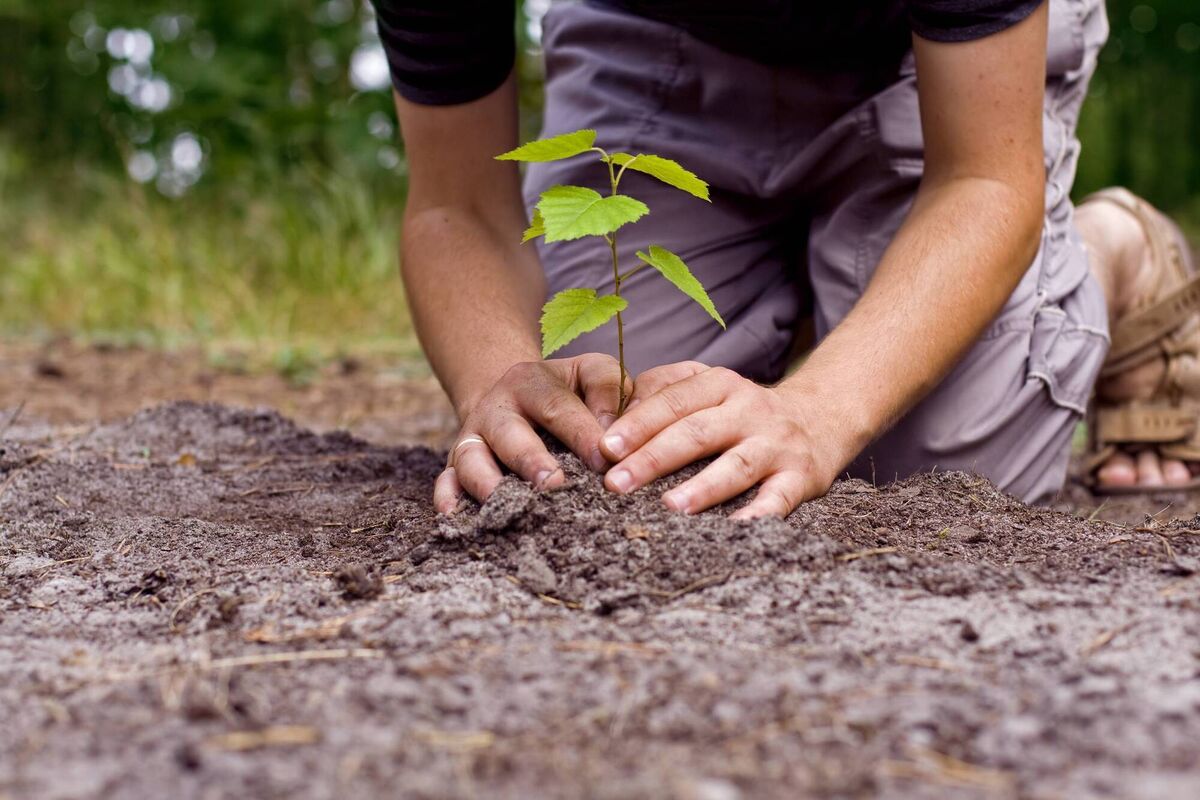
During the winter months, most deciduous trees are dormant, meaning that they are not actively photosynthesising and any sugary energy they have left over from the summer is stored away in the roots. This is why winter is generally the best time to plant deciduous trees, before the sap begins to rise in spring and the tree starts actively growing again. Bare-rooted trees have to be planted in winter. Potted trees can be planted at any time of year, though winter is still best. Avoid planting into waterlogged ground or during a heavy frost.
Deciding what trees to plant is the first step. There are about 21 tree species native to Ireland (though some of these such as willow have several native varieties so the true number is greater). Native insects, birds and mammals have all had many thousands of years to adapt their life cycles and diet to the bounty of native tree species, making native tree species the most beneficial for wildlife. Get trees that have been grown from native provenance seed sources too, rather than just native species.

WHAT IS...
Biodiversity
...Read more
Look at which native trees are growing well in the landscape around you for clues about what might grow well on your land or your garden. If you’re deciding to plant in a small or medium-sized urban garden, chose a type of tree that won’t grow too big, such as rowan, birch, hazel, holly, crab apple, and wild cherry. If you don’t have access to a garden, investigate whether there might be a community tree-planting project in your area. Groups of people are out planting up small woodlands through the winter months all over the country, it’s a lovely way of meeting new people and participating in future positive projects.
stand out beautifully in spring when they are erupting with white blossom. By August each cluster of flowers develops into big bunches of gorgeous red and orange berries. Because rowan trees don’t grow very large, they are well suited to gardens and city streets. They produce so much fruit that they are hugely popular with blackbirds, thrushes, and lots of other birds too. The German name for Rowan tree is ‘Vogelbeere’, which translates as ‘bird berry’. Rowan can tolerate acidic soils, which is why we often see them in upland environments.
My personal favourite is , for its historic significance and its aesthetic beauty. Hazel grows as lots of stems, rather than one central trunk, and each long straight rod has a smooth golden-hued bark that shimmers in sunlight. Hazel supports a lot of life too, from lichens on the bark to caterpillars munching on the big, soft round leaves.
trees are an ideal tree for planting in gardens, parks and urban areas, being so tall and wispy and light, never casting a heavy shade nor bulking out with heavy limbs. Their bark is beautiful, whether the peeling white bark of silver birch of the subtler bark of downy birch.
Birch is a pioneering tree so grows well in a variety of soil types and situations. Birch trees host a lot of invertebrates, including moths, butterflies, hoverflies, ladybirds, beetles, and lots more besides, all providing protein-rich food for birds and bats alike.
, another native species, is the food plant for more than 100 insect species. The leaves and flowers serve an enormous community of insect life: lots of different kinds of hoverflies; a whole variety of mining bees, honey bees, and bumblebees; for ants and sawflies and beetles; for dozens of different species of micro-moths and moths, for butterflies and others besides. And all those insects provide sustenance for the insect-eating birds, along with ripe red haws in autumn.
is great for borders and shady places — it has adapted to grow happily in the understorey of a deciduous woodland so it can tolerate a shady setting. An obvious appeal for holly is that its leaves stay green right through the winter and cheerful red berries on female trees are a lovely sight in wintertime.
trees are wonderful for the blossom in spring and their apples at the end of summer. True crab apples have become quite rare now, so sourcing native-provenance crab apples is worth doing. Their tart little fruits are the wild ancestors of all the domesticated apples we love to eat.
Wild cherry are famous for spring blossom and the autumn leaves produce a stunning range of peach and yellow colours that rival the beauty of their spring blossom.
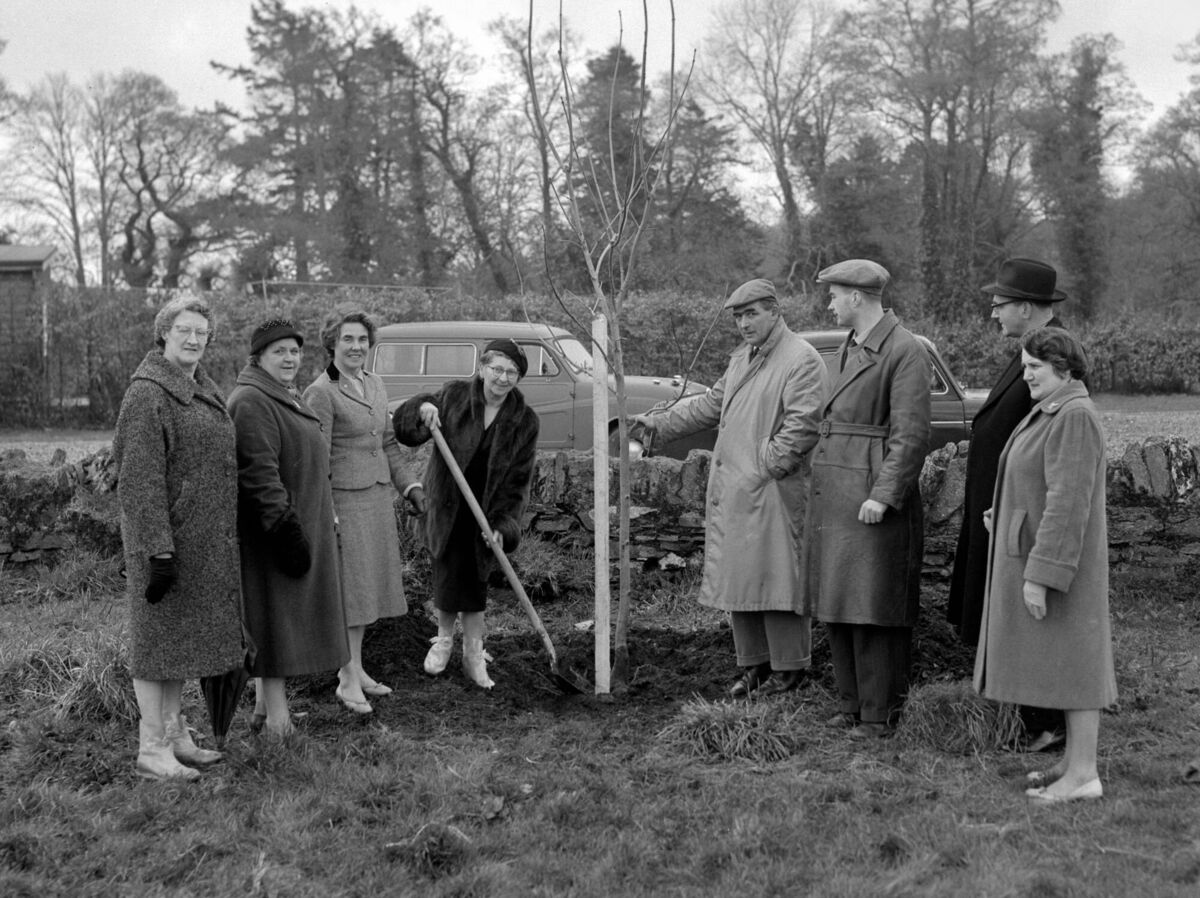
Back to the proverbs. There’s an old Greek proverb that says “A society grows great when old men plant trees in whose shade they shall never sit”. I recently heard of a 2,000-year-old story called ‘The Old Man and the Fig Tree’. In the story, an elderly man plants a fig tree. When asked if he expects to live long enough to see figs growing on the tree, he replies: "I was born into a world flourishing with ready pleasures. Our ancestors planted for me, and I now I plant for the future generations." We are not in the habit of thinking about future people, nor imagining or describing positive futures. Planting trees is one sure way to do something practical that helps pave the way for the kind of future that we would be happy to imagine our descendants living in.

CONNECT WITH US TODAY



Be the first to know the latest news and updates