Richard Collins: From Iceland to Ireland for our wild geese 
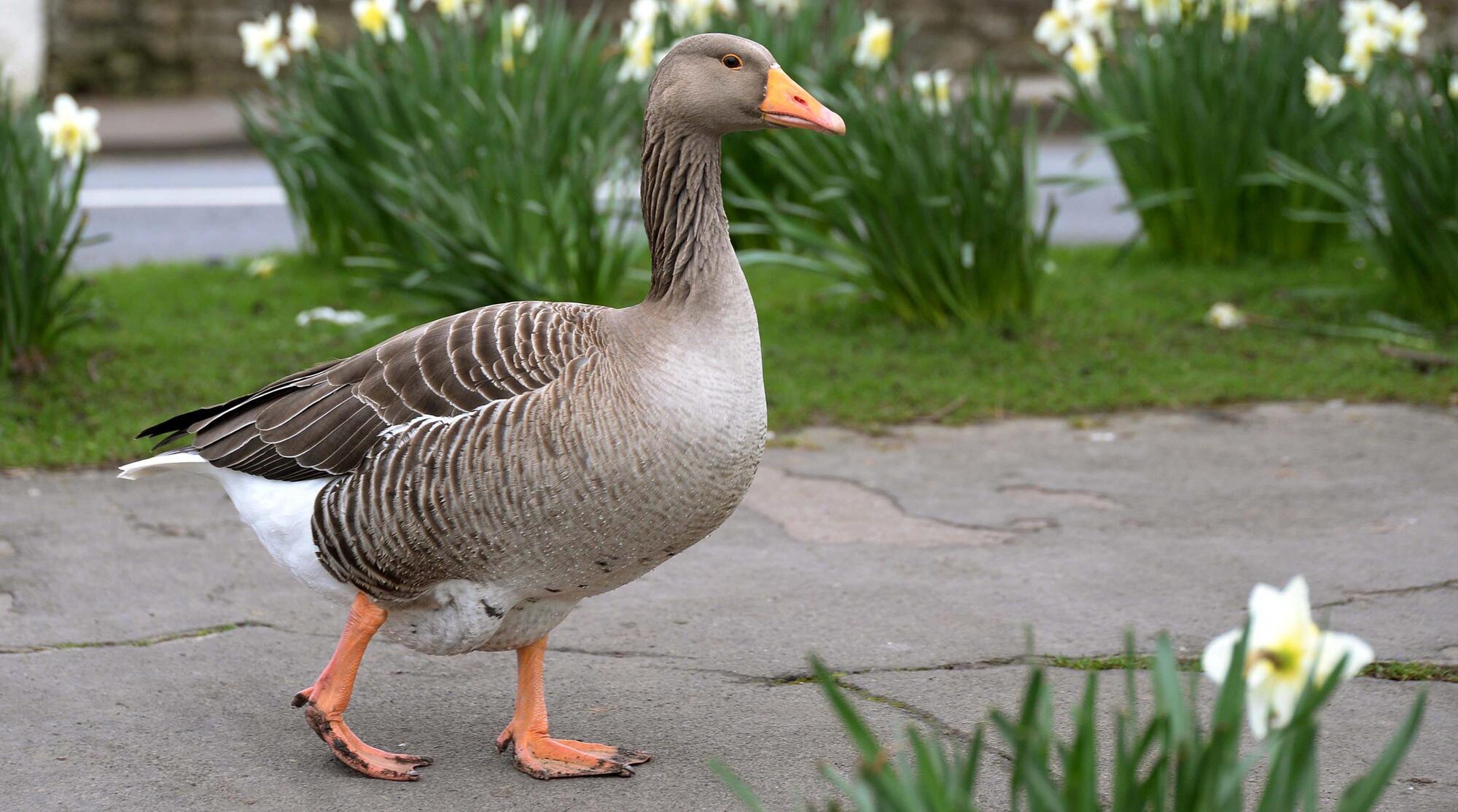
Around October, Icelandic greylags fly 1,300km directly across the ocean to Ireland. They have been doing so for millennia
Richard Collins: From Iceland to Ireland for our wild geese 

A greylag goose goes for an afternoon stroll by the Lough in Cork. Picture: Denis Minihane
“Was it for this the wild geese spread The grey wing upon every tide”

When the Treaty of Limerick was signed in October 1691, the ‘wild geese’ remnants of Patrick Sarsfield’s Jacobite army set sail for mainland Europe, never to return. Yeats’ ‘grey wing’ belonged to a goose which lags behind other geese at migration time — the ‘greylag’.

Some don’t leave our shores at all. Remaining for the summer, they are only truly wild geese breeding in Ireland or Britain. Around October, Icelandic greylags fly 1,300km directly across the ocean to Ireland. They have been doing so for millennia.

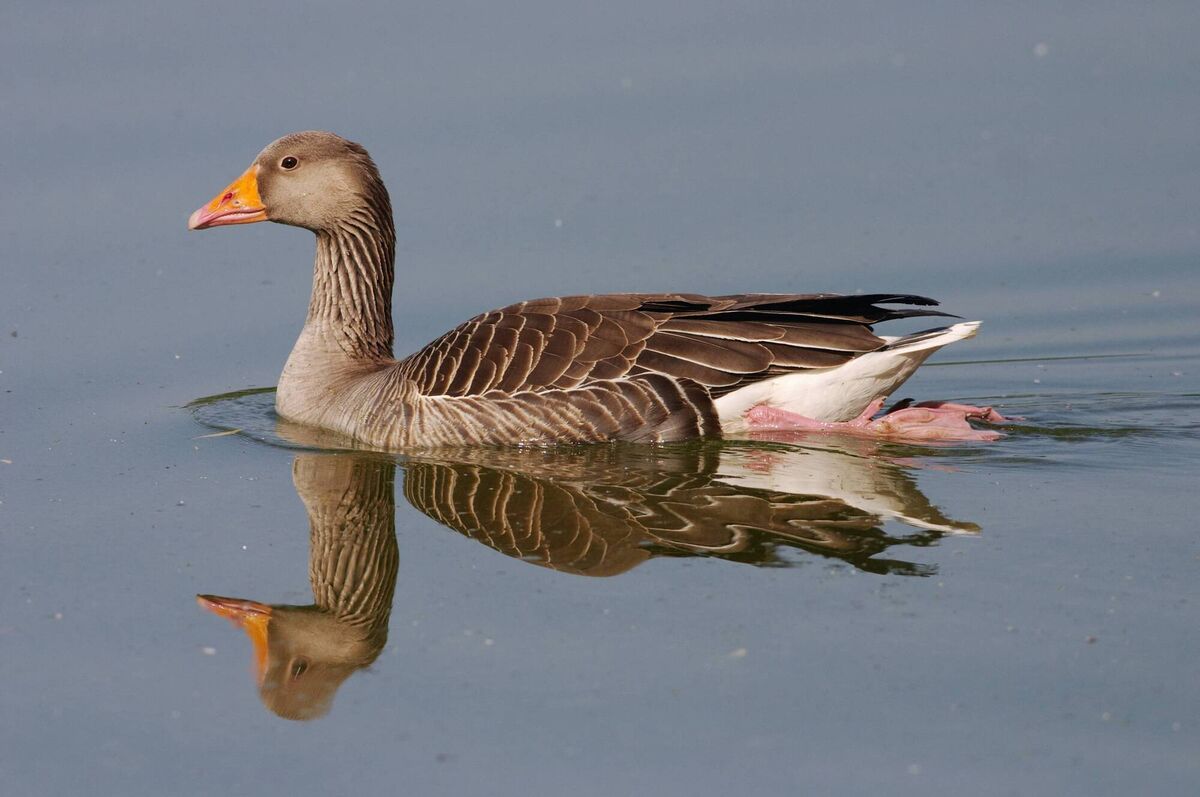
Greylag goose: this is the western form of the bird (orange bill). The eastern form has a pink bill. These geese are ancestors of our domestic geese

The British Trust for Ornithology’s latest bird-ringing report, however, has an interesting entry. Among the ‘recoveries of special interest’, it notes that a greylag fitted with a neck-collar in County Wicklow in 2015, has been recorded on the Faroe Islands — only the second ringed greylag to turn up there.

“It is likely that this individual was on route to its Irish wintering ground” the report adds. The Faroes, although lying somewhat north of the direct path from Iceland to Ireland, might serve as a ‘rest and recreation’ staging post on the journey.

The greylag, our largest wild goose, has a prominent orange bill and pale wing ‘flashes’ in flight, making it easy to identify.

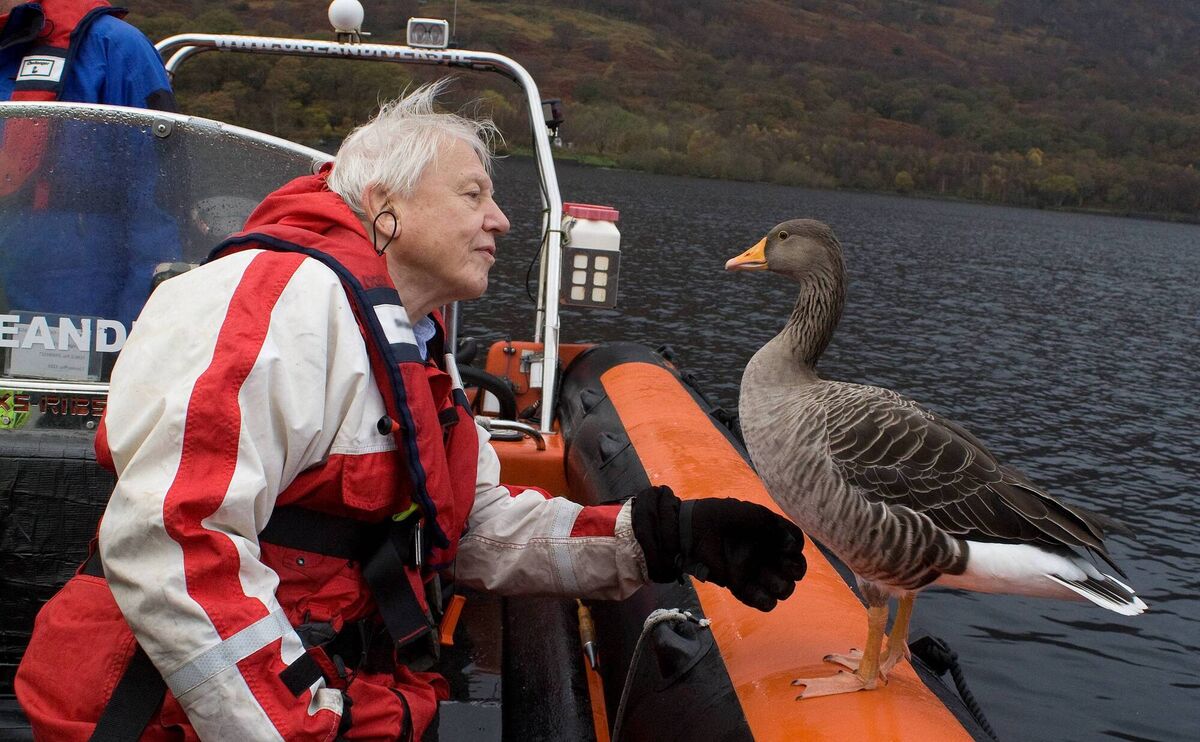
Attenborough: 60 Years in the Wild. David Attenborough in a boat with imprinted Greylag goose (Anser anser). Picture: Mary Lou Aitchison

This traditional ‘Irish wild goose’ has a chequered history. Numbers have fluctuated erratically since counting began a century ago. Up to 10,000 greylags wintered on the Wexford slob-lands during the 1940s, but there were fewer than 300 a decade later. Recent counts suggest that slightly more than 2,000 greylags ‘winter’ now in Ireland. The 8,500 geese on the slobs today are Greenland whitefronts, cousins of the greylag.
Greylags may be scarce but their DNA isn’t; the ancestors of our domestic geese were largely greylags. Geese were among the first birds to be domesticated. There’s a 3,000-year-old depiction of a greylag in El-Amara, Egypt. The Romans prized goose liver.

According to legend, the cackling of geese warned the garrison of the Eternal City of an immanent nocturnal attack by Gauls in 390BC. Goose was widely eaten here until the turkey, introduced from its native North America, supplanted it. According to Teagasc, we consume between 11,000 and 15,000 domestic geese each Christmas.

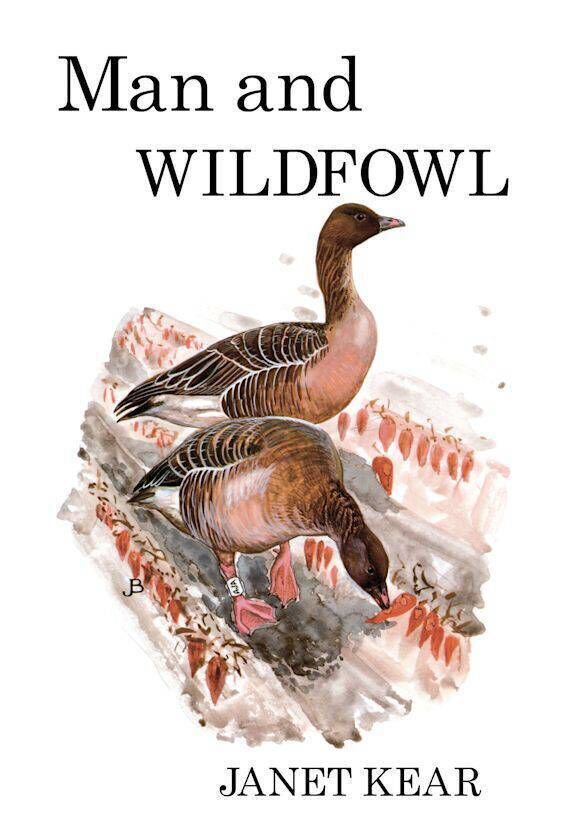
Man and Wildfowl by Janet Kear: The involvement of humans with ducks, geese and swans has probably been closer than with any other group of birds, today and for several millennia past. 

Janet Kear in Man and Wildfowl gives figures for goose consumption in London during the 19th Century. Of 38,000 geese arriving in Leadenhall market at Christmas 1877, 10,000 were Irish; ‘5,000 fed in England and 5,000 killed in Ireland’. By then, geese could be transported by train, whereas they had to be ‘walked’ to the cities previously.

Kear notes that: “On 2 September 1783, a drove of about 9,000 geese passed through Chelmsford on their way from Suffolk to
London.”

‘To shoe a goose’ means to engage in a foolish enterprise. To protect their feet during the long walks, some geese were ‘shod’. They had their feet dipped in tar and were ‘walked’ over sand. Being corralled at night during the walk, they were easier to manage than turkeys, who tended to roost in trees and refused to come down in the morning.

x

More in this section

Revoiced

Newsletter

Sign up to the best reads of the week from irishexaminer.com selected just for you.

Cookie Policy Privacy Policy Brand Safety FAQ Help Contact Us Terms and Conditions

© Examiner Echo Group Limited