Juanita Browne: Going wild at school — and other valuable lessons
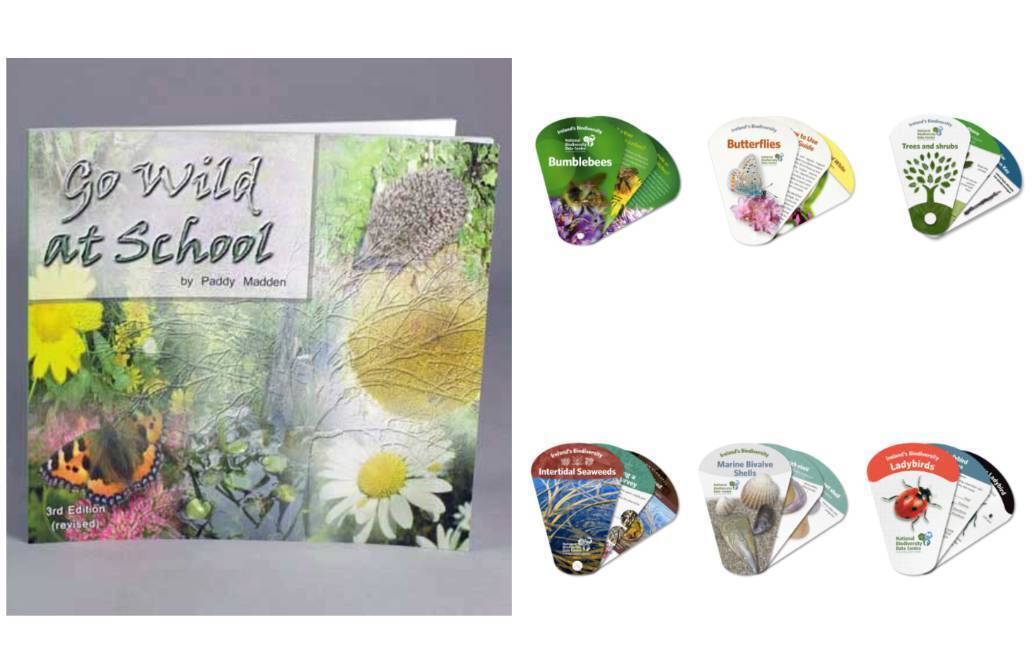
Go Wild at School by Paddy Madden and NBDC identification swatches are some of the great resources available to help schools teach about the local environment
Did you have a Nature Table in your classroom at school?
Perhaps I’m showing my age, but I remember very well collecting leaves, seeds and nuts and bringing in various finds for the nature table in my small country school in the 1980s. As the new school year starts, the last thing any teacher probably wants is for someone to suggest yet another topic they should cover in an already packed curriculum, but here goes…

I believe teaching children about the importance of biodiversity, its benefits and ecosystem services, and how we can explore, learn about, and protect our biodiversity should be one of the core aims of any curriculum. What could be more important to learn about than our beautiful planet and all the amazing wonderful beautiful animals and plants that live on our little corner of it.
I’ve been asked to visit a lot of schools over the years and the lack of knowledge about our own native Irish wildlife is actually shocking. Showing younger children a picture of a badger, there are always a few in the class who almost jump out of their seats with excited recognition, but then they shout ‘skunk’!
Needless to say, skunks are not native to Ireland. These same children know lots about dinosaurs and exotic animals such as tigers or crocodiles, but ask them to tell you how a badger lives, what it eats, where it sleeps, and they’re usually stumped.
While I think it’s really important we teach children about biodiversity, that’s not to say I believe we should tell them absolutely everything early on. I think it’s perfectly okay to hold back on some of the negative issues and scary extinction tales.

I believe we should show kids the wonder of the world’s wildlife, but not bombard them with too much negativity around climate change and endangered species. Unfortunately, they will learn all of this inevitably with time, but it’s vital that they are also shown the positives, all the actions we can take and all the beauty in this world.
There is enough eco-anxiety out there among our young people, so it’s really important to offer them positive stories and solutions, too.
Here are just a few tips on where you can find good biodiversity lesson plans online and some schemes that offer school visits your students and children will enjoy:
- Green Schools: Lots of schools have succeeded in being awarded the Biodiversity Flag as part of the Green Schools scheme. An Taisce’s Green Schools website also offers lots of useful resources for teachers, for both Primary and Secondary schools, including a very useful guide to creating a habitat map for your school grounds. There is a thorough powerpoint presentation, but also a video that explains the whole process.
- Heritage in Schools: This primary school scheme, run by the Heritage Council, offers subsidised school visits by a large panel of Heritage Specialists who are experts in everything from archaeology to cultural heritage, folklore to crafts, but also natural heritage or biodiversity experts. Search for local experts in your area. The website also offers some interesting teaching resources and you can book a local Biodiversity Expert to visit your school.
- Biodiversity in Schools: The Biodiversity in Schools website has some great resources and has a team of experts who also does school visits.
- Create a Pollinator Plan for your School: The All-Ireland Pollinator Plan offers a guide to helping bees and butterflies written especially for children. There is also a School How-to-guide that explains the step-by-step approach to preparing a Pollinator Plan for your school. There are also videos, animations and 10 accessible lesson plans. The videos may be particularly useful for secondary school classes to watch and discuss in class.
- Invite an expert from a wildlife NGO to visit your class: Many environmental NGOs offer school visits by their Education Officers, including BirdWatch Ireland or the Irish Whale and Dolphin Group. Inviting an expert from an environmental NGO is especially brilliant because they have such enthusiasm and passion for their subject that it’s infectious. This is a nice idea for a parents' association, community group or local business who may like to fund such a visit to your school, thereby helping raise awareness of local wildlife issues as well as supporting the school.
- BirdWatch Ireland has some wonderful resources for teachers.
- And of course, there are some excellent books out there to help you learn and teach about Ireland’s biodiversity. Check out the really nice handy identification swatches from the National Biodiversity Data Centre.
- Paddy Madden, a brilliant educator, has produced some excellent books on creating your own school wildlife Garden such as and .
- For a nice introduction to get your students started on bird identification, and indeed to source bird houses and bird feeders. While there may not be a nature table in every classroom, as always, a lot of power lies with each primary school teacher. If a teacher has a love for nature, their students benefit hugely as this passion is shared through outdoor activities, wildlife walks and gardening. What an amazing legacy to pass on to the next generation.