Donal Hickey: Vital to save sand dunes, for shore
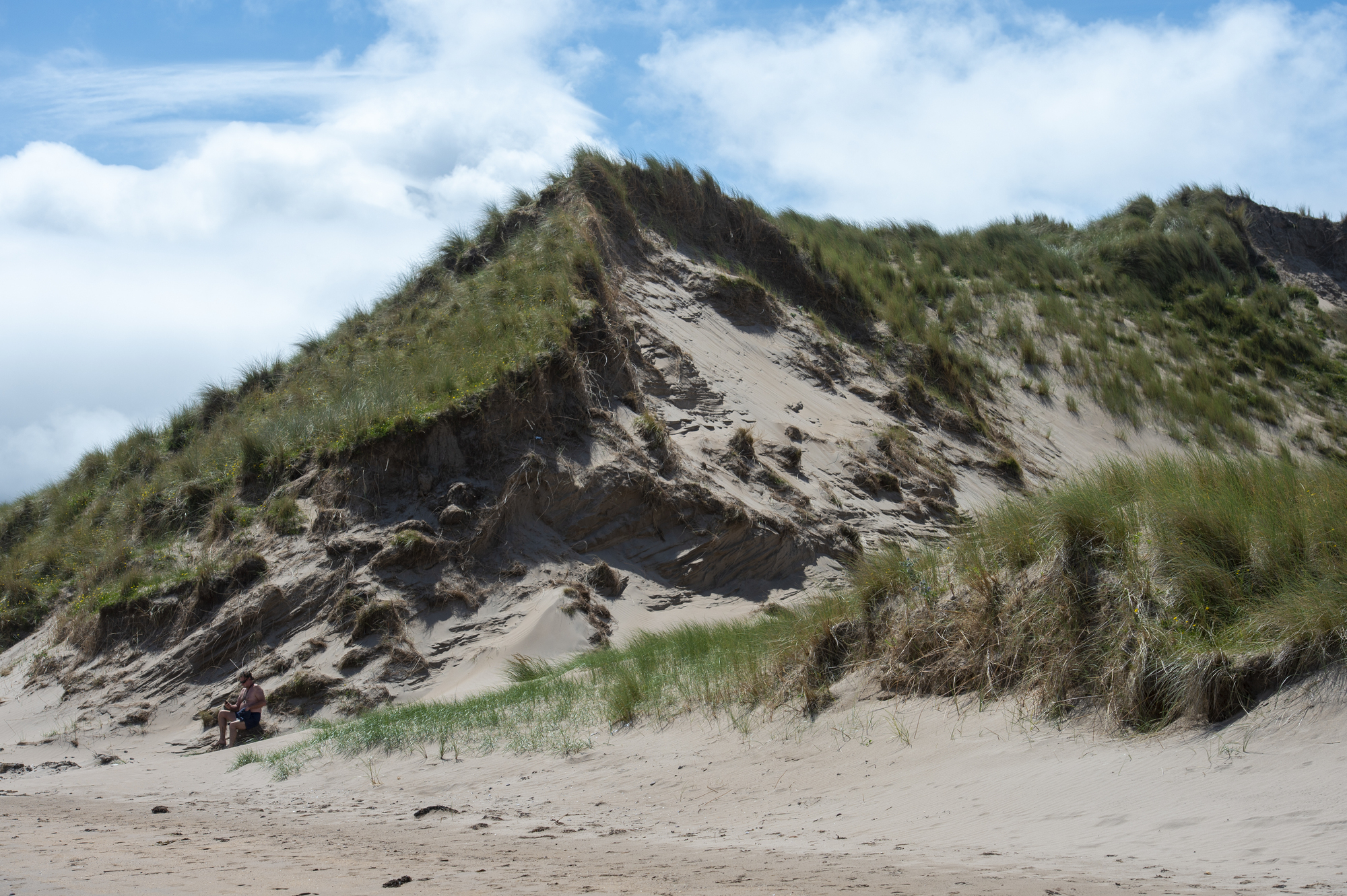
Sand dunes which have been damaged by coastal erosion at Rossbeigh beach in Kerry. Picture Dan Linehan
The thrill of the first sight of the sea in summers of childhood is still evoked when we catch a glimpse of distant sand dunes against a background of silvery waves.
With school holidays here, many children are surely feeling similar excitement as families head to the beaches. In the past two years of stay-at-home holidays, our beaches were busier than ever, which put even more pressure on the eroding dunes.
The dunes are a magnet for people and that’s exactly the problem. While climate change, winter storms and rising sea levels are factors in their decline, human footfall is also very destructive.
Children love sliding down the sand hills, while people continue to camp and park caravans, light fires, hold barbecues, play football and even ride quad bikes in the dunes. And they trample on the marram grass — the plant that actually keeps dunes intact.
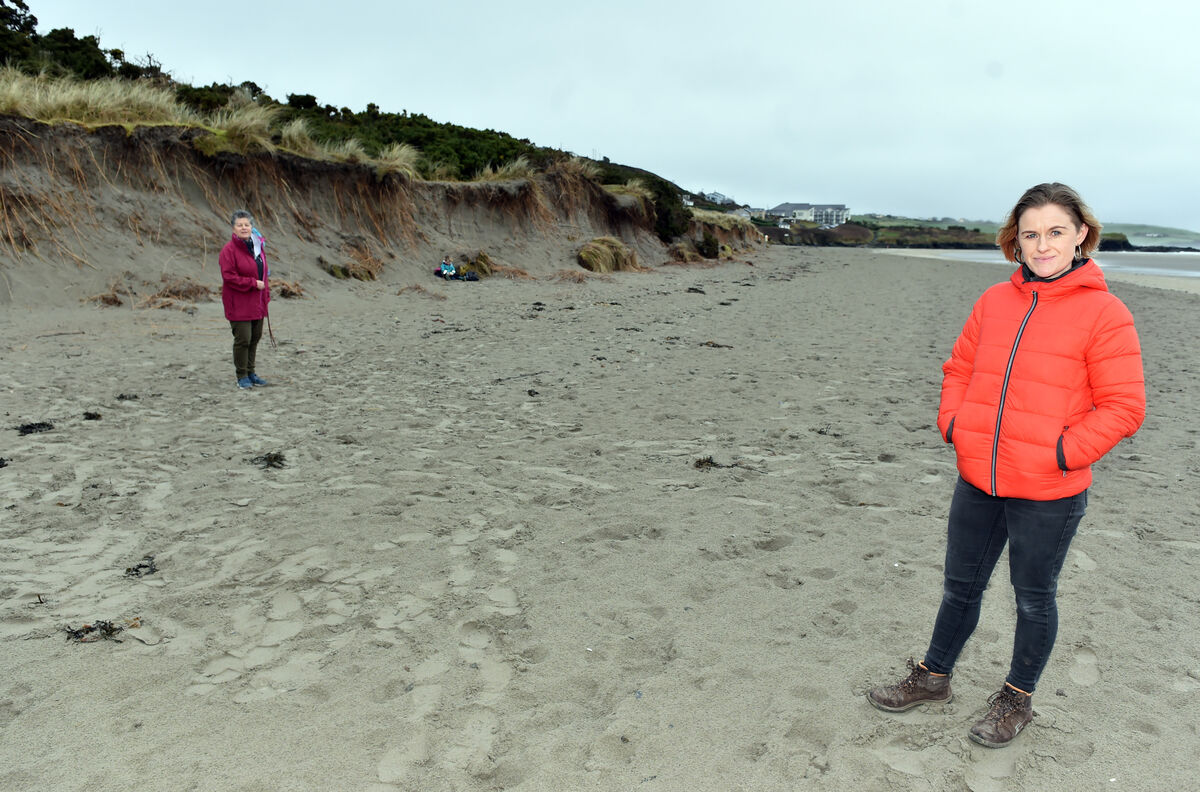
But the grass is damaged by incessant footfall and other uses, resulting in the sand it binds together being blown away. Then, the dunes, which act as a sort of coastal protection barrier, eventually go.
With high seas and more powerful winds regularly battering our coasts, the dunes are becoming even more vulnerable as can be seen in Rossbeigh, County Kerry, where the dunes have been split in two by the sea, forming a new island.
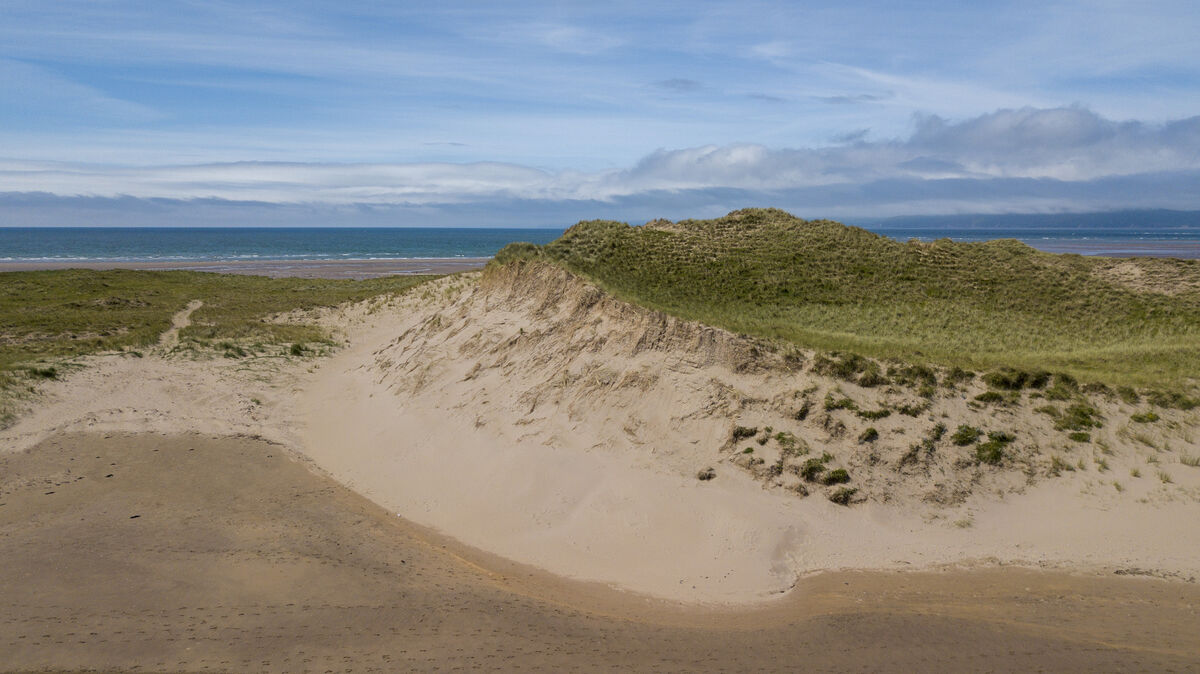
Groups such as Clean Coasts are urging people not only to protect the dunes, but also to take action to save them. As well as marram grass, other plants grow in healthy dunes, attracting various insects and other animals.
Marram grass was once used to create fishing nets, roofing and even shoes. But that no longer happens because of awareness of the importance of this grass.
A local conservation group is also active at Inchydoney, one of the many popular beach areas in West Cork. In support, Clonakilty GAA club has decided to stop using the Inchydoney dunes for training purposes and Cork GAA Board chief executive, Kevin O’Donovan, has urged all GAA clubs to follow this lead.
Wexford County Council is acting to combat erosion by planting marram grass, at Morriscastle Strand, and erecting fencing to keep people off the planted areas.
As thousands head for the beaches, the poetry of John Masefield is apposite: “I must go down to the seas again, for the call of the running tide/ Is a wild call and a clear call that may not be denied."


CONNECT WITH US TODAY



Be the first to know the latest news and updates