Make a call but don't snap a pic: What to do if you find a seal on the beach
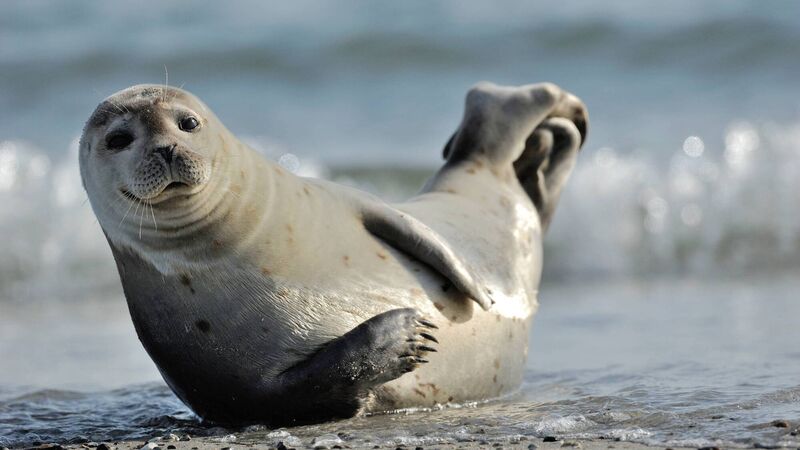
A seal can live out of the water indefinitely.
It’s not uncommon for us to come across live seals on the beach, especially during pupping season in some countries. As some seals need to get on land in order to sleep and take care of their young, it’s absolutely normal for a live seal or a seal pup to be on a beach.
However, it’s important to know what to do if you find a seal on a beach, as it may cause more harm than good if you try to help them yourself. However, if you find they are injured or abandoned there are steps you can follow.
Firstly, call Seal Rescue Ireland’s 24/7 hotline and follow their instructions precisely until they arrive. Provide your name, number, location and give a detailed description of the size and condition of the pup and send videos or photos to the team. If it’s a busy beach you should inform others around not to approach the seal, especially dog walkers, as dogs can irritate the seal, injure or pass disease to each other. Disturbance from people may also lead to mothers abandoning their pups so keep a distance of 100m and do not touch the animal or try to move it; they are wild and will bite.
We are delighted that Philippine crocodile, Bonobo and Common Goby are happy and healthy enough to return back to the wild!🌊 Swim free little ones💙#seals #marineconservation pic.twitter.com/ZGTJlEE3wH
— Seal Rescue Ireland (@seal_rescue) February 11, 2022
Another thing that you might think is helpful but can do more harm is moving the seal back into the water. They are on land for a reason so don’t try to force them back in. Do not post photos of the seal on social media, especially busy community forums as this may attract more visitors and not everyone is well informed so they can leave seals in distress.
A healthy seal is plump, and barrel shaped with a taught coat and no defined neck. Seals with loose skin rolls, protruding hip bones, ribs may be underweighted and may need help.
Seals with swollen limbs, cuts, bites, or visible injuries including entanglement in netting may need rehabilitation.
Healthy eyes are wide open with no cloudiness or marks. Wet patches around their eyes show good hydration. Dry squinting cloudy eyes with discharge may indicate that a seal is sick.
Healthy seals have clear deep breaths and no wheezing, sneezing or discharge. Discharge, blood, dry coughing, rapid or erratic breathing may indicate illness.
Common seals are born with waterproof fur, they swim and hunt with their mam and are rarely on the beach alone. They can be seen most from May to August.
Grey seals are born with fluffy white fur that is not waterproof. They remain on land for the first four to six weeks and can be left alone while their mam is hunting. They are seen most commonly in August-December.
Happy Monday from our sweet boy Angel Shark💜#KeepDiscovering #IrelandsAncientEast #Seals #MarineConservation pic.twitter.com/QBKisrw1Tf
— Seal Rescue Ireland (@seal_rescue) January 24, 2022
While there are 33 species of seal in the world, we only get two in Ireland- the Common (Harbour) seal and the Grey seal. Despite the misleading name, the Grey seal is the most commonly seen seal in Ireland. There are many differences between them, but grey seals are bigger and have longer snouts than common seals. Grey seals are also the ones with the white furry coats when they are pups.
Gray seals can hold their breath for over an hour, whereas Common seals can hold their breath for about half an hour. This is really helpful for diving under the water to find fish to eat.
A seal can live out of the water indefinitely, as long as it has enough food to eat and is at a nice temperature. Unlike dolphins and whales, seals are able to support their own weight on the land. It is perfectly normal for them to come up onto the beach for long periods of time.
The primary threat to seals is humans! Between pollution of the ocean from garbage and oil spills, as well as some fishing and boating practices, humans have caused a lot of trouble for seals. Another big issue is people scaring them while they are on the land, which can cause great amounts of stress.
- Seal Rescue Ireland works to rescue, rehabilitate and release grey and common seals from around the Irish coast. Contact their hotline at 0871955393.


CONNECT WITH US TODAY



Be the first to know the latest news and updates