Black pudding is a traditional, sustainable and iron-rich part of the Irish diet

Many people baulk at the thought of eating fresh blood black pudding, but it predates potatoes, soda bread, whiskey, and stout as a source of nourishment
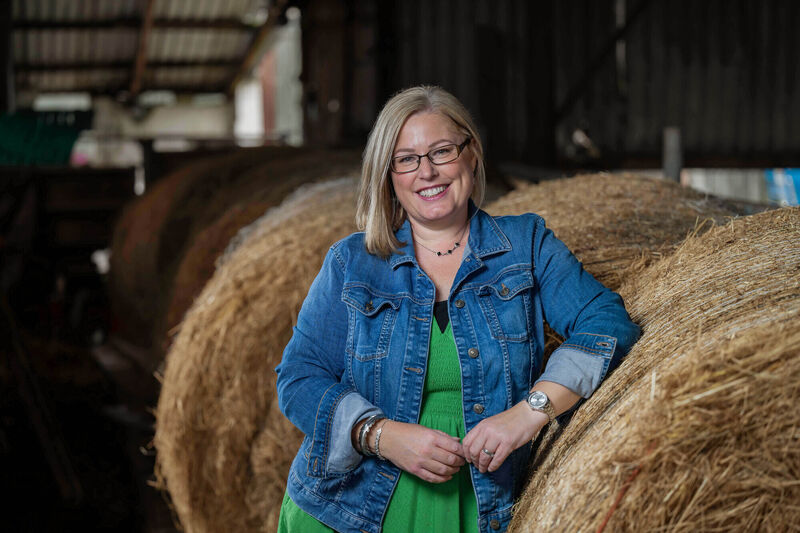
Kate Ryan: ‘We should seek out fresh blood black pudding makers and support them.’ Picture: Joleen Cronin

Kate Ryan: ‘We should seek out fresh blood black pudding makers and support them.’ Picture: Joleen Cronin

High in protein and a rich source of easily absorbed iron, blood is a nutritious food, and it has fed and nourished Irish people for centuries. Although some may baulk at the idea of consuming fresh blood — we won’t mention the liquid leaking out of your steak — there has always been black pudding, a traditional and delicious food that has a place in Irish history far longer than the tourist classics of soda bread and stout, spiced beef or even spuds.

Black pudding is not just a historical artefact. It’s a living, changing — and nutritious — part of the Irish diet. It’s something that Cork-based food writer Kate Ryan is passionate about: “A black pudding is a complete food. It has everything you need. It has proteins, it has fats, it has minerals, micro- and macronutrients. It’s delicious. Plus, you have all the spices running through it with their individual properties as well. It’s a dynamite food.”

Blood — both cow and pig — is key here, making black pudding a rich source of dietary iron, particularly animal-sourced, or haem iron, which is more easily absorbed than non-haem iron (from plant sources). Iron is an essential mineral, used by the body for making red blood cells to carry oxygen around the body, and a lack of iron can lead to anaemia, causing problems with normal body functions. That said, some black puddings can be high in fat and salt, so it’s worthwhile checking labels.

Along with appreciating black pudding’s nutritional values, it’s worth taking a new look at this old food to realise how much it epitomises Irish traditional craft, thrift, and a sustainable nose-to-tail appreciation of every bit of the animal, turning what could be wasted into something nourishing and appetising.

Ryan explores this in her book Blood, Guts and Black Pudding, a fascinating, visceral journey through the history, tradition, and future of this food in Ireland, inviting people to have a new appreciation for pudding. This is not just an academic exercise; Ryan holds frequent events that involve the audience trying a variety of black puddings.

“Every time I do a tasting, I use at least two, potentially four puddings, like a beef blood pudding, a pork blood pudding, one will be fresh [blood], one will be dried [blood],” says Ryan. “It’s really about getting people to slow down, taste the different varieties and realise that there is actually a huge flavour difference. Black pudding isn’t just one thing. There is a huge variety [of black puddings] and flavour differences, it’s just getting people to engage with it. As ever, it’s about flavour first.”

Another virtue of black pudding is that it is, essentially, a pre-spiced, pre-seasoned, fast food: “It’s already cooked, so all you’re really doing is putting it in a pan and heating it,” says Ryan.
Until the domestic practice of keeping pigs declined in the latter half of the 20th century, our ancestors — perhaps even our parents — made puddings at home, each household customising it to their own particular palate. This pig would be fattened on boiled potatoes, turnips, and food scraps from the kitchen. When it was killed, friends and neighbours gathered to help with the sticking, salting, bleeding and butchering and were rewarded with fresh meat.

Traditionally, black pudding was made by the woman of the house to her own recipe, mixing the pig’s blood with ingredients like barley, oatmeal, onions, salt, spices, and herbs. Some puddings were cased in scrubbed intestines; others were moulded in a baking tin. They were then cooked so that they were firm, sliceable and ready for frying.

A once-yearly treat — unless you were given some on the day of another pig’s kill — black pudding was a seasonal fresh meat appreciated in an era before refrigeration, when pork and beef were highly salted for preservation. Meat was expensive, and no part of the animal could be wasted. Using every bit — the fifth quarter, as the Romans would have it — made as much sense then, when fully stocked supermarkets did not exist, as it does now with our focus on food security, food waste and sustainability.

Blood, as Ryan points out, is an intentionally wasted product. Although blood can still be harvested in industrial settings, many producers of Irish black pudding use imported dried blood, sometimes marked on labels as haemoglobin powder.

A recent research paper from Teagasc called Turning waste into wealth: The hidden potential of animal blood proteins refers to the potential of this wasted resource. As Soudabeh Ghalamara, postdoctoral researcher at Teagasc Food Research Centre, points out, “[animal blood] is not only nutrient-rich but also aligns perfectly with circular economy principles, turning what was once considered waste into valuable high-end products”.

Regardless of food economics, we can appreciate blood’s nutritional value and flavour on our plates by simply picking up a ring of black pudding at the local shop or a chunk from your neighbourhood butcher. While Ryan advocates consuming all black puddings — “just eat that pudding full stop!” — she has a special grá for fresh blood puddings, the makers of which are in danger of disappearing, as highlighted by the closure of Tipperary’s Inch House Pudding this past summer.

“My rallying cry is to seek out your fresh blood black pudding makers and support them wherever they show up around Ireland,” says Ryan. “To those in food policy, I would say we need to get a system put in place… where we can capture, pasteurise, powderise Irish fresh blood into a product that then we can all access, whether that’s pudding makers or as an ingredient in day-to-day food or as a value-added product for additional protein and other foods.

“This is an abundant food source that we are watching go down the drain, and there is an easy way that we could fix it if only there was the will to make it happen.”

 Kate Ryan, author of Blood, Guts & Black Pudding. Picture: Joleen Cronin
Kate Ryan, author of Blood, Guts & Black Pudding. Picture: Joleen Cronin

More in this section

Lifestyle

Newsletter

Eat better, live well and stay inspired with the Irish Examiner’s food, health, entertainment, travel and lifestyle coverage. Delivered to your inbox every Friday morning.

Cookie Policy Privacy Policy Brand Safety FAQ Help Contact Us Terms and Conditions

© Examiner Echo Group Limited