Workplace wellbeing: Playing the generation game at work

Experts advise it’s more productive to focus on how people from different age groups can complement one another’s skill sets. Picture: iStock
A 30-something-year-old who is overly sensitive and easily offended? It must be a snowflake Millennial.
A 50-something-year-old cynic? Has to be a Gen X slacker.
An out-of-touch sexagenarian? Typical Boomer.
The latest addition to this list of stereotypes is Gen Z, known for their blank stare. This unresponsive facial expression is often used by young people in social or customer service situations where a verbal reply is normally expected.
Gen Z refers to people born between 1997 and 2012. Millennials is the term given to those born between 1981 and 1996. Gen Xers date from 1965 to 1980, and Baby Boomers hark back to the years 1946 to 1964.
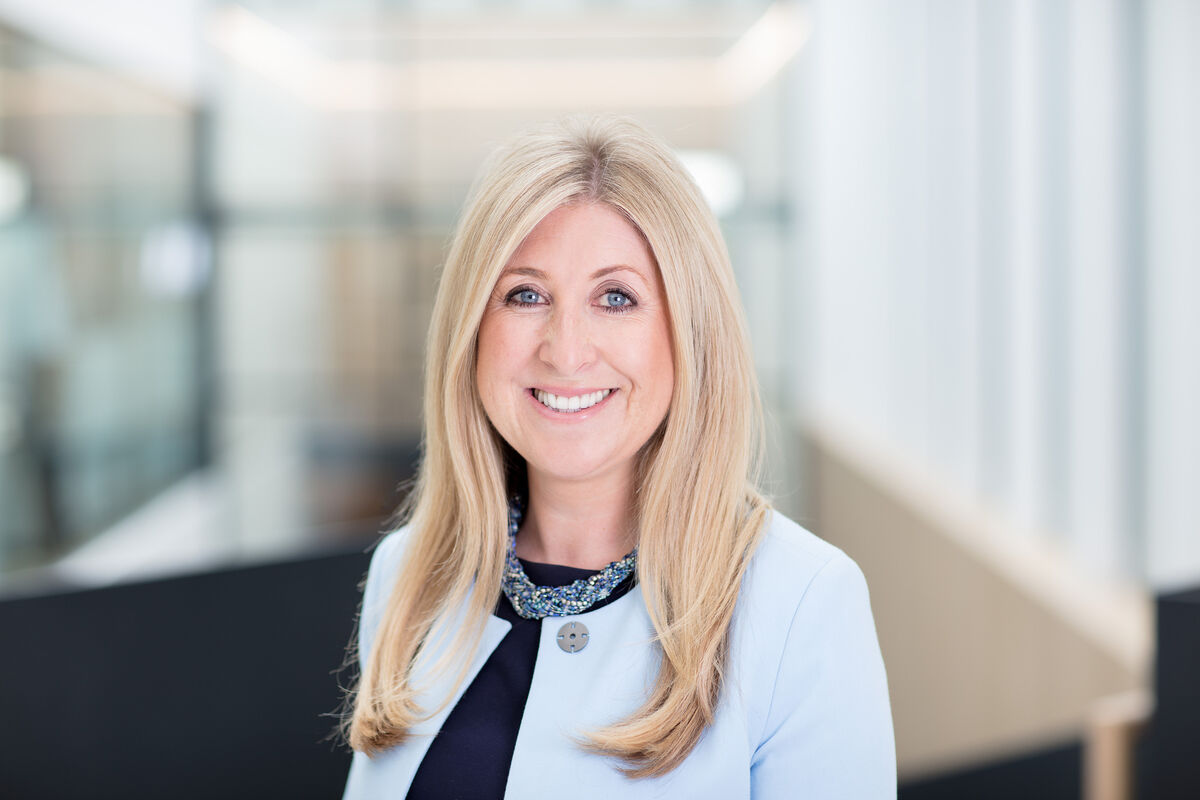
These four generations work alongside one another in the modern workforce, and they all have their differences, says Mary Collins, a workplace psychologist at the RCSI Centre for Positive Health Sciences, who has spent 12 years studying multi-generational workplaces.
Many of these differences are rooted in the time the generations came of age. “Take those of us who grew up before the internet, smartphones, and emails, for example,” says Collins.
“We are digital immigrants compared with Gen Z and younger Millennials. Those digital natives grew up swiping iPads and are more likely to feel more comfortable with technology than we ever will.”
Collins identifies changing trends in parenting as another significant factor. “Younger generations tend to have been parented more intensively by helicopter parents and snowplough parents who hover nearby or clear the way ahead of their children, removing adversity and challenges,” she says.
“That parenting style has had an effect on how their children go on to behave in the workplace.”
She believes such parenting may have had a role to play in how younger people deal with stress. In the 2026 Deloitte Gen Z and Millennial Survey of 22,595 respondents across 44 countries, 43% of Gen Zs and 41% of Millennials in Ireland said they felt stressed all or most of the time.
“These younger generations exhibit lower levels of stress tolerance than any previous generations before them,” says Collins. “Their levels of anxiety, stress, depression and burnout are higher. Their willingness to be more open about mental health issues could be a factor in this, but I think [overprotective parenting] with its impact on resilience also plays a role.
Younger workers can also differ from older colleagues when it comes to communication style. Growing up online, particularly during the socially distant years of the pandemic, has had an effect on their social skills.
“They can struggle with small talk,” says Collins. “Or they can fail to pick up on social and emotional facial cues. And many prefer sending emails to making phone calls.”
Could it be that age and career stage have a greater influence on people’s attitudes and behaviour than the generation to which they belong, she asks.
“Have younger workers not always prioritised career advancement and skills building, hopping from role to role and organisation to organisation until they found a base they could grow from? Wasn’t that just as true of Boomers as it is of Gen Z?”
A research paper published in the US last year makes a similar point. No matter what generation, mid-career workers typically emphasise work-life balance and flexibility so they can manage work and broader life responsibilities.
And late-career workers generally place a higher value on stability, retirement security and availing of mentoring opportunities to pass on their skills and experience.
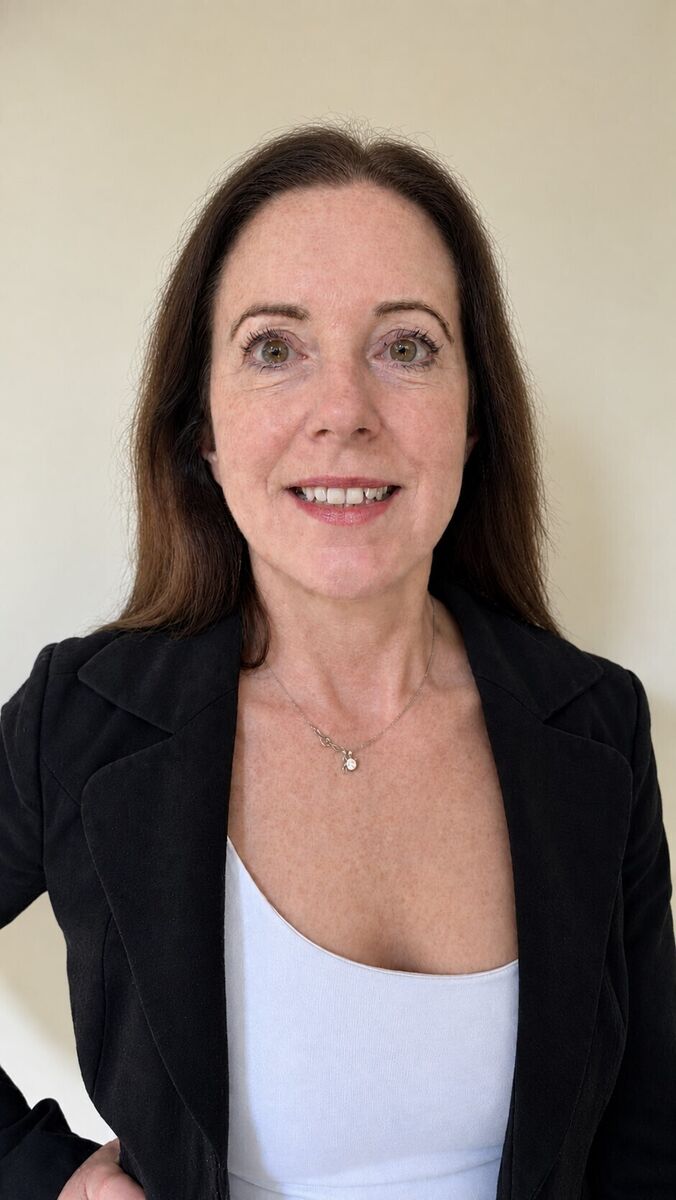
Crowley-Henry also warns talk of generation differences can easily tip over into stereotyping, which can undermine inclusion at work.
Crowley-Henry is currently involved in research that involves nurses and midwives in Irish hospitals completing a generational leadership survey. So far, it has been found more unites the generations than divides them.
“We asked people what makes them stay in a workplace and regardless of age or generation, people’s answers come down to psychological safety,” says Crowley-Henry. “They valued being able to ask questions and speak up without fear of being criticised or belittled.”
This finding chimes with Crowley-Henry’s belief we should focus on what people have in common and how they can contribute their individual strengths to the collective whole.
“We can use younger people’s affinity with social media and other aspects of the digital world while developing their competency in areas where they may be lacking,” she says.
“This can be done through mentorship programmes where more experienced workers share their organisational knowledge, and newer workers contribute their fresh ideas and perspectives. Instead of us versus them, this cultivates an environment where everyone works towards a common goal together.”
Collins would like generational interaction in the workplace to be a sharing of “fluid and crystallised intelligence”. She explains fluid intelligence is “the ability to adapt and think flexibly in search of smarter ways to do things and it’s more common in younger people. Crystallised intelligence, by contrast, is more often found in older generations. It refers to accumulated experience, knowledge, and wisdom. The combination of both is of huge benefit to an organisation.”
“Our staff range in age from 18 to 70, and in our homes, we have 18-year-old care assistants from Ireland working alongside 50-year-old nurses from the Philippines,” she says. “There’s huge diversity there.”
The benefits she sees in this diversity include the fact “the younger staff bring fresh energy while the more experienced staff bring judgement and a sense of calm that cannot be taught".
The biggest benefit of all might be felt by the nursing home residents. “This isn’t just a workplace, it’s a home for older people, and they enjoy having a wide range of people of all different ages to connect with,” says Geraghty.
“For example, many of them love sharing stories of their own youth with the youngsters. They have great interactions together.”
Nevertheless, she acknowledges there are challenges involved in managing such a diverse workforce. Communication is one.
“Older people tend to prefer face-to-face handovers, while 18-year-olds generally like receiving information through apps and phones,” she says. “We try to communicate through a variety of channels to make sure everything is clear to everyone. We also emphasise that communication isn’t just one-way. We want people to feel comfortable raising any issues they might have.”
Further education and training are another challenge, especially because not everyone is comfortable with technology.
Geraghty explains this is where mentoring comes in, with “staff who are experienced in the way our workplace works being paired with more technologically confident colleagues. Everyone feels included and learns together”.
The key, according to Geraghty, is not to focus on generational differences but instead to make sure everyone gets to contribute according to their strengths.
“That way,” she says, “the positives outweigh the negatives in our multi-generational workplace”.
CONNECT WITH US TODAY



Be the first to know the latest news and updates