I only had one symptom, but knowing breast cancer warning signs can save lives
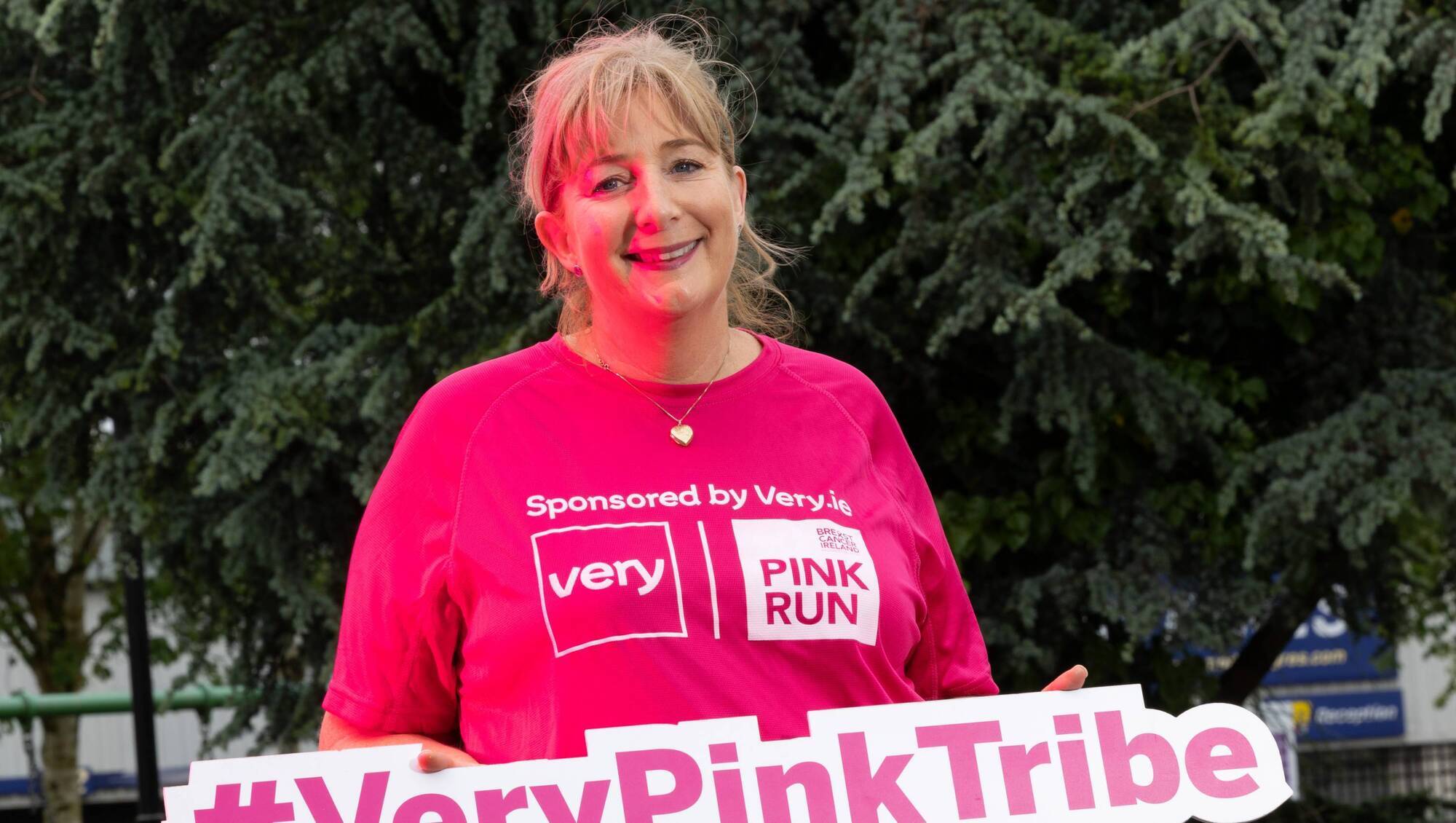
Mairéad Dillon was ‘totally floored’ when she was diagnosed with breast cancer in 2024.
When Mairéad Dillon noticed a “small damp patch” on the left side of her top while on holiday in October 2023, she felt that “it shouldn’t be there”.
Having recently attended a presentation from Breast Cancer Ireland at her workplace, she knew that discharge from the nipple can be a warning sign, so as soon as she got home, she made an appointment with her family doctor.
“I have no family history of breast cancer, but the following day, I checked again, and there was still a small damp patch on the left side,” she says. “So when I got back, I phoned my GP for an appointment, and when she examined me, she said it was probably nothing to worry about. But she organised a mammogram, just to be sure.”
The mother of four boys, who lives in Limerick, was scheduled for January 2024, and by then, the discharge had stopped. “I had no other symptoms, so I actually considered cancelling, as I really thought it was a blocked duct or something very minor,” says Dillon.
She decided to take up the appointment as a precaution. “During the mammogram, the radiographer also took images of my right breast — and after a few more tests, I was told that the left breast was fine, but something was found in the right breast.”
Following initial tests, Dillon, who was in her mid-40s at the time, was sent for a biopsy. On Valentine’s Day, I went for a follow-up appointment with her consultant. She was “totally floored” to be told that there was a tumour in her right breast.
“The consultant said I had invasive ductal carcinoma oestrogen receptor positive [ER+], which meant that my cancer had receptors which bind to the oestrogen hormone, which fuels tumour growth,” she says. “I didn’t remember much after that, other than being warned not to Google anything, but to ask them if I had any questions. I was in total shock and very upset — all I could think of was how I was going to tell [my partner] Luke and the boys.
“My emotions were all over the place during the two weeks I was waiting for my operation. But the more I thought about it, the more I decided that I was luckier than most — reminding myself that the cancer was caught early and there was a plan in place.”
The surgery went well, and along with the removal of the tumour, some lymph nodes were also taken out to ensure the cancer hadn’t spread, which fortunately it hadn’t.
Following surgery, she spent a few months in recovery before starting radiotherapy and says, although she tried to be positive throughout, “things weren’t always rosy”.
“I had gone from going a million miles an hour every day, working full-time, studying a MSc part-time and being a ‘taxi driver’ for the boys, bringing them to activities or training in the evenings, to doing nothing. And I found that very hard. There were times when I felt I had no control of my life, and also some stressful, anxious times filled with fear, along with plenty of tears — but I made sure to do my crying in the shower, away from everyone.”
Following 23 rounds of radiotherapy, which caused “indescribable fatigue”, she was put on Tamoxifen to “block oestrogen receptors and starve breast cancer cells”. She suffered side effects such as extreme fatigue, night sweats, brain fog, and joint and muscle pain for the first year or so, but after reporting these issues to a nurse, she was advised to change the brand of medication she was taking and “slowly the side effects lifted”.
However, she still suffers from joint and muscle pain, which restricts participation in “high intensity exercise” and she is on medication to help ease the pain. And although she still works full-time as a client services manager for a financial services organisation, she has learned to “be kind” to herself. So along with undertaking a series of short courses provided by fetchcourses.ie, she has also attended mindfulness courses and avails of the support offered by the Mid-West Cancer Foundation.
“Without a doubt, the highest point of my cancer diagnosis has been meeting the most remarkable new friends [through the foundation] whom I treasure,” she says. “I still carry a deep sense of gratitude because being here, despite everything, means more than words can ever explain. I am privileged to have such a loving and caring, supportive family, and the best of friends and colleagues anyone could ask for.”
Younger patients
Dillon was 46 when she was diagnosed. Liz Yeats, CEO of the Marie Keating Foundation, says the rising trend in breast cancer in younger women — particularly those under 50 — is a “a cause of concern”.
“Within the 20-49 age range, there were 677 diagnoses recorded in 2013, while a total of 853 were noted in 2022, representing a 26% increase,” she says.
Currently, women aged 50-69 are eligible for BreastCheck, the national screening programme. The Marie Keating Foundation, says Yeats, “would very much welcome the proposal to reduce screening age for BreastCheck to accommodate a younger cohort of women. However, the systems and resources must be in place nationally to support an increase in breast screening.”
Emma Harte, policy and campaigns manager of the Irish Cancer Society, says: “Hiqa is currently reviewing whether to reduce the starting age of eligibility for BreastCheck to age 45 and to also extend breast cancer screening to people aged 70-74. The Irish Cancer Society welcomes this review.”
Leonie Young, scientific director of Beaumont RCSI Cancer Centre, points to the modifiable risk factors for breast cancer, which include: “Weight gain, particularly after menopause, lack of physical activity, inappropriate alcohol consumption, smoking, long-term exposure to certain hormone therapies, and delayed childbearing.”
She encourages eligible women to attend BreastCheck screening, know their family history, and seek genetic assessment where appropriate — and, importantly, respond to any breast symptoms.
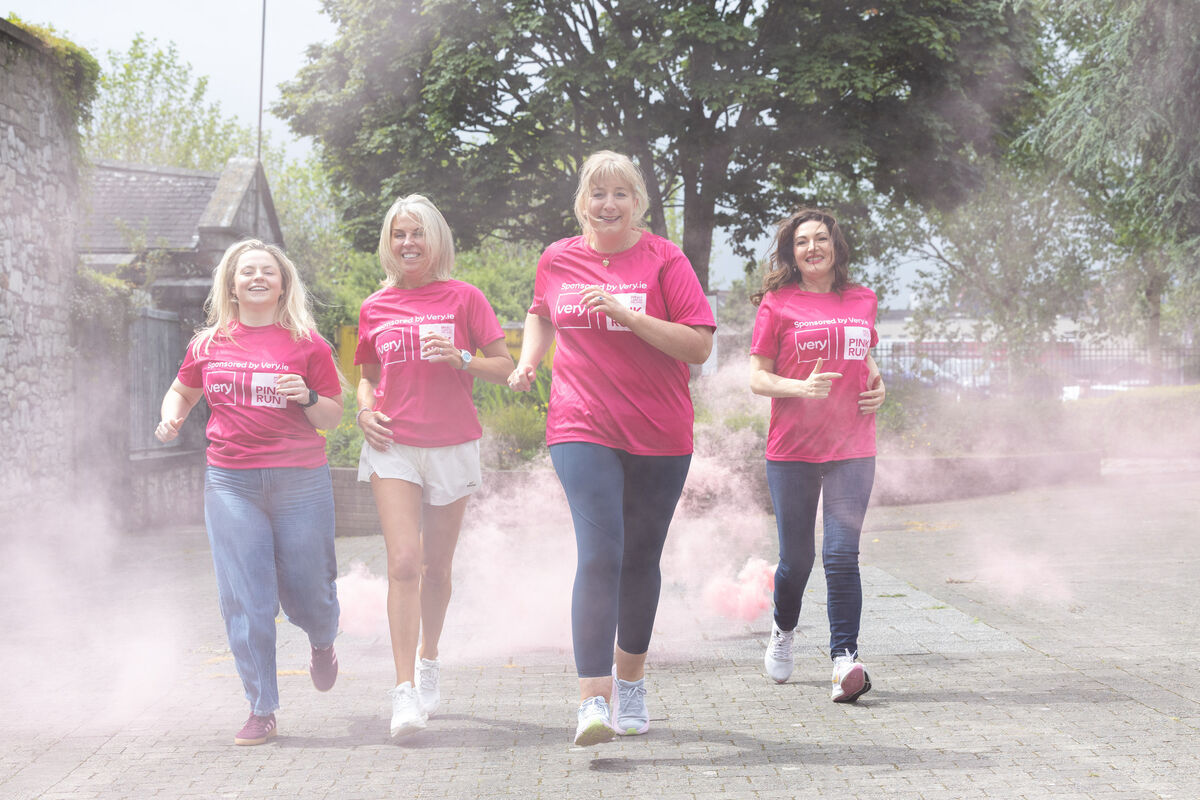
To help raise funds for valuable research into the disease, Breast Cancer Ireland’s Very Pink Run, the charity’s largest annual fundraiser, takes place in various venues around the country.
Says Young: “All funds raised will be used to fund Breast Cancer Ireland’s pioneering research into metastatic disease progression and awareness programmes nationally — helping to rewrite the future of breast cancer in Ireland.”
- Three live events will take place in Leopardstown Race Course in Dublin (August 29), in Kilkenny Castle Park (August 30)and in MTU in Cork (September 6), with 5k and 10k course options. Participants can also take part virtually, anywhere that suits them, across local communities and indeed across the world.
- For more information on the run, to donate or to register to take part, visit verypinkrun.ie.
- Symptoms of breast cancer can include:
- A lump or thickeningin the breast or armpit
- Swellingin the armpit or around the collarbone
- Change in either size or shape of the breast, such as one breast becoming larger than the other
- Change in the skinof the breast, such as puckering, ridges, dimpling or redness
- Breast abscess or boil, which may appear as a red, tender area on your breast.
- Changes in the nipple, which could include a pulled-in, sunken or flattened nipple
- Change on or around the nipple, such as a rash, flaky or crusted skin
- Unusual discharge or liquid from one or both of the nipples. The discharge may be blood-stained or watery.
- Soreness or warmth (inflammatory breast cancer)
- A red scaly rash on one nipple, which may itch or burn (Paget’s disease of the breast)
- Breast pain alone is rarely a symptom of breast cancer, but it’s always best to talk to your doctor.
- If you have any concerns, seek medical advice.
- For more information on breast cancer, visit breastcancerireland.com cancer.ie, hse.ie, mariekeating.ie


CONNECT WITH US TODAY



Be the first to know the latest news and updates