'There is nothing soft about soft skills. They are central to the workplace'
Soft skills like communication, teamwork and resilience can make you stand out in a competitive jobs market as employers seek candidates who can add value to a work environment
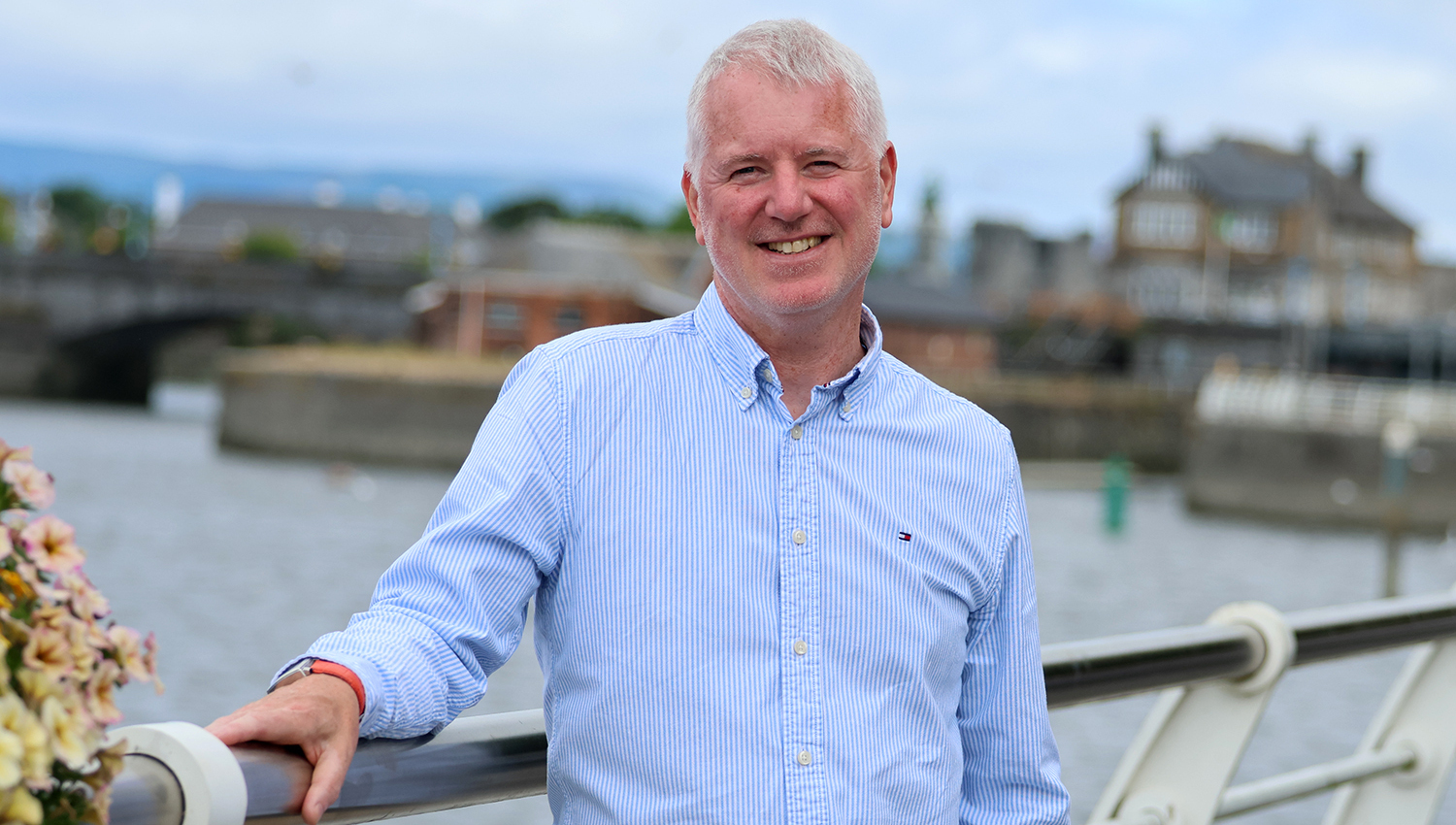
Retired garda John Finnerty now trains leaders in how to stay calm in a crisis. Picture: Brendan Gleeson

Retired garda John Finnerty now trains leaders in how to stay calm in a crisis. Picture: Brendan Gleeson

Noticing that a six-foot-something intoxicated and aggressive man was hungry and providing him with a ham sandwich once helped John Finnerty calm a volatile situation. Finnerty, who is 53 and from Limerick, was a member of An Garda Síochána at the time.

“I’d been called by this man’s neighbours,” he says. “I was on my own and well aware that he was bigger and stronger than me. But I didn’t panic. I took some deep breaths, spoke slowly and calmly and paid close attention. 

"When another neighbour stepped out of her house eating a ham sandwich and the sight of the sandwich made me hungry, I thought the man might be hungry too. I asked him if he was and his neighbour ended up giving him her sandwich. All of a sudden, everything changed. No more anger. No more threats of violence.”

Learning how to remain calm in a crisis is one of the most important skills Finnerty learned in 30 years in the force. It’s a skill he now teaches in his work as a communications coach.

“I also teach people how to communicate effectively, how to have empathy and how to develop rapport with others,” says Finnerty. 

“These are regarded as soft skills but that underestimates their value. I think they are essential to the world of work. They certainly were for me. If I had panicked in my work, I’d have made a bad situation worse and people could have been hurt.”

Finnerty thinks that jobseekers and professionals angling for success often focus on technical skills and qualifications to the detriment of these soft skills. 

In his career, he says he has often “come across people who have all the technical experience necessary to do their job but who lack the communication skills they need to deal with colleagues, clients or their boss. Not developing these skills can really hold them back in their careers.”

Caroline Conlon, a lecturer in work and organisational psychology and human resources management at Munster Technological University, agrees. She says “there is nothing soft about soft skills. They are central to how workplaces function.”

The managing director of the HR Suite and human resources expert Caroline Reidy explains what soft skills are.

“They are the personal and interpersonal qualities that shape how we work with others,” she says. “They include skills like communication, teamwork, emotional intelligence, adaptability and resilience. 

"They influence how people handle pressure, respond to change and build working relationships. They are essential to career success, particularly career progression. 

Technical skills may get you hired but soft skills often determine how well you perform. 

"In many organisations, especially in customer-facing, team-based and leadership roles, soft skills are just as important as technical ability and more important if you want to progress and thrive.”

Which soft skills are the most valuable? Conlon believes the answer to this question is resilience, communication, empathy and the capacity to keep learning. 

The research she is currently conducting with Dr Edward Coughlan at MTU and academics at the University of Niagara Falls in Canada has led her to arrive at this conclusion.

When people are asked about their workplace performance, she says “it is themes of resilience, communication, learning and navigating the workplace that they see as the bedrock of their success”.

These are all skills that help you no matter what job you do. “They travel with you across roles, sectors and careers,” says Conlon. “That’s why they are sometimes called transferrable skills.”

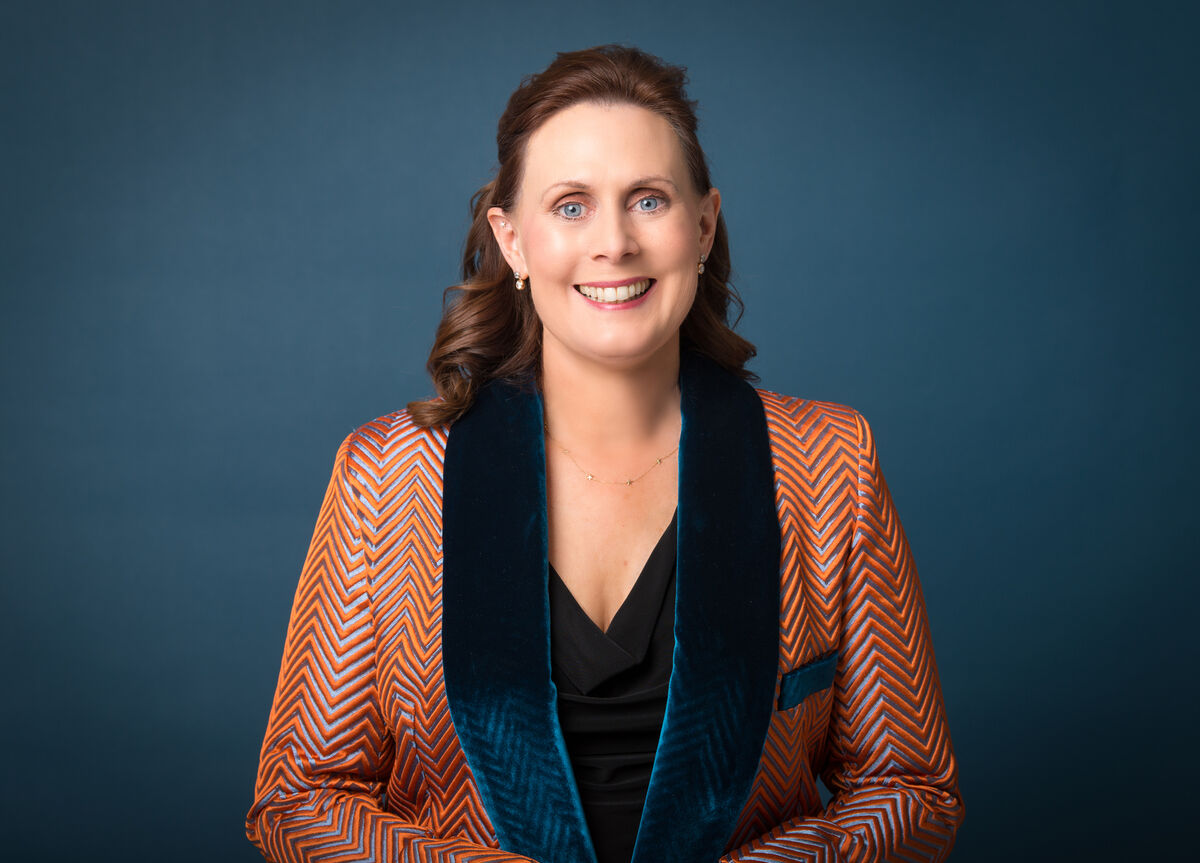
Caroline Conlon: 'Soft skills are central to how workplaces function.' Photo: Sean Jefferies Photography

She adds that they are also skills that cannot be replaced by AI. “As AI absorbs more thinking and routine task content, the distinctly human contribution becomes more visible and more valuable,” she says. 

“Empathy, intellectual curiosity, resilience, the ability to build trust and navigate genuine uncertainty — no current or foreseeable AI system can replicate these. They are categorically different from pattern recognition at scale, which is essentially what AI does, whatever we choose to call it.”

In today’s competitive and fast-changing jobs market, Caroline Reidy advises jobseekers to highlight soft skills on their CVs and interviews. From a HR perspective, she believes employers aren’t only interested in qualifications. 

They are also interested in “how someone works, how they interact with others and how they contribute to the wider workplace culture”.

Vague claims on a CV about being a good communicator or team player aren’t enough, according to Conlon. Instead, she recommends being more specific and telling a story that shows your soft skills in action.

“Share a story that demonstrates how our ability to read a room changed the outcome of a difficult conversation or how your resilience turned a setback into something productive. Concrete examples are what make soft skills visible and credible to a potential employer.”

Caroline Reidy: ‘Soft skills will often determine how well you perform.’

If you’re changing sector, returning to work from a career break or applying for roles where you may not have director experience, highlighting your soft skills is even more important. 

“Prospective employees will want evidence that you will add value quickly and your soft skills can help demonstrate that,” says Reidy.

Developing soft skills

There are those who believe that soft skills are innate and you either have them or you don’t. Conlon scoffs at this idea. “It’s a myth,” she says. “You can develop soft skills with conscious practice.”

One way of developing your soft skills is through self-reflection. “Identify a skill you want to develop and pay deliberate attention to it in everyday situations,” says Conlon. 

“If you want to improve your listening skills, for example, start noticing when you are genuinely present in a conversation and when you are already formulating your response. That noticing is the beginning of change.”

Another tactic is to observe and mimic the positive skills you see in others. “Most of us have encountered people whose communication or leadership we admire,” says Conlon. 

“If you pay close attention to how they communicate or lead, then you have something concrete to emulate.”

Don’t feel shy about asking for feedback either. Conlon says this is “one of the highest leverage things you can do and one of the most underused. A specific question to a trusted colleague can teach you more than a training course can as long as you are genuinely open to hearing their answer.”

 John Finnerty: 'If I had panicked in my work, I’d have made a bad situation worse and people could have been hurt.' Picture: Brendan Gleeson
John Finnerty: 'If I had panicked in my work, I’d have made a bad situation worse and people could have been hurt.' Picture: Brendan Gleeson

Reidy’s tip is to practise. “Whether you decide to improve your soft skills through coaching, training, asking for feedback or self-reflection, it will take time to get better. Like any skill, soft skills improve with consistent effort.”

By valuing our soft skills and consciously working to develop them, Conlon says we can continue adapting to a changing work environment. 

“I recommend that everyone gives themselves an honest skills assessment every once in a while. Where are you strong? Where have you been coasting? And what do you need to learn not because your job description says so but because the work around you is changing? 

"The workplace has always changed and for most people, that is part of what makes it interesting. The human skills that help you navigate that change are the same ones that make work meaningful.”

With hindsight, Finnerty can see that he spent his time as a garda cultivating his soft skills. “I wasn’t taught them in Templemore,” he says. 

“That’s where I learned things like self-defence and how to put handcuffs on correctly. It’s not where I learned how best to react when you’re alone and surrounded by 10 angry people. 

"I had to learn that on the job by watching how others did it, trying their methods for myself and reflecting on and learning from my mistakes. With practice, I got better and I firmly believe others can too.”

x

More in this section

Lifestyle

Newsletter

Eat better, live well and stay inspired with the Irish Examiner’s food, health, entertainment, travel and lifestyle coverage. Delivered to your inbox every Friday morning.

Cookie Policy Privacy Policy Brand Safety FAQ Help Contact Us Terms and Conditions

© Examiner Echo Group Limited