Natural Health: What can I do about my perimenopausal sweating? 
Plus, My teenage son seems to belch a lot after eating, what can I do?
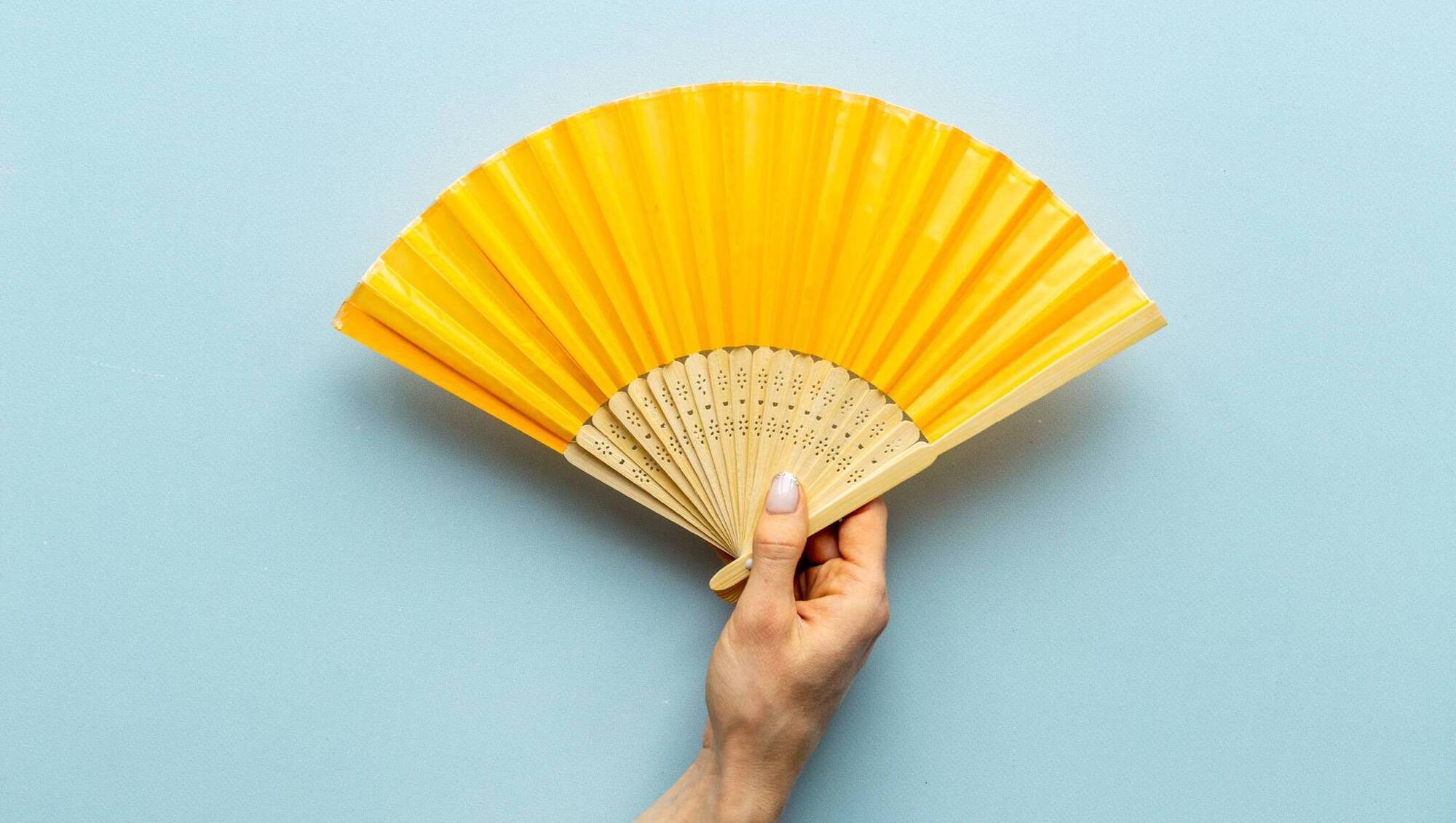
Excessive sweating can occur for a number of reasons, from hormonal imbalance to food intolerances and sensitivities.

Excessive sweating can occur for a number of reasons, from hormonal imbalance to food intolerances and sensitivities.

I’ve always had a tendency to sweat heavily in the heat or when exercising. But since I’ve started perimenopause, the perspiration runs in what feels like rivers. I sometimes need to use a towel to dry myself. What can I do?

A simple herbal remedy may be just what you are looking for.

The kitchen herb, sage (Salvia officinalis), is not only recommended for hot flushes and night sweats during menopausal changes, it is also used by many herbalists to help with the condition hyperhidrosis, or excessive sweating.

Excessive sweating can occur for a number of reasons, from hormonal imbalance to food intolerances and sensitivities.

Dietary sensitivities can trigger sweating, as it is a very effective and gentle way to remove toxins when the body is overburdened. In fact, we utilise this process during saunas and sweat lodges.

Sweat glands are controlled by the sympathetic nervous system. The eccrine sweat glands open directly onto the surface of our skin and primarily stabilise our body temperature by secreting a clear, odourless fluid. The apocrine glands are found in the armpits and genital region, producing a thicker fluid that can start to smell when bacteria break it down.

Menosan is a herbal tincture containing 100% fresh organic sage extracted in alcohol; take 15-20 drops in a little water three times daily. The tincture costs €15.98 for 50ml, and is available from health stores or online at AVogel.ie.

Staying hydrated is critical. Adding a squeeze of lemon or lime, a splash of fruit juice, or a pinch of salt to your water will help to keep your electrolytes up. You might also benefit from making a concentrated herbal infusion using cooling herbs such as peppermint and spearmint, then drink it diluted with iced water. You can also spritz or dab it on your skin.

Since you are going through perimenopause, it is a good idea to support your liver, as this hard-working organ plays a key role in hormone metabolism. Milk thistle is one of the top herbs for liver support, as it helps reduce the liver’s toxic load and stimulates liver regeneration and repair.

My teenage son belches a lot after meals. It doesn’t seem to matter what food I put on his plate. He also has a small appetite. Is there a remedy he could take?

It sounds as if your son may have some underlying digestive issues worth investigating further.

You could start by contacting your GP or a natural health practitioner to check for Helicobacter pylori (H pylori). This bacterium protects itself from the acidic environment of the stomach by surrounding itself with ammonia. This allows the bacterium to burrow through the mucous membrane and attach itself to the epithelial cells. The resultant thinning of the mucosa, along with the ammonia released, invariably leads to inflammation, indigestion, and ulcers.

H pylori is often the root cause of reflux, stomach ulcers, and gut fermentation or dysbiosis. Common symptoms of this condition include indigestion, bloating, belching, nausea, flatulence, diarrhoea, constipation, a burning sensation in the digestive tract, a feeling of overfullness, undigested food particles in the stools, and an imbalance in intestinal flora.

The presence of H pylori can also be linked to hypochlorhydria, or a deficiency of gastric acid secretion, a common trigger of belching. It can also lead to heartburn and indigestion, food sensitivities and intolerances, weak and peeling fingernails, acne, iron deficiency, intestinal parasites, flushed cheeks and nose, and difficulty taking supplements due to nausea or swallowing difficulties. H pylori can be relatively simple to eradicate naturally with mastic gum. The resin of the Pistacia lentiscus tree, mastic gum can eliminate H pylori, and help reduce gut inflammation and restore digestive function.

Mastika is a supplement containing 500mg of mastic gum and can be purchased from health food stores, where 60 capsules cost €26.60.

NOTE: The information contained in this column is not a substitute for medical advice. Always consult a doctor.

More in this section

Lifestyle

Newsletter

Eat better, live well and stay inspired with the Irish Examiner’s food, health, entertainment, travel and lifestyle coverage. Delivered to your inbox every Friday morning.

Cookie Policy Privacy Policy Brand Safety FAQ Help Contact Us Terms and Conditions

© Examiner Echo Group Limited