Six early signs of PCOS often overlooked
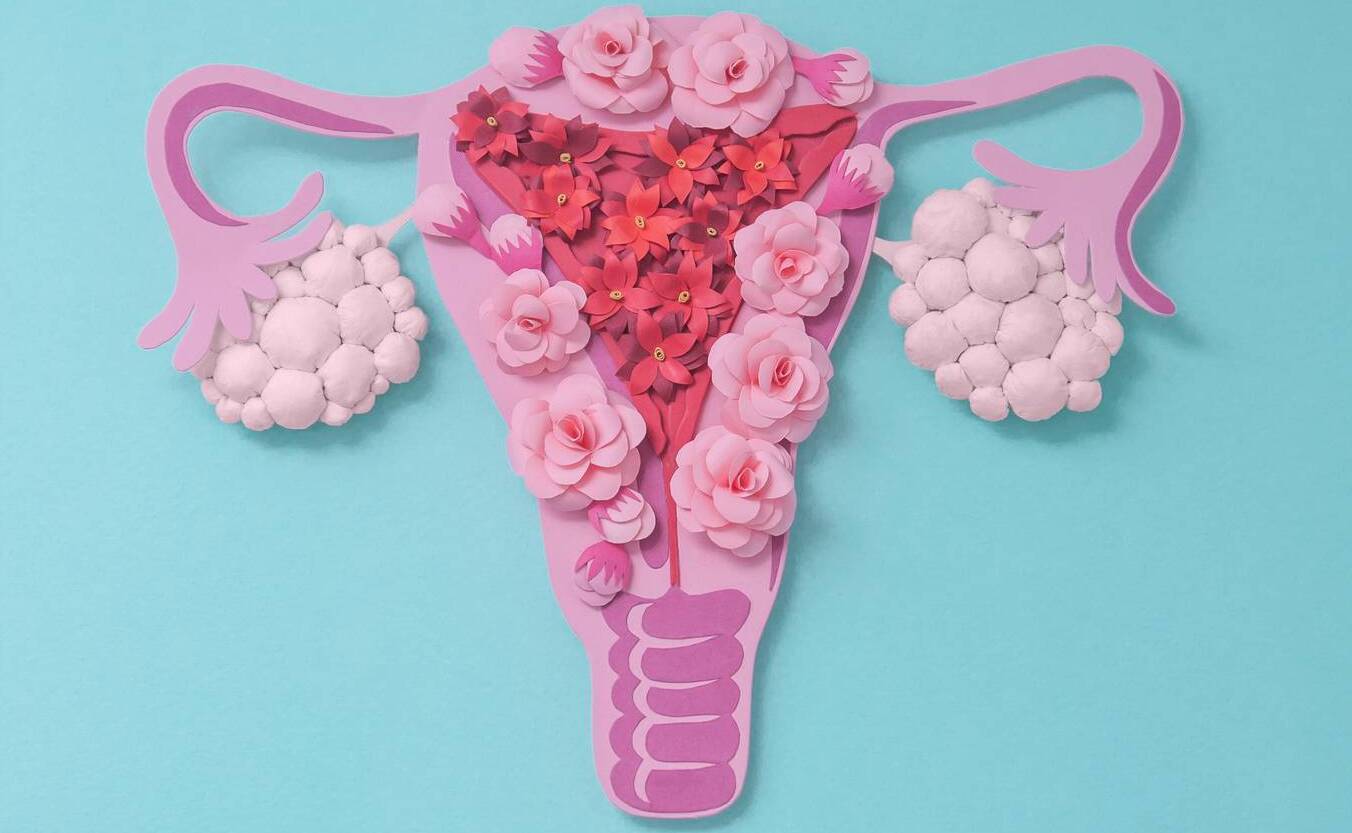
Polycystic ovary syndrome affects one in eight women, and early symptoms include irregular periods, acne and weight gain. Picture: iStock
Polycystic ovary syndrome (PCOS), which affects one in eight women, will now be known as polyendocrine metabolic ovarian syndrome (PMOS) .
The name change more accurately reflects its wider impact on the body. The change, the result of a 14-year consultative process, was announced at the European Congress of Endocrinology in Prague this week and published in .
Misunderstandings about cysts and a focus on the ovaries often lead to late diagnoses of PCOS, say experts.
Here, Dr Lucy Hooper explains the diagnostic process for PCOS and highlights some early, subtle signs.
Irregular periods, excess androgen, and polycystic ovaries are the three main features of PCOS that doctors look out for, says Hooper.
“For PCOS, we look for signs of excess androgen levels, such as testosterone,” she says.
“Secondly, we look for signs that your ovaries are not functioning as usual, and, for women, this is usually a sign that their periods are not regular, or that they are not ovulating regularly.
“Thirdly, we look for polycystic ovaries, which is something that you see on an ultrasound.
“It’s when you have lots of tiny, fluid-filled follicles on the ovaries that look like a string of pearls.”
Symptoms of PCOS usually become apparent during your late teens or early 20s.
“In the first one to two years after your period starts, it’s very common for them to be irregular, but, after that, they should start to settle down to a regular pattern,” says Hooper.
“If it’s less than 21 days or over 45 days in a cycle length (from day one of the period to day one of the next period) on a regular basis, that is something worth looking into.
“Having maybe one month where you have a really short or really long cycle is not uncommon, especially if you’re ill or stressed, but if it’s a regular pattern, then that’s worth reviewing.”
“Excess testosterone levels can cause symptoms for women, and one of the most common is acne and trouble with their skin,” says Hooper.
“Sometimes, this is dismissed as normal, especially in teenagers, but there might be an underlying hormone issue which is causing it.”
Although many young women often don’t get tested for hormone issues until their acne is advanced, Hooper recommends seeking tests sooner rather than later.
“Rather than going through lots of different antibiotics for acne or different skin creams, ideally you want to know if you have any hormonal abnormalities sooner to help get you the right treatment quicker,” says Hooper.
“If it’s being caused by underlying biology and is part of PCOS, then something like an oral contraceptive pill can be really helpful for lots of people’s skin issues.”
Excessive hair growth, usually on the face, chest, back, or buttocks, is another common symptom of PCOS, according to the HSE website.
“Excess hair on the skin might also be a sign that there’s an issue with someone’s hormone levels,” says Hooper. ”Sometimes, excess hair is more obvious in particular ethnic groups than others.”
Mood changes are often dismissed as a normal part of being a teenager. However, research shows that hormonal imbalances associated with PCOS can significantly impact emotional wellbeing.
“There has been some really interesting research over the past few years that has looked at depression and mood changes, and some researchers think it may actually be part of the early presentations of PCOS,” says Hooper.
“Therefore, experiencing mood symptoms, especially symptoms that change a lot with your cycle and periods, is something that should be considered as part of a patient’s whole picture.”
Many people with PCOS experience weight problems, such as being overweight, having rapid weight gain, and/or difficulties losing weight.
“There’s a strong link between polycystic ovarian syndrome and being overweight,” says Hooper.
However, she emphasises that people who aren’t overweight can also be affected.
“There’s a misconception that only people who are overweight or obese are affected by PCOS, but there are actually lots of females who are affected that are of a normal weight.”
“There’s also a link between polycystic ovarian syndrome and having insulin resistance,” says Hooper. “One early sign of insulin resistance is acanthosis nigricans, which is when your skin becomes darkened and slightly changes in texture in a skin fold, such your arm pit.
“This is something that can easily be missed or not thought to be related to other symptoms that you have.”


CONNECT WITH US TODAY



Be the first to know the latest news and updates