Natural Health: How can I treat a fungal toenail infection?
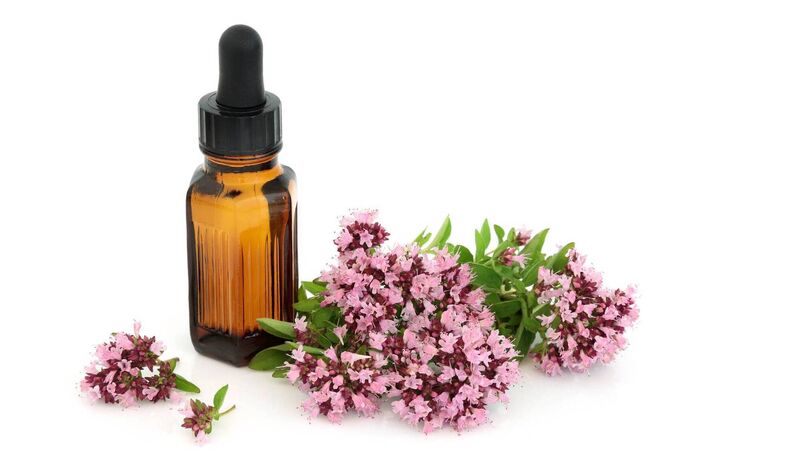
Oregano oil is excellent both as a topical and internal remedy for fungal nails
Fungal toenail infections are incredibly stubborn, but there are a few things that you could try that may help improve their appearance. I’m sure you’ve tried almost everything under the sun to treat your nails, so please forgive me if I suggest remedies you have tried.
The simplest methods include being extra vigilant about keeping the nails and nail beds as clean and dry as possible, whilst avoiding any footwear that creates pressure or friction on the toes and nails.
Allowing your feet and nails to breathe as often as possible is also crucial — this means that braving the sandals is far more helpful than tucking your toes away in closed footwear.
Oregano (oreganum) oil is excellent both as a topical and internal remedy; however, please make sure that you are using the correct oil. What you want to use is the dietary supplement, not oregano essential oil.
Take internally as directed, or pierce the capsules to apply directly to your nails and nail beds. Solgar have wild oregano oil capsules in a soft-gel formulation that not only help support the immune system in managing fungal infections but also provide a range of nutrients that support nail and skin health. These are usually available from health shops for around €23 for 60 soft-gels.
Ozonated olive oil is a therapeutic gel that is often recommended for infections, inflammation, and skin conditions. It acts as a germicide against fungus and bacteria, whilst also repairing damaged tissue, so is ideal for stubborn fungal infections.
When your nails have reached the stage where they are difficult to cut, it is worth considering regular appointments with a podiatrist to have them professionally trimmed and maintained with speciality tools. This can help to keep them in check and prevent further damage to the area.
It’s great to hear that you are keeping on top of many of the symptoms through diet and supplementation — no simple task in itself.
Changes in hair, nails, skin, teeth, and gums are common during perimenopause as levels of progesterone and oestrogen decline, although inflammation is another key factor in hair, lash, and brow thinning.
Nutritional changes you can make to support optimal hair growth include taking a collagen supplement, which will also help with glowing skin and strong, healthy nails.
Marine collagen is the best choice for hair, skin, and nails and is quite easy to add to drinks, soups, and casseroles.
Getting plenty of essential fatty acids in your diet will also help provide the nutrients that your body needs to reduce inflammation and nourish your hair from the roots. Flaxseed, borage, and evening primrose oils are all great choices, as they also help balance your hormones.
One other supplement that is wonderful for hair growth is biotin, one of the B vitamins.
However, it is important that you don’t take this before testing for thyroid issues, as it can interfere with the results. Thyroid imbalance is a common cause of thinning or patchy eyebrow hair.
CONNECT WITH US TODAY



Be the first to know the latest news and updates