Cabbage is versatile and nutritious, it doesn't deserve culinary contempt
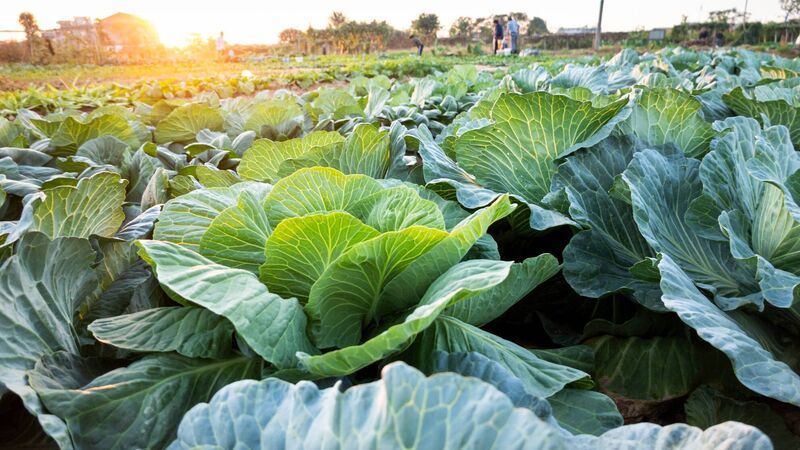
Vogue named 2026 as the year of the cabbage. Picture: iStock
Cabbage is easily available, inexpensive — costing around €1.29 in supermarkets at the moment — exceptionally versatile and very nutritious. According to Bord Bia, it’s low in calories, high in fibre and vitamin C, and a source of vitamin B1 and folate. A reliable crop that’s happy to be grown outdoors, cabbage is essential for traditional Irish dishes like colcannon or bacon and cabbage.
Sometimes, however, familiarity does breed contempt. We find ourselves reaching for the bright colours of imported peppers, tomatoes, aubergine and sweetcorn over the familiar greens of this Irish-grown vegetable when we’re shopping — until something, like that Vogue mention, happens to put cabbage in the spotlight.
For food writer Cherie Denham, who grew up on a farm in Co Tyrone and is now based in England, cabbage is a regular part of her repertoire. “We have always used cabbage,” she explains from her home in Hampshire. “I always have because of my upbringing. It was always there at home, it was affordable, it was always in season. My Granny Marshall especially loved cabbage and,” Denham laughs, “she always drank the cabbage water because she said it was very good for your skin”.

Denham trained and subsequently taught at Leith’s School of Food and Wine, worked as a private chef and ran her own catering company before starting to write cookbooks. She has never lost the flavours and food traditions of her Northern Irish childhood. Her grá for cabbage and other traditional Irish produce is something that she shows to good effect in her recipes for The Irish Kitchen, the second cookbook that she has published with photographer Andrew Montgomery.
Like the first — The Irish Bakery — this is a beautifully considered book, showcasing producers and food with elegiac photos by Montgomery, thoughtful essays from Kitty Corrigan and Denham’s well-tested recipes. From the traditional — boiled bacon and cabbage or boxty with cabbage and bacon — to the elevated, in the form of savoy cabbage with shredded Brussels sprouts and chestnuts, or a crunchy cabbage salad with Cashel Blue cheese and a chilli dressing, Denham’s dishes are enough to make the reader fall in love with cabbage, even if they’ve never been a fan.
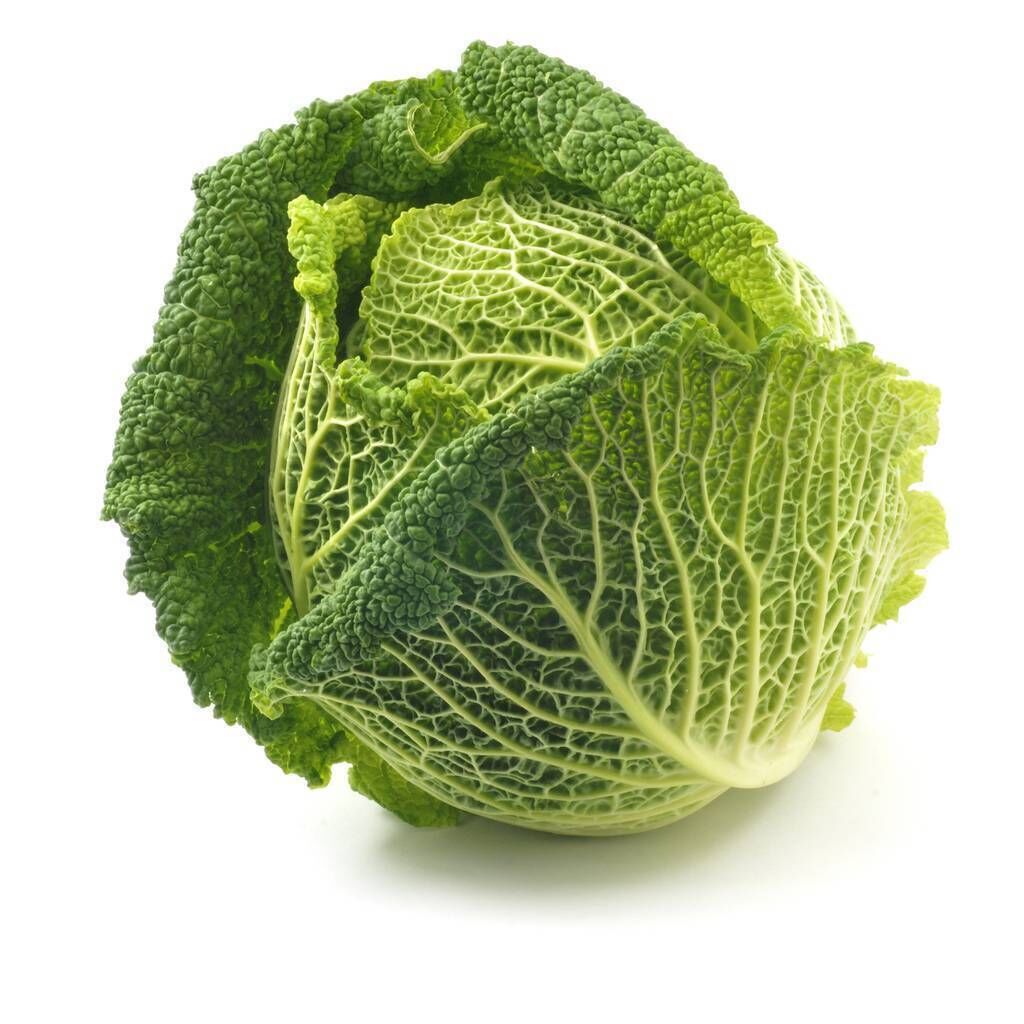
A vegetable may be nutritious, but if you don’t want to eat it because of prior experiences, then it’s not going to be very useful for your diet. Too many of us — raise your hand if your mother overcooked cabbage — were put off by being fed ill-seasoned, sulphurous, soggy leaves.
A short exposure to water is key. “If I boil it,” explains Denham, “it’s only boiled for three minutes, especially if it’s a savoy. Cabbage gets such a bad rap if it has been overcooked, it smells and it’s not nice.”
Along with potatoes and root vegetables, cabbage has always been an Irish comfort food staple, especially in the form of the ubiquitous bacon and cabbage. “I had forgotten all about boiled bacon with cabbage,” Denham admits, but, while researching The Irish Kitchen and with the long-ago memory of a delicious primary school dinner in her head, she came up with a recipe for boiled bacon with buttered cabbage, mashed potatoes and parsley sauce. “I thought, ‘I’ll try it again’ and I loved it. Cooking the cabbage in the water from the bacon is just so good.”
But, as she notes in the recipe, three minutes is all that’s needed.
Staying with classic recipes, while some people swear by kale, Denham is a fan of using cabbage with mashed potato in colcannon. “The lovely thing about using savoy cabbage [is that] it bulks it out, it gives it that lovely colour, and you can taste those lovely bits of iron-rich green.”
“Cabbage can be so versatile,” she adds. “You can roast it, you can eat it raw in salads, you can ferment it, you can char it. It was always in the garden and I also remember Mummy buying carrots and cabbages and parsnips from a horse trailer in Aughnacloy where I grew up. She would have maybe bought two for the week. It was put into soups, it was put into everything. It was cheap, affordable, and it was just always there. People knew that it would last as well. You could chop a bit off it and keep [the rest of the head]. It wouldn’t go off very easily.”
In , Denham has reimagined Irish food for a new audience, one which, in many cases, didn’t grow up with someone at home cooking bacon and cabbage, and the book shows what can be done with simple, nutritious Irish ingredients. “I’m hoping that people are going back to good fundamental food basics, [eating] a lovely vegetable that they know where it’s from and supporting local farmers and greengrocers. I really hope that is going to start happening.”
Maybe Vogue does have a point after all. Bring on the cabbage this year, and every year.
- The Irish Kitchen (€42) is published by Montgomery Press;
- Cherie Denham will be doing a cookery demonstration and speaking at the Ballymaloe Festival of Food, May 15-17;
- Tickets available at www.ballymaloefestivaloffood.com
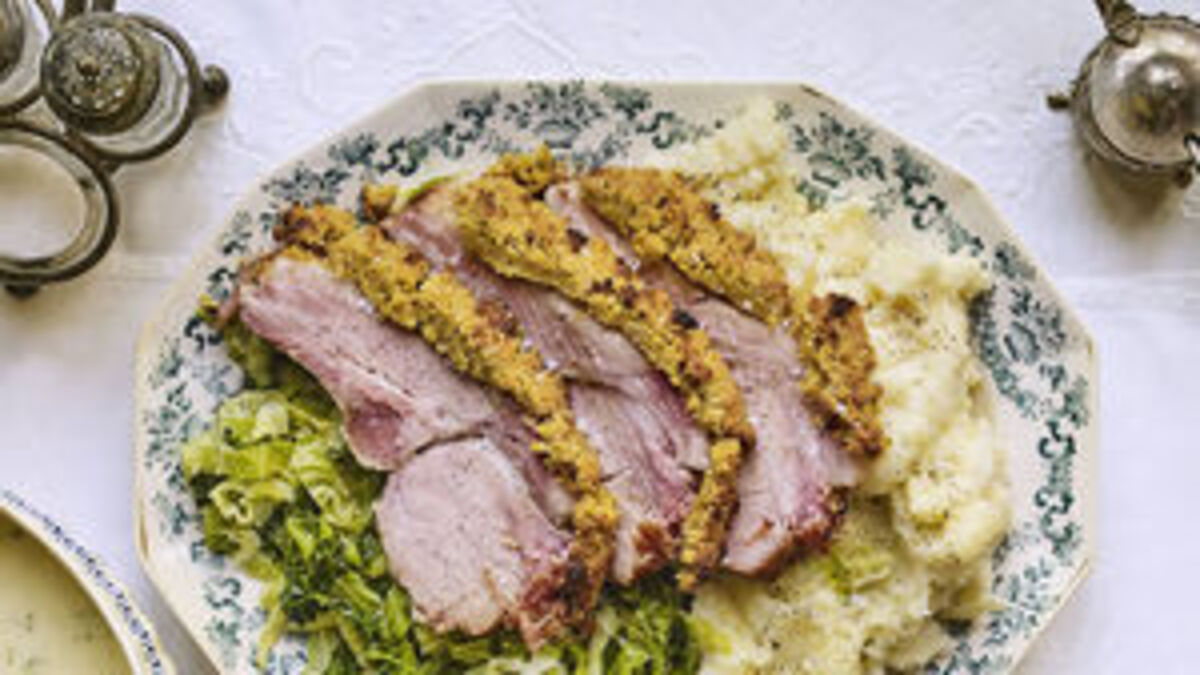
Boiled Bacon with Cabbage and Parsley Sauce
Granny Marshall was a huge fan of this national dish. Such hearty ingredients all brought together and served with boiled potatoes sprinkled with parsley or mashed potatoes with a puddle of butter in the middle. Accompanying was always mashed turnip – whi
Servings
6Preparation Time
60 minsCooking Time
50 minsTotal Time
1 hours 50 minsCourse
MainIngredients
2kg (4 lb 7 oz) loin of bacon, soaked overnight in cold water
1 onion, cut into quarters
1 carrot, roughly chopped
1 celery stalks roughly chopped
10 peppercorns 2 bay leaves
2 sprigs of thyme
2 teaspoons mustard
2 teaspoons soft light brown sugar
Parsley Sauce
55 g (2 oz) butter
55 g (2 oz) plain flour
1 bay leaf
710 ml ( 24 fl oz) reserved cooking liquid
55 ml (2 fl oz) cream
3 tablespoons very finely chopped parsley
1 savoy cabbage, quartered, cored and sliced
Method
Lift the loin of bacon out of the cold water, rinse in fresh water, set aside, rinse out the pan and return the loin to the saucepan.
Cover with cold water and slowly bring to the boil, skim off any impurities as you go.
Once at the boil, strain off the water, cover with fresh water add the onion, carrot, celery, peppercorns, bay leaves and thyme.
Bring to the boil again, turn down the heat and simmer gently for 20 minutes per 450 g (1 lb).
Preheat the oven to 200C.
Remove the joint from the pan, reserve the cooking liquid.
Remove the rind from the joint and score the fat.
Place the joint in a roasting tin and spread the fat with the mustard and sprinkle over the sugar.
Place in the oven and roast for 25 minutes.
Meanwhile make the parsley sauce: Melt the butter in a pan, add the flour and cook out for 2 minutes, stirring constantly.
Stir in the cooking liquid, bring to the boil and reduce to a simmer for 2 minutes, season, add the cream and stir in the parsley.
Set aside and keep warm.
Bring the remaining cooking liquid to the boil and add the cabbage, cook for 3 minutes, then drain and season.
Slice the bacon, lay on some cabbage and drizzle over the parsley sauce.


CONNECT WITH US TODAY



Be the first to know the latest news and updates